The Telangana High Court has reaffirmed that procedural fairness is not a formality but a constitutional imperative when the state proposes policies affecting livelihoods. In a significant ruling, the Court directed the state to engage in a meaningful consultative process with affected stakeholders before finalizing a new Outdoor Advertisement Policy, emphasizing that administrative action must be transparent, reasoned, and inclusive.
Background & Facts
The Dispute
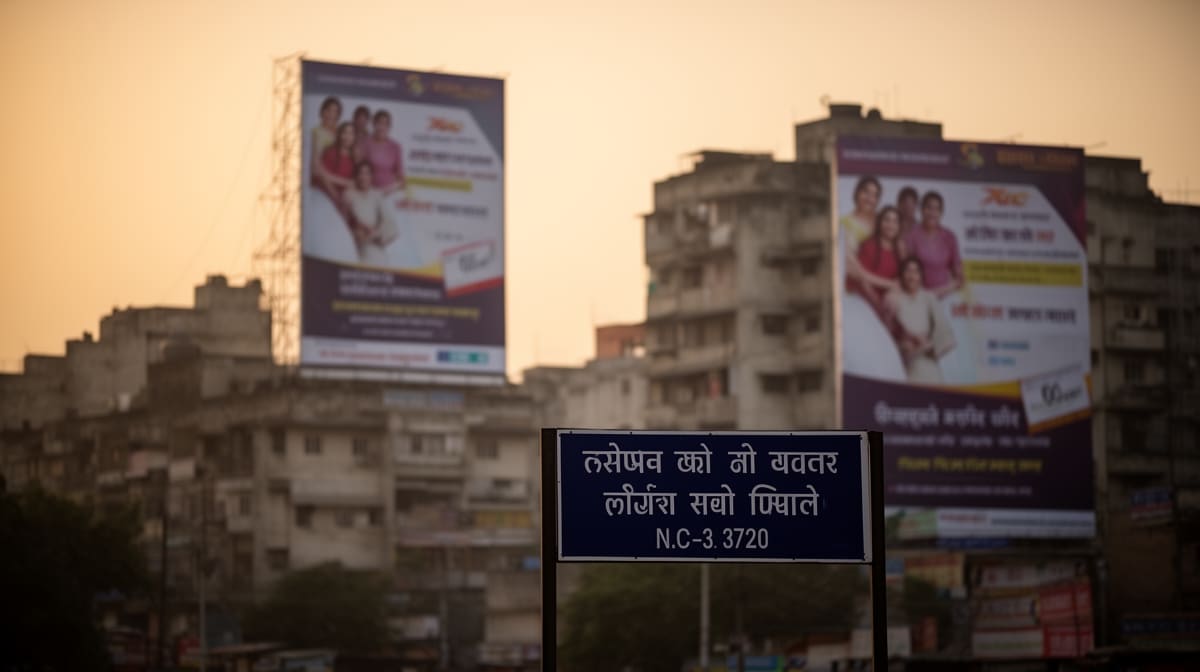
The petitioners, comprising 27 outdoor advertising businesses and the Telangana Outdoor Media Owners Association, challenged the proposed new Outdoor Advertisement Policy by the State of Telangana and the Greater Hyderabad Municipal Corporation. The policy, still in draft form, threatened to impose restrictive zoning, higher fees, and removal of existing hoardings without adequate notice or stakeholder input. The petitioners alleged that the policy was being formulated in secrecy, disregarding their representations submitted on 4 February, 6 February, and 18 February 2026.
Procedural History
- 4 February 2026: Petitioners submitted detailed objections to the proposed policy via formal representations.
- 6 February 2026: Second set of objections filed, highlighting economic impact on small businesses and lack of technical consultation.
- 18 February 2026: Third representation reiterated demand for a public hearing and expert deliberation.
- No response received: Respondents failed to acknowledge, consider, or respond to any of the submissions.
- 20 February 2026: Writ petition filed under Article 226 seeking mandamus to compel consideration of representations.
Relief Sought
The petitioners sought a writ of mandamus directing the respondents to:
- Consider their representations in good faith
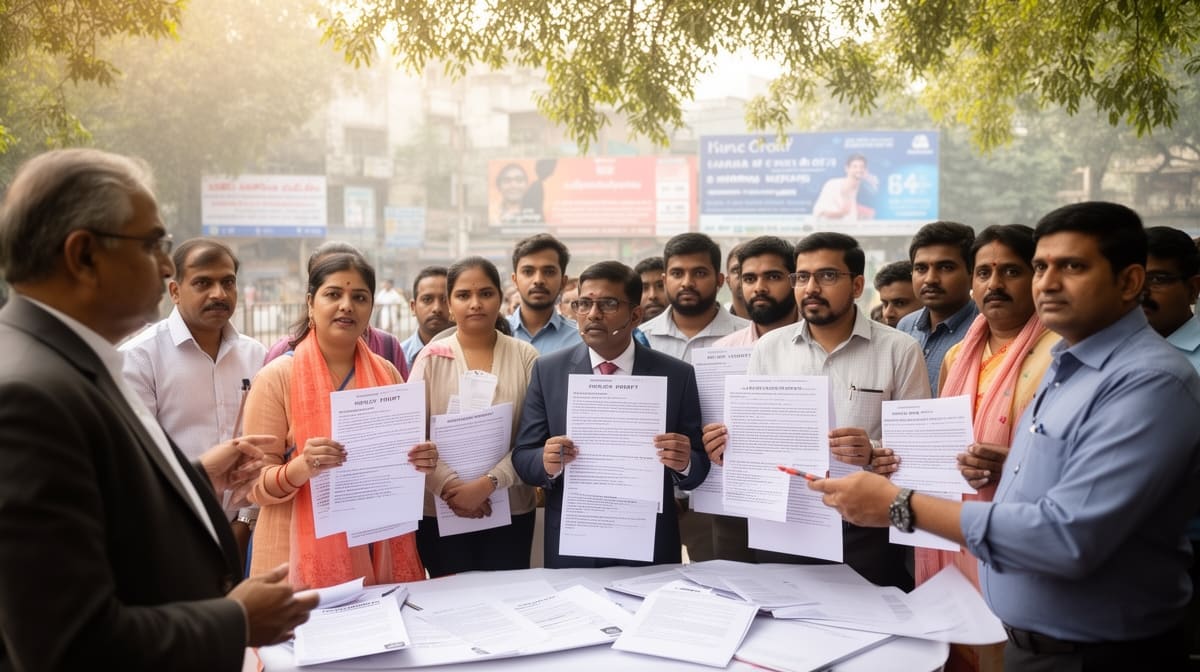
- Conduct a meaningful consultative process
- Afford a fair opportunity for stakeholder inputs before finalizing the policy
- Refrain from notifying the policy until such process is completed
The Legal Issue
The central question was whether the state, while formulating a regulatory policy affecting commercial livelihoods, is constitutionally obligated to afford affected stakeholders a meaningful opportunity to be heard before finalization, even in the absence of a statutory mandate.
Arguments Presented
For the Petitioner
Counsel for the petitioners relied on Maneka Gandhi v. Union of India and State of U.P. v. Krishna Bhatt to argue that natural justice is an inherent component of Article 21 and applies to all administrative actions with significant consequences. They contended that the policy would directly impact the livelihoods of hundreds of small business owners, making consultation not merely desirable but mandatory. The failure to respond to three formal representations amounted to a denial of procedural fairness and amounted to arbitrary state action.
For the Respondent
The Government Pleader for Municipal Administration conceded that representations were received but claimed the policy was still under internal review and no final decision had been taken. No legal argument was advanced to justify the absence of consultation; the state did not dispute the principle of audi alteram partem but argued that the timing of consideration was a matter of administrative convenience.
The Court's Analysis
The Court rejected the notion that consultation is optional in policy-making affecting economic rights. It held that administrative discretion cannot be exercised in a vacuum, especially when livelihoods are at stake. The Court emphasized that natural justice is not confined to adjudicatory proceedings but extends to quasi-legislative and policy-making functions where individuals are directly and adversely affected.
"The right to livelihood, protected under Article 21, cannot be curtailed by executive fiat without affording those affected a reasonable opportunity to be heard. Silence in the face of representations is not an answer; it is a denial of justice."
The Court distinguished State of U.P. v. Krishna Bhatt, where consultation was held to be mandatory even in the absence of statutory requirement, and applied the same logic here. It noted that the petitioners were not challenging the substance of the policy but the process by which it was being formulated. The Court further observed that the state’s failure to even acknowledge the representations for over two weeks demonstrated a disregard for stakeholder rights.
The Court also rejected the argument that internal review justifies non-consultation, stating that procedural compliance is non-negotiable and cannot be deferred indefinitely.
The Verdict
The petitioners succeeded. The Court held that meaningful consultation is a constitutional requirement under Article 21 when policies affect livelihoods. The State of Telangana was directed to consider the petitioners’ representations and afford them a fair opportunity of hearing before finalizing the Outdoor Advertisement Policy.
What This Means For Similar Cases
Consultation Is Not Optional
- Practitioners must now argue that any policy affecting economic rights - even without statutory mandate - requires stakeholder consultation under Article 21
- Silence or delay in responding to representations constitutes a violation of natural justice
- Administrative agencies must document consultation efforts; mere receipt of inputs is insufficient
Policy-Making Must Be Transparent
- Stakeholders must be given adequate time and format to submit inputs (e.g., public hearings, written submissions)
- Draft policies should be published for comment before finalization
- Failure to do so renders the policy vulnerable to judicial review under Article 14 and 21
Remedies Are Available Even Before Final Notification
- Writ petitions under Article 226 are maintainable to prevent procedural violations even if the policy is not yet notified
- Courts will intervene to enforce procedural due process as a substantive right
- Petitioners can seek interim directions to halt implementation pending consultation