The Kerala High Court has clarified that a divorced Muslim woman’s right to Mahar is absolute under statutory law, irrespective of other disputed claims. This judgment reinforces the statutory entitlement to marital gifts and sets a clear boundary between enforceable rights and speculative financial assertions.
Background & Facts
The Dispute
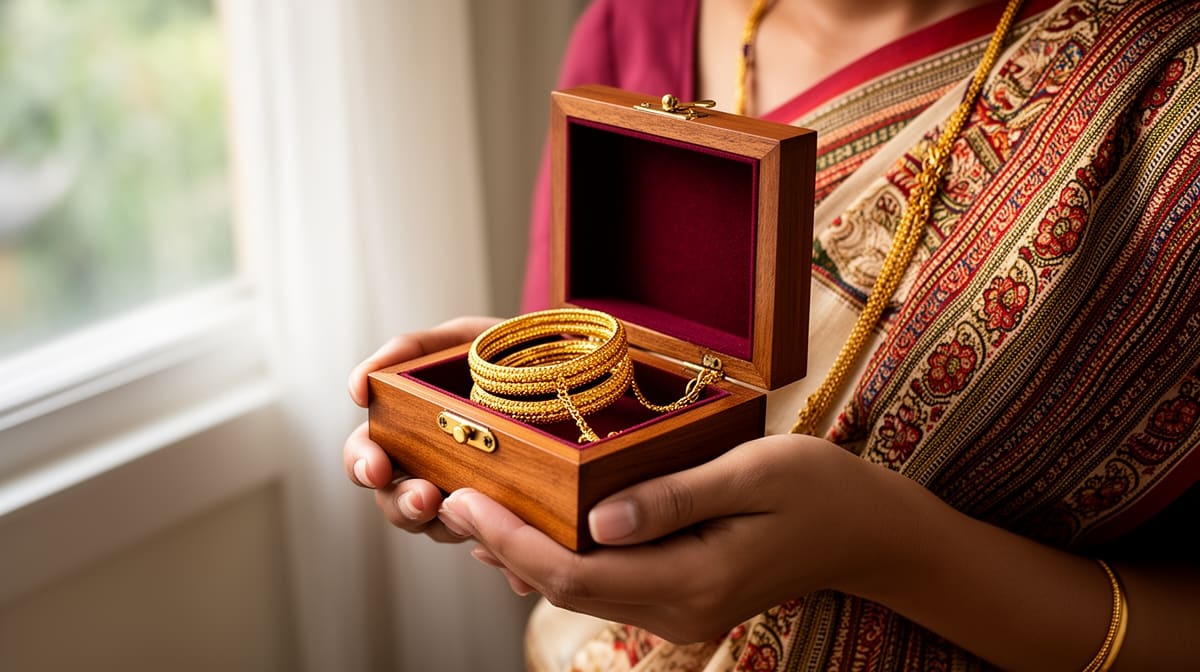
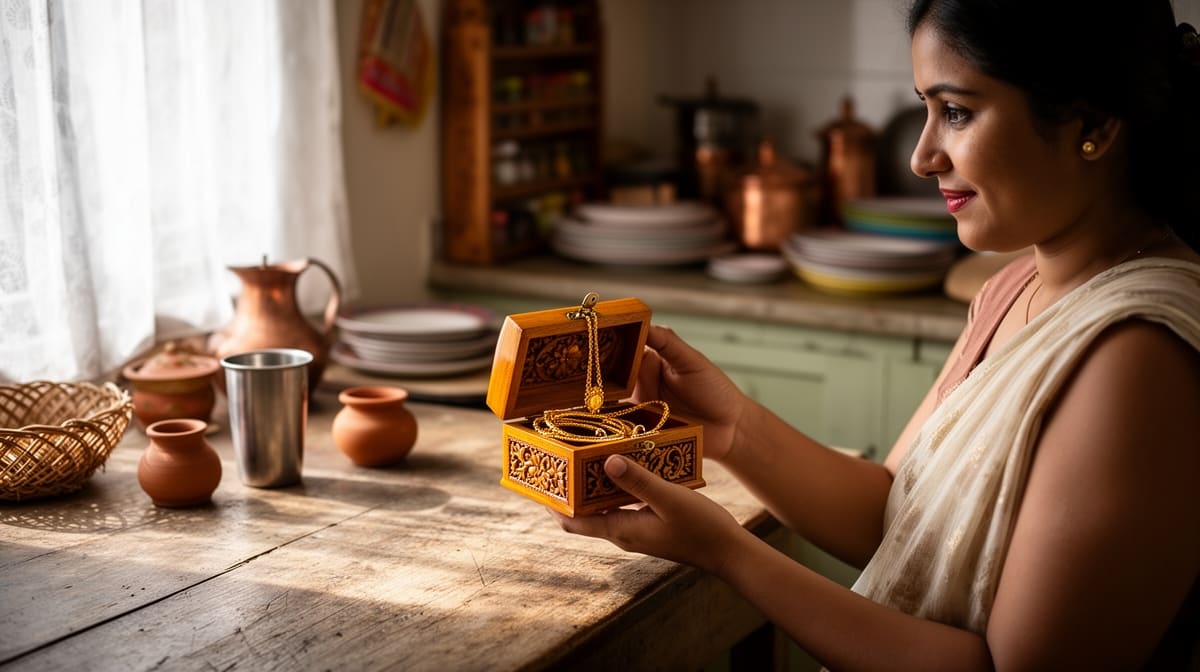
The appellant, Shahina, sought the return of 25 sovereigns of gold ornaments and ₹2,00,000 in cash allegedly given by her parents before marriage. She alleged that the respondent, her husband, misappropriated these assets for business abroad. The marriage was solemnised on 28.09.2012 while the husband was overseas; she joined him at the matrimonial home on 14.09.2013. The marriage ended in divorce.
Procedural History
- 2015: Original petition filed in Family Court, Vadakara, seeking return of gold and money
- 2018: Family Court dismissed the petition, accepting the husband’s version that only 15 sovereigns were given and that 18.5 sovereigns were returned via Mahal Committee mediation
- 2018: Appeal filed before the Kerala High Court
The Parties' Positions
- Appellant (Wife): Claimed 25 sovereigns of gold and ₹2,00,000 were given before marriage; none returned
- Respondent (Husband): Admitted only 15 sovereigns were given, including 2.5 sovereigns as Mahar; claimed 18.5 sovereigns were returned through Mahal Committee mediation; denied receipt of cash
Relief Sought
The appellant sought a decree for return of 25 sovereigns of gold and ₹2,00,000, or their monetary equivalent.
The Legal Issue
The central question was whether Section 3(1) of the Muslim Women (Protection of Rights on Divorce) Act, 1986 entitles a divorced woman to the Mahar even when other claims for dowry or gifts are unproven, and whether the return of gold through community mediation extinguishes this statutory right.
Arguments Presented
For the Appellant
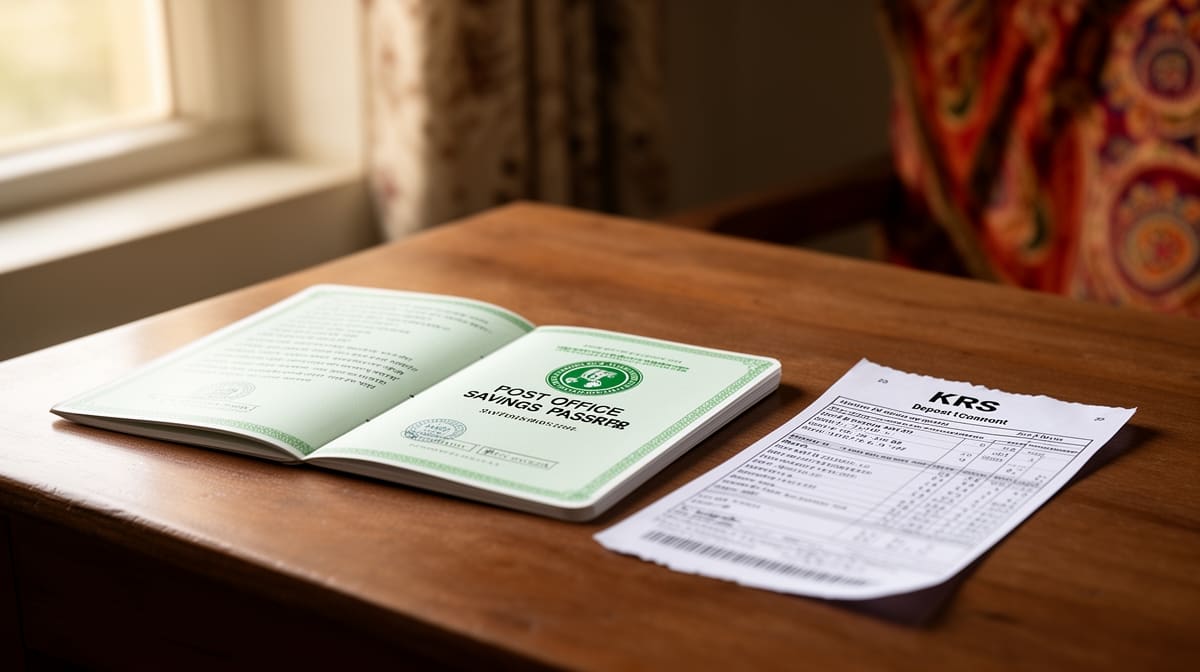
The appellant’s counsel relied on Ext.A1 (sales estimate) to substantiate the claim of 25 sovereigns and argued that the Family Court erred in disregarding the wife’s testimony. They contended that the Mahal Committee’s mediation was informal and could not override statutory rights under the 1986 Act. They further argued that the husband’s admission of 2.5 sovereigns as Mahar made it indisputable that this portion must be returned.
For the Respondent
The respondent’s counsel relied on the testimony of five witnesses from both Mahal Committees to prove that 18.5 sovereigns were returned to the wife’s father. They argued that the wife’s claim of ₹2,00,000 was improbable and unsupported by evidence, especially since her father, the only potential witness, was not examined. They maintained that the Mahar, being part of the 15 sovereigns, was already accounted for and not separately retained.
The Court's Analysis
The Court undertook a careful evaluation of documentary and testimonial evidence. It noted that while the wife’s claim of 25 sovereigns was plausible, the return of 18.5 sovereigns through the Mahal Committee was corroborated by multiple independent witnesses, including the petitioner’s own Mahal Committee Secretary. The Court held that discrepancies in minor details - such as the location of handover - did not invalidate the overall credibility of the mediation outcome.
"No reason is attributed or even suggested as against RW5 as to why he deposed against the interests of the petitioner."
The Court emphasized that Section 3(1) of the Muslim Women Act, 1986, is a statutory guarantee. It explicitly protects the right to Mahar and other property given before, at, or after marriage. The husband admitted that 2.5 sovereigns were given as Mahar. The Court held that this admission, coupled with the statutory mandate, rendered the claim for Mahar enforceable regardless of the outcome of other disputes.
Regarding the ₹2,00,000 claim, the Court applied the doctrine of improbability and non-examination of key witnesses. The claim that the wife handed over such a large sum to the husband two days before the marriage, without documentation or third-party corroboration, was deemed inherently improbable. The failure to examine her father, the only person who could have substantiated the cash claim, was fatal to the assertion.
The Verdict
The appellant won in part. The Court held that Section 3(1) of the Muslim Women (Protection of Rights on Divorce) Act, 1986 entitles a divorced woman to the Mahar, and that the husband must return 2.5 sovereigns of gold given as Mahar. The claim for the remaining gold and cash was dismissed for lack of proof.
What This Means For Similar Cases
Mahar Is Non-Negotiable and Statutorily Protected
- Practitioners must treat Mahar as a statutory right, not a negotiable item subject to mediation
- Even if other gifts are returned or disputed, Mahar remains enforceable under the 1986 Act
- Courts cannot treat Mahar as part of general dowry claims; it must be identified and separated
Non-Examination of Key Witnesses Is Fatal to Financial Claims
- Claims involving large cash transfers require corroboration
- Failure to call the only person who could verify a transaction (e.g., a parent) creates an adverse inference
- Courts will apply the doctrine of improbability to uncorroborated financial assertions
Mediation Does Not Override Statutory Rights
- Community mediation (e.g., Mahal Committees) may resolve factual disputes over gifts
- But it cannot extinguish rights guaranteed by statute, such as Mahar
- Lawyers must argue separately for statutory entitlements even when mediation has occurred