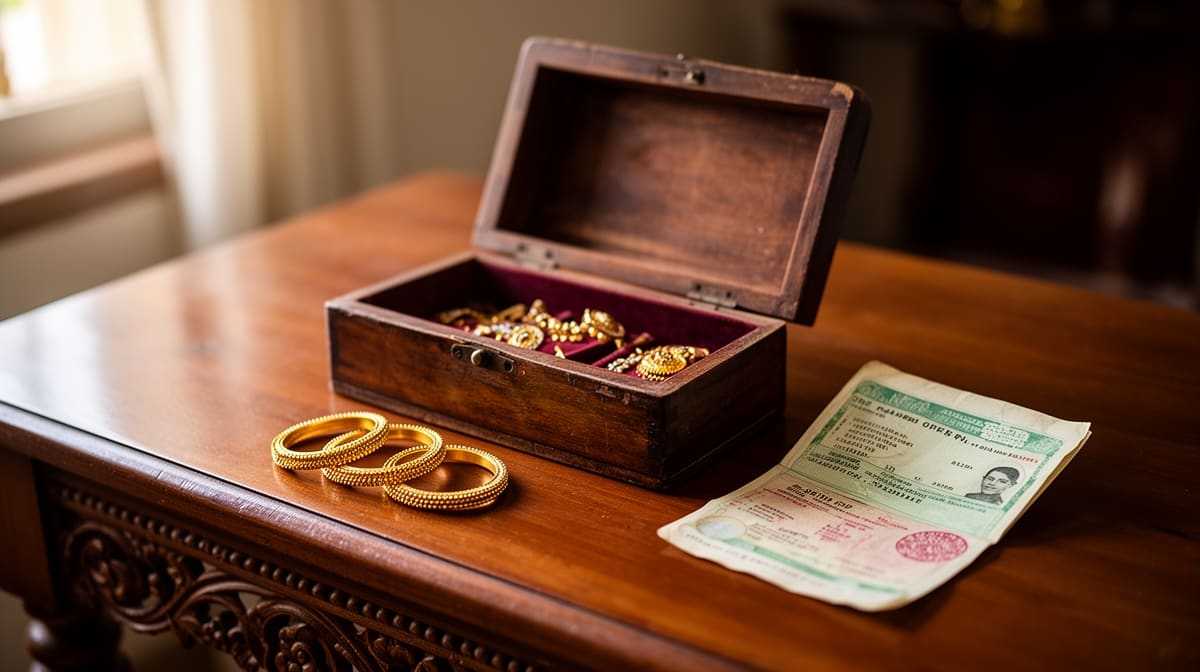
The Kerala High Court has affirmed that gold ornaments and cash provided to a spouse during or before marriage, if subsequently misappropriated, constitute a recoverable claim under civil law. This judgment clarifies that the absence of the term 'entrustment' in pleadings does not defeat a wife’s right to restitution when the evidence establishes delivery and misuse.
Background & Facts
The Dispute
The petitioner, Felja Mary, filed a suit in the Family Court, Ernakulam, seeking recovery of 40 sovereigns of gold ornaments, Rs.1,90,000 in cash, and Rs.40,000 as the value of movable articles from her husband, John Joseph. The marriage was solemnized on 23.05.2016. The dispute arose after the petitioner alleged that the gold and money given to the respondent during the engagement and marriage ceremonies were misused for his personal benefit.
Key Facts
- On 12.05.2016, the petitioner and her mother, along with the respondent and his relatives, visited Bhima Jewellery, Ernakulam, to purchase gold ornaments for the marriage.
- The petitioner’s mother gave Rs.1,50,000 to the respondent on the same day.
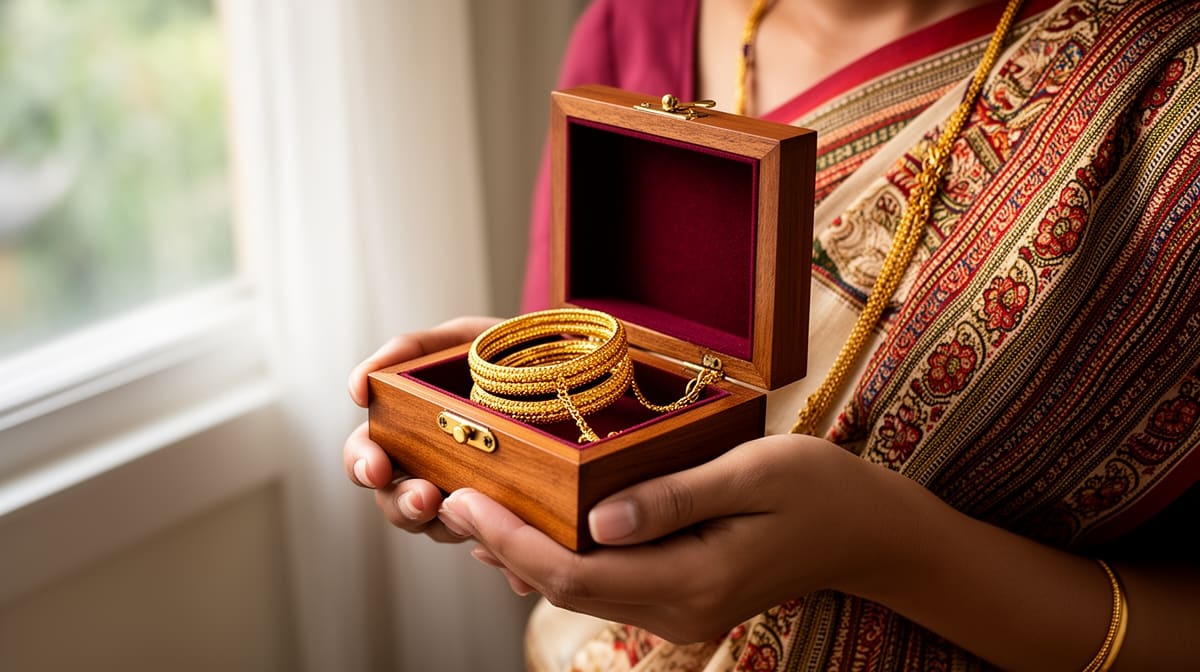
- At the time of marriage on 23.05.2016, the petitioner was given 45 sovereigns of gold ornaments, which she handed over to the respondent.
- The petitioner claimed the respondent misappropriated both the gold and the cash for personal use.
- She also alleged the respondent retained movable articles worth Rs.40,000, which were purchased using funds she provided.
- The petitioner filed a police complaint (Ext.A3) on 08.08.2016 and a complaint before the Legal Services Authority (Ext.A5) on 01.11.2016, both of which referenced domestic issues but omitted specific mention of the gold or cash.
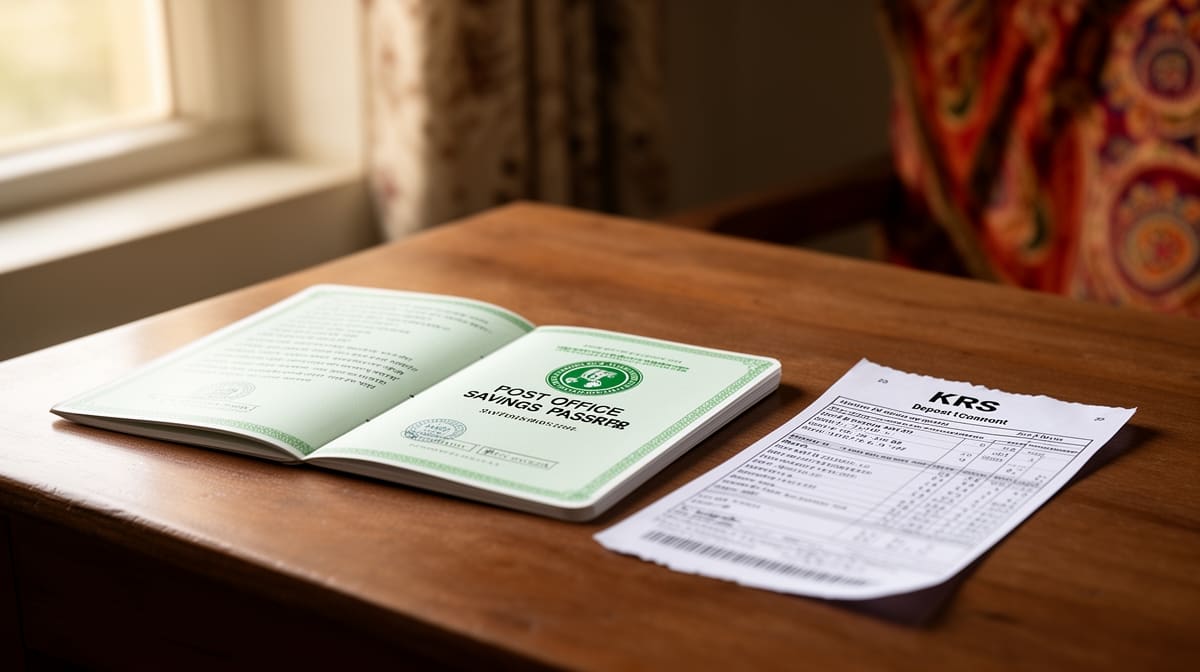
- Bhima Jewellery bills (Exts.A6 - A9) documented purchase of over 30 sovereigns of gold.
- Photographs (Exts.A2, A9) showed the petitioner wearing the ornaments at the wedding.
Procedural History
- 23.05.2016: Marriage solemnized.
- 12.05.2016: Rs.1,50,000 given to respondent at jewellery shop.
- 08.08.2016: Police complaint (Ext.A3) filed by petitioner.
- 01.11.2016: Complaint filed with Legal Services Authority (Ext.A5).
- 2017: Original Petition (OP No.2461 of 2017) filed in Family Court, Ernakulam.
- 30.04.2022: Family Court ordered respondent to return 40 sovereigns of gold, Rs.1,90,000, and Rs.40,000 for movable articles.
- 19.06.2026: Appeal filed by respondent dismissed by Kerala High Court.
Relief Sought
The petitioner sought recovery of:
- 40 sovereigns of gold ornaments
- Rs.1,90,000 in cash
- Rs.40,000 as value of movable articles
The Parties' Positions
Petitioner: Asserted that the gold and cash were given to the respondent during the marriage process and later misused. Relied on oral testimony (PW1, PW2), jewellery bills, and photographs to establish delivery and ownership.
Respondent: Denied receiving any gold or cash. Claimed the visit to Bhima Jewellery was only for purchasing a thali chain. Denied possession of the alleged movable articles and claimed any money received was returned.
The Legal Issue
The central question was whether a wife can recover gold ornaments and cash given to her husband during marriage, even if the petition does not use the word 'entrustment', and whether the omission of such details in prior complaints defeats her claim.
Arguments Presented
For the Appellant/Petitioner
The learned counsel argued that the petitioner’s pleadings, though not using the term 'entrustment', clearly stated that the gold and money were given to the respondent. The evidence - including jewellery bills, photographs, and witness testimony - established delivery. The court must consider the context of marital customs, where brides commonly hand over ornaments to husbands for safekeeping. The absence of mention in prior police or Legal Services Authority complaints was not fatal, as those were filed for different purposes - addressing domestic abuse and reconciliation, not property recovery.
For the Respondent/State
The respondent’s counsel contended that the petitioner failed to plead entrustment explicitly, which is essential for a claim of restitution. He argued that the absence of any reference to the gold or cash in Ext.A3 and Ext.A5 undermined the credibility of the claim. He further denied receiving the Rs.1,50,000 and asserted that any movable articles were purchased and later returned, though no evidence was adduced to substantiate this.
The Court's Analysis
The Court examined the pleadings and evidence holistically. It noted that while the term 'entrustment' was not used, paragraph 3 of the petition explicitly stated: "the petitioner was also given gold ornaments weighing 45 sovereigns... The gold ornaments and the money given to the respondent were misappropriated and misused by the respondent for his own personal needs." The Court held that the use of the word 'given' in the context of a subsisting marriage, coupled with corroborative evidence, was sufficient to establish a claim.
"Merely because the term 'entrustment' is not used in the pleading, it would not affect the entitlement of the petitioner to claim back her gold ornaments, if she had in fact given them to the respondent."
The Court emphasized that the petitioner filed the suit within two years of marriage, making the distinction between 'given' and 'entrusted' legally insignificant. It further noted that it is common practice for brides to hand over ornaments to their husbands upon entering the matrimonial home, and the absence of personal custody does not imply abandonment.
Regarding the Rs.1,50,000, the Court found the testimony of PW1 and PW2 consistent with the respondent’s presence at the jewellery shop on the date of payment. The respondent did not deny being present, only the receipt of funds. The Court found the petitioner’s version more credible.
On the Rs.40,000 for movable articles, the respondent admitted receiving the amount for an almirah but claimed it was returned. The Court held that mere assertion without evidence is insufficient to rebut the claim.
The Court explicitly stated that its decision was not influenced by the respondent’s earlier affidavit or counsel’s prior submission regarding surrender of gold in exchange for divorce.
The Verdict
The appeal was dismissed. The Kerala High Court upheld the Family Court’s order dated 30.04.2022, directing the respondent to return 40 sovereigns of gold ornaments, Rs.1,90,000 in cash, and Rs.40,000 as the value of movable articles. No interest was awarded, and no compliance deadline was specified beyond immediate restitution.
What This Means For Similar Cases
Pleading 'Given' Suffices Without 'Entrustment'
- Practitioners need not use the word 'entrustment' in matrimonial property suits; stating that ornaments or cash were 'given' to the spouse during marriage is legally sufficient if supported by evidence.
- Courts will interpret the context of marital customs and the timing of delivery when assessing claims.
Prior Complaints Do Not Invalidate Subsequent Claims
- Omissions in police complaints or mediation applications do not bar recovery claims if the suit is filed within limitation and supported by credible evidence.
- The purpose of prior complaints (e.g., domestic abuse, reconciliation) is distinct from property recovery and cannot be used to impeach credibility.
Documentary Evidence Trumps Denial
- Jewellery bills, photographs, and witness testimony form a strong evidentiary chain for gold recovery.
- Mere denial by the spouse, without counter-evidence, will not defeat a claim where the petitioner’s version is consistent and corroborated.
Burden of Proof Shifts to the Respondent on Admission
- When a spouse admits receiving funds for a specific purpose (e.g., almirah), the burden shifts to them to prove return or non-use.
- Failure to adduce evidence on such admissions results in adverse inference.