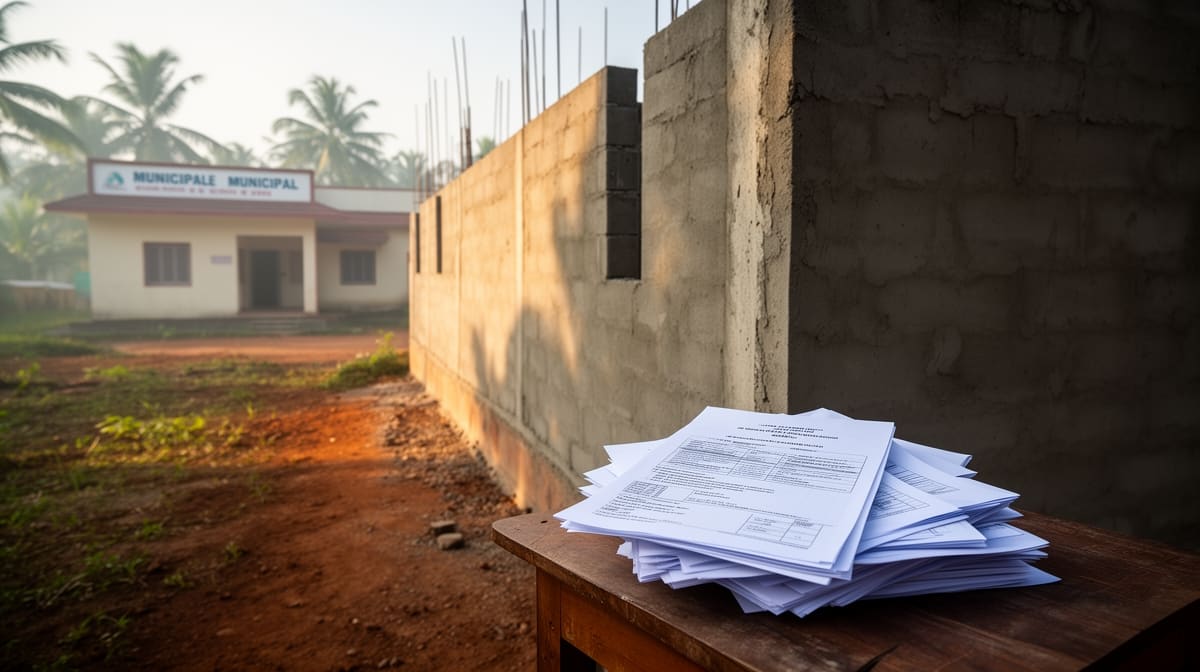
The High Court of Kerala has reaffirmed that municipal authorities cannot enforce tax demands against property owners when the underlying construction lacks a valid building permit. This judgment, grounded in prior precedent, delivers a clear doctrinal check on arbitrary revenue collection by local bodies.
Background & Facts
The Dispute
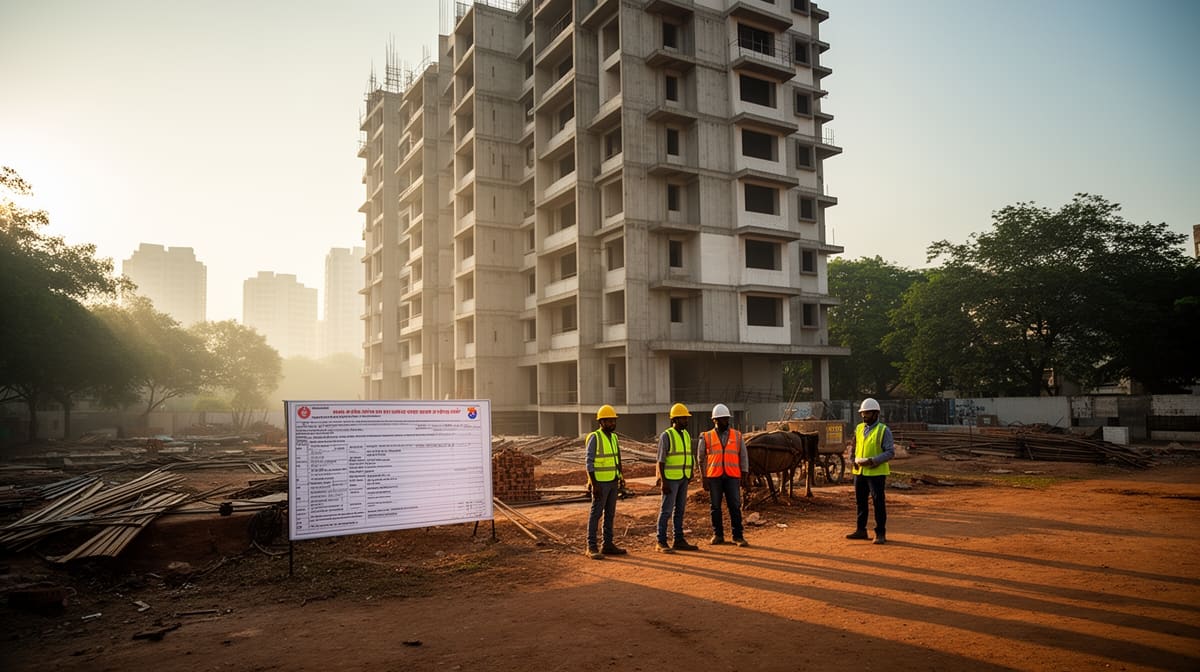
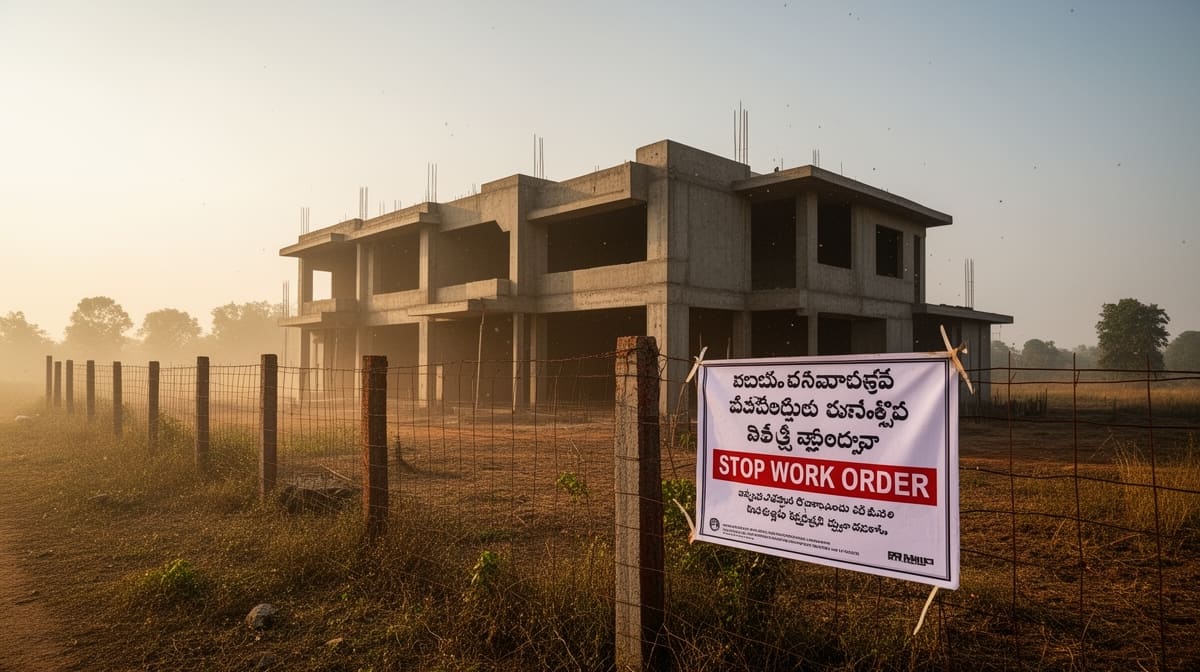
The petitioner, a 67-year-old resident of Chalakkudy, constructed a residential building on his land in 2015. He applied for a building permit from the Chalakkudy Municipality, submitted all required documents, and paid applicable fees. Despite repeated follow-ups, the municipality failed to issue a formal permit. Nevertheless, the petitioner proceeded with construction, relying on interim acknowledgments and oral assurances. Years later, the municipality issued a tax demand notice based on the constructed property, treating it as an unauthorized structure.
Procedural History
The petitioner challenged the tax demand through multiple forums:
- 2020: Filed W.P.(C) No. 27744/2020 seeking interim stay on tax recovery; Court granted interim relief
- 2021: Filed W.P.(C) No. 27722/2021 seeking direction for permit issuance; Court again granted interim protection
- 2022: Revenue Divisional Officer issued Order No. B6/684/2022 upholding tax demand
- 2023: Assistant Executive Engineer issued another demand notice under Section 117 of the Kerala Municipal Corporations Act
- 2023: Filed current writ petition (W.P.(C) No. 40024/2023) challenging the legality of the tax demand
Relief Sought
The petitioner sought quashing of all tax demands, declaration that the construction was not unauthorized due to municipal inaction, and direction to the municipality to issue a building permit retroactively or waive penalties.
The Legal Issue
The central question was whether a municipal authority can lawfully impose property tax on a structure for which no building permit was issued, when the delay in issuance was attributable solely to the municipality’s administrative inaction.
Arguments Presented
For the Petitioner
The petitioner relied on Abad Builders Pvt. Ltd. v. State of Kerala [2025 (1) KLT 310], arguing that where a citizen acts in good faith, submits complete documentation, and the authority unreasonably delays or fails to act, the resulting construction cannot be deemed illegal. He contended that municipal inaction cannot be converted into a ground for punitive taxation. He further cited Article 14 and Article 21 of the Constitution, asserting that arbitrary tax enforcement violates the right to property and personal liberty.
For the Respondent
The State and municipality argued that the petitioner’s construction was unauthorized under Section 117 of the Kerala Municipal Corporations Act, and therefore liable for tax at enhanced rates. They claimed that the absence of a formal permit rendered the structure illegal irrespective of the petitioner’s conduct or the municipality’s delay. They relied on general principles of municipal law that treat unpermitted construction as a statutory violation.
The Court's Analysis
The Court observed that the issue had already been conclusively settled in Abad Builders Pvt. Ltd. v. State of Kerala, where it was held that a citizen cannot be penalized for the failure of the authority to discharge its statutory duty. The Court emphasized that the petitioner had submitted all documents, paid fees, and received acknowledgments - evidence of good faith engagement with the system. The municipality’s failure to issue a permit within a reasonable time, despite having all necessary information, amounted to constructive approval.
"The State cannot remain silent for years, allow construction to proceed on the basis of implied consent, and then later impose punitive tax liabilities on the basis of its own inaction."
The Court rejected the respondent’s argument that the absence of a written permit automatically rendered the structure illegal. It held that procedural compliance is a two-way obligation, and where the authority fails to act, the citizen’s rights must be protected. The Court further noted that the petitioner’s exhibits - including photographs, payment receipts, and prior interim orders - collectively established a pattern of reliance on municipal assurances.
The Verdict
The petitioner won. The Court held that municipal tax demands based on unpermitted construction are invalid when the delay in permit issuance is attributable to the authority’s inaction. The tax notices were quashed, and the municipality was directed to process the petitioner’s pending permit application within 30 days.
What This Means For Similar Cases
Municipal Inaction Cannot Justify Tax Penalties
- Practitioners must now argue that delayed permit issuance by authorities constitutes constructive approval in tax disputes
- Tax notices issued under Section 117 of the Kerala Municipal Corporations Act must be challenged on grounds of procedural arbitrariness
- Evidence of application submission, fee payment, and interim acknowledgments should be systematically documented in all pending cases
Good Faith Construction Is Protected Under Article 14
- Courts will now scrutinize whether the citizen acted in good faith and whether the authority contributed to the procedural lapse
- The burden shifts to the municipality to prove that the applicant concealed material facts or acted fraudulently
- Cases involving long-pending permit applications should be treated as violations of the right to equal protection under Article 14
Retroactive Permit Issuance Is a Viable Remedy
- Courts may direct authorities to issue permits retroactively, with nominal or waived penalties
- This approach avoids unjust enrichment of municipal bodies through punitive taxation
- Practitioners should seek this remedy in all pending writ petitions involving delayed building approvals