The Bombay High Court has clarified that claimants in motor accident cases are entitled to enhanced compensation even when they fail to produce documentary proof of income, provided the principles in National Insurance Co. Ltd. v. Pranay Sethi are applied to ensure just outcomes. This ruling reinforces the judiciary’s commitment to equitable redress for victims of road accidents, particularly in rural and informal sectors.
Background & Facts
The Dispute
The appellant, Anna Kedu Jadhav, was injured in a motor vehicle accident on an unspecified date prior to filing his claim. He filed an application before the Motor Accident Claims Tribunal, Nashik, seeking compensation for permanent disability and loss of future earnings. The Tribunal, in its order dated 2010, awarded a total compensation of Rs. 68,097, comprising Rs. 25,000 for loss of future earnings, Rs. 33,097 for medical expenses, Rs. 5,000 for pain and suffering, and Rs. 5,000 for travelling and diet expenses.
Key Facts
- The claimant was 39 years old at the time of the accident
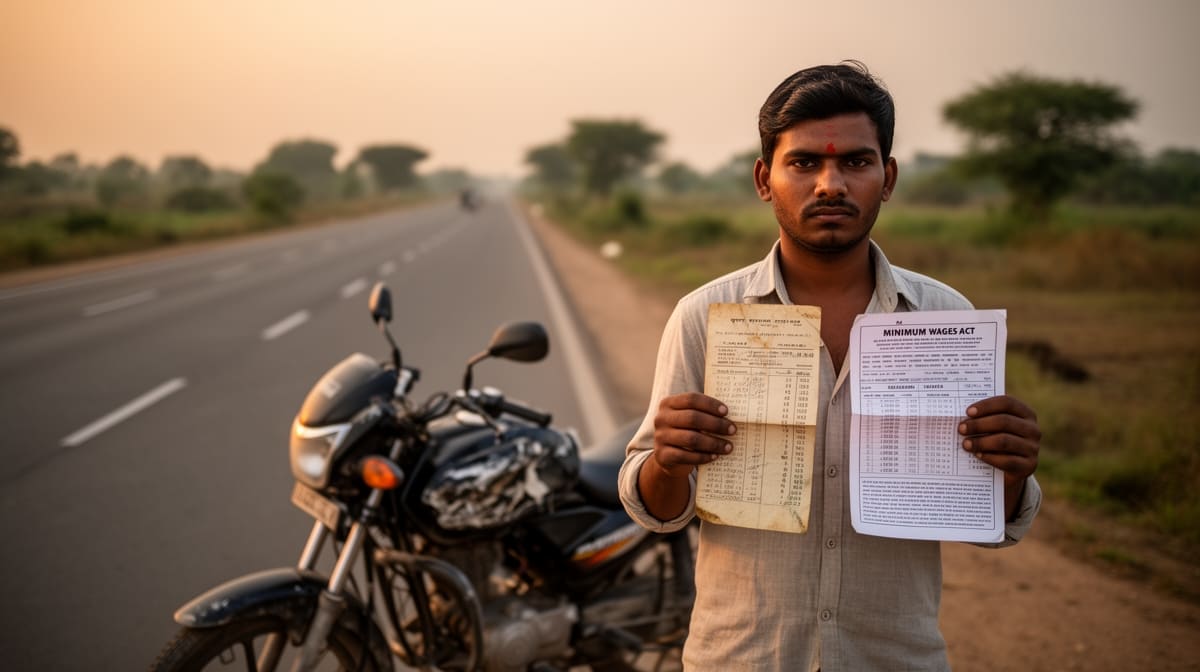
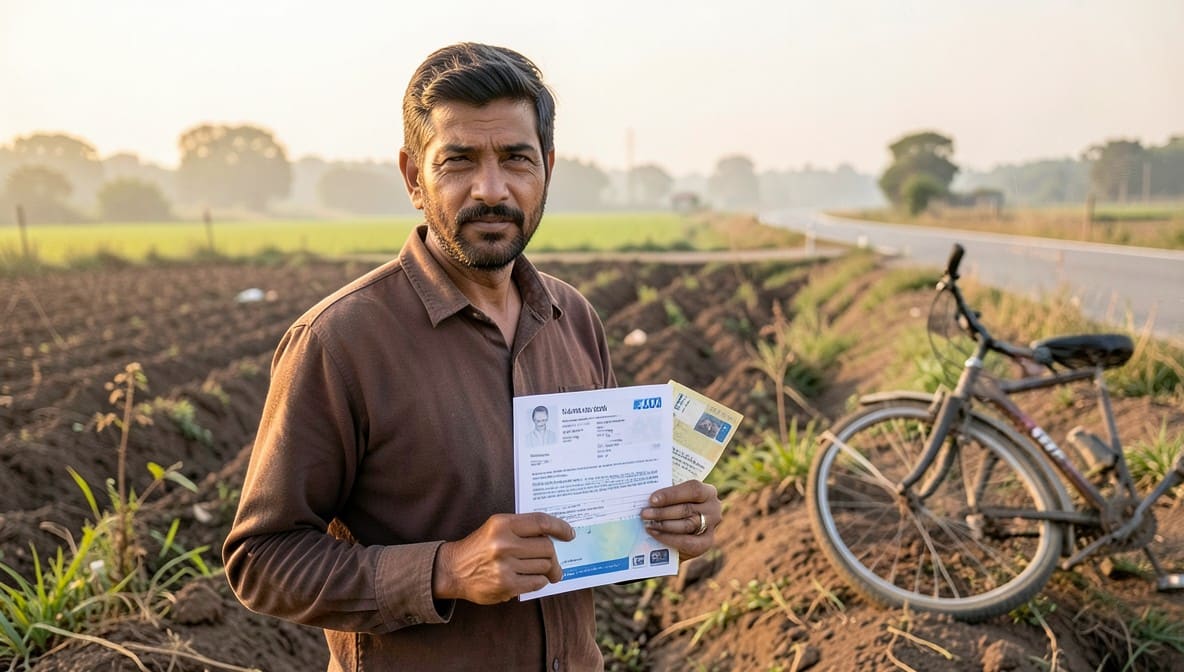
- He was engaged in agricultural work but did not produce any income records, salary slips, or tax documents
- He claimed permanent disability of 30% as per medical reports
- The original claim petition sought compensation up to Rs. 1,00,000
- The insurance company contested the claim on grounds of insufficient income proof and alleged overclaim
- The Tribunal’s award was based on minimal assumptions due to lack of evidence
Procedural History
- Date of Accident: Not specified in judgment, but occurred prior to filing of claim
- Date of Filing: Original claim filed before Motor Accident Claims Tribunal, Nashik (exact date not stated)
- Date of Tribunal Order: 2010
- Date of Appeal Filing: First Appeal No. 2036 of 2011 filed before Bombay High Court
- Date of Hearing: 5 May 2026
- Date of Judgment: 5 May 2026
Relief Sought
The appellant sought enhancement of compensation to reflect actual loss of future earnings, including:
- Revised calculation of future earnings using multiplier and future prospects
- Increased award for pain and suffering, travelling expenses, and future medical costs
- Interest on the enhanced amount from the date of filing the claim
The Parties' Positions
For the Appellant: Counsel argued that despite absence of income proof, the claimant’s occupation as an agricultural worker entitled him to minimum wage-based income estimation under Pranay Sethi. The Tribunal’s award was manifestly inadequate and failed to apply settled principles.
For the Respondent (Insurance Company): Counsel contended that the claimant had not claimed more than Rs. 1,00,000 in the original petition and therefore could not seek enhancement beyond that amount. Further, absence of income proof rendered any calculation speculative.
Relief Sought
The appellant sought enhancement of compensation to Rs. 3,55,017, with interest at 7.5% per annum from the date of filing the claim until realization.
The Legal Issue
Can a claimant in a motor accident case be awarded enhanced compensation based on minimum wage and future prospects under Pranay Sethi, even in the absence of income proof, and does the original claim amount limit the tribunal or court’s power to award higher compensation?
Arguments Presented
For the Appellant
Counsel relied on National Insurance Co. Ltd. v. Pranay Sethi (2017) 16 SCC 680 to argue that in cases where income is unproven, courts may adopt minimum wage as a baseline for calculating future earnings. The claimant, aged 39 with 30% permanent disability, was entitled to a multiplier of 16 and 40% future prospects. The Tribunal’s failure to apply these principles resulted in gross undercompensation. The appellant also argued that the original claim limit of Rs. 1 lakh does not bind the court’s power to enhance compensation when the award is found to be inadequate.
For the Respondent
The insurance company contended that the claimant had not filed any appeal or cross-objection against the Tribunal’s order, and therefore could not seek enhancement. It further argued that without any documentary evidence of income, any calculation of future earnings would be speculative and contrary to the principle of proof. The Rs. 1 lakh claim limit was treated as a ceiling.
The Court's Analysis
The Court rejected the insurance company’s argument that the original claim amount of Rs. 1 lakh acted as a cap on compensation. It held that the claimant’s right to fair compensation is not extinguished by the quantum claimed in the petition, especially when the Tribunal’s award is demonstrably inadequate. The Court emphasized that the purpose of the Motor Vehicles Act is compensatory, not punitive, and courts must ensure justice is done irrespective of procedural limitations.
"Even if in an appeal is filed by the insurance company to this Court and the original claimant had not filed an appeal or challenge the order of the Tribunal, still consistent view is that the claimant would be entitled for enhancement even in the absence of any appeal or cross objection. The facts of the present case are much stronger since the original claimant has challenged the order."
The Court applied the Pranay Sethi framework to calculate future earnings. It adopted the minimum wage of Rs. 3,000 per month as a reasonable proxy for an agricultural worker’s income. Adding 40% for future prospects, the monthly income was fixed at Rs. 4,200. Applying a multiplier of 16 (for age 39) and a disability factor of 60%, the future loss of earnings was calculated as Rs. 2,41,920. The Court further enhanced pain and suffering to Rs. 25,000, travelling expenses to Rs. 25,000, and awarded Rs. 15,000 each for future medical expenses and amenities of life, totaling Rs. 3,55,017.
The Court distinguished the present case from those where claimants deliberately underclaim to avoid procedural complications, noting that here the Tribunal’s award was objectively low and failed to apply binding precedent.
The Verdict
The appellant succeeded. The Court enhanced the compensation by Rs. 2,86,920 (Rs. 3,55,017 minus Rs. 68,097 already awarded), directing the insurance company to pay this amount along with interest at 7.5% per annum from the date of filing the claim until realization. The insurance company was directed to deposit the total amount with the Tribunal within 12 weeks, after which the claimant may withdraw the funds.
What This Means For Similar Cases
Minimum Wage Can Substitute for Income Proof
- Practitioners may now confidently argue for minimum wage as a baseline for income estimation in cases involving agricultural workers, daily wage earners, or informal sector employees
- Medical reports establishing disability percentage remain critical for applying the correct multiplier and adjustment factor
- Absence of salary slips, bank statements, or tax returns no longer automatically disqualifies a claimant from fair compensation
Enhancement Is Permissible Without Cross-Objection
- Claimants need not file a cross-objection to seek enhancement if the insurance company appeals or if the Tribunal’s award is manifestly inadequate
- Courts have inherent power to correct injustice under Section 173 of the Motor Vehicles Act, even in the absence of formal challenge by the claimant
- This removes a procedural trap that previously disadvantaged vulnerable claimants
Future Prospects Apply Even to Unskilled Labor
- The 40% future prospects addition is now firmly established as applicable to non-salaried workers, not just professionals
- Courts must consider the nature of occupation and economic context, not just formal documentation
- This aligns with the Supreme Court’s directive in Pranay Sethi to adopt a liberal, victim-centric approach