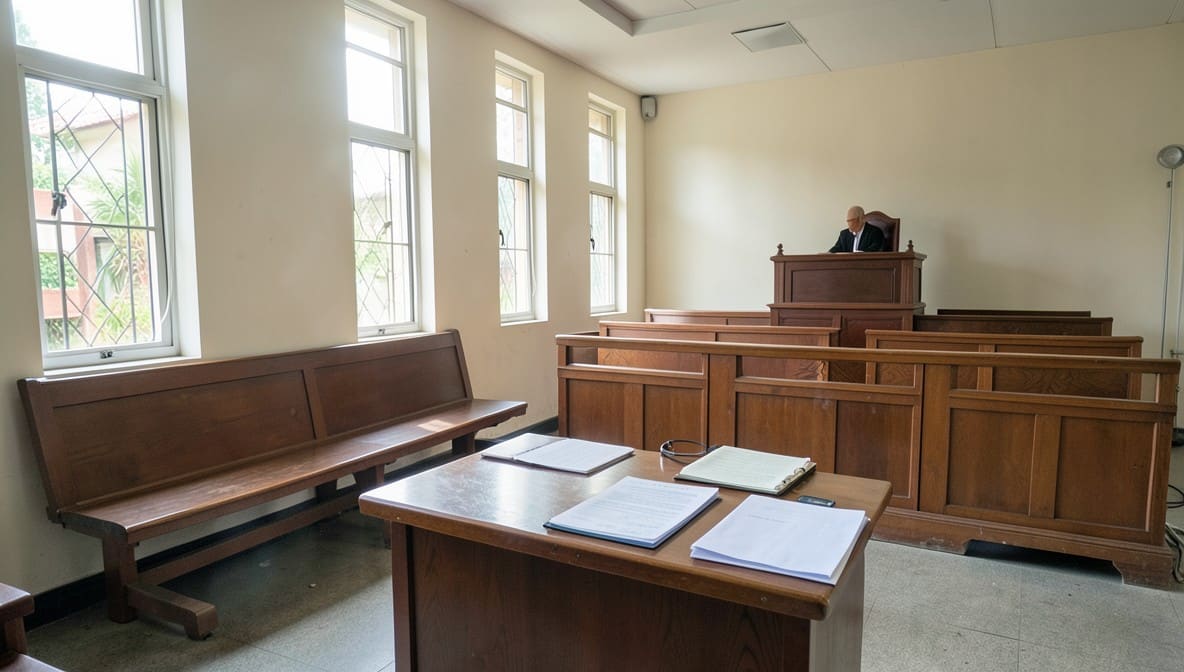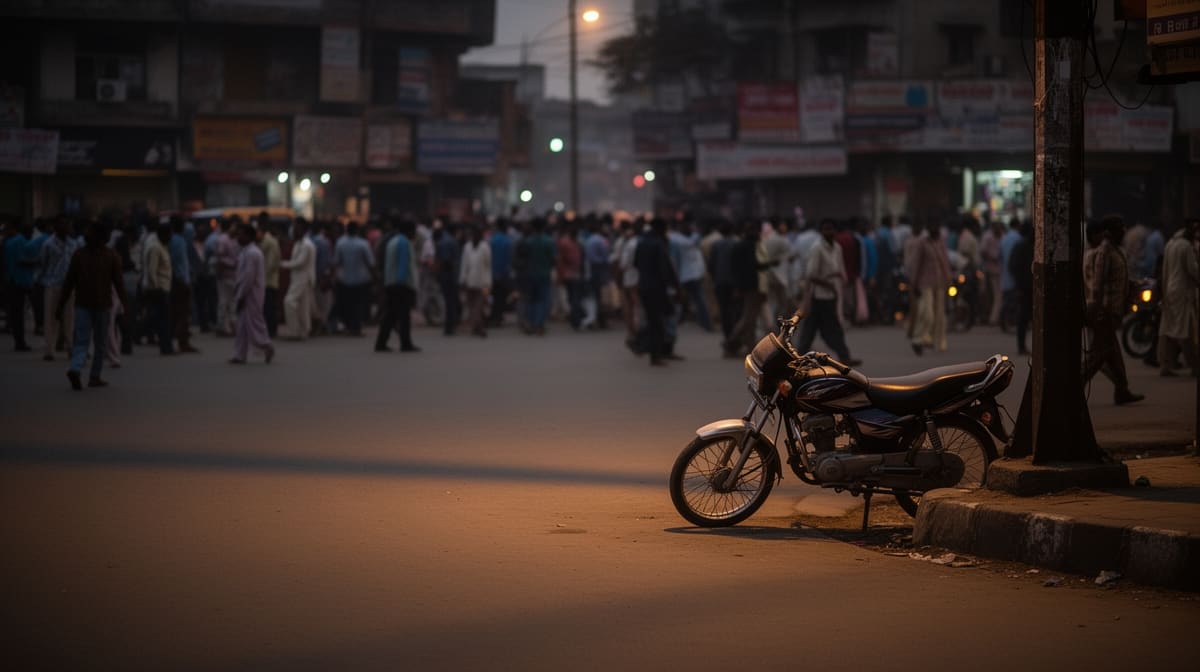
The Punjab and Haryana High Court has clarified that presence at the scene of a violent group clash, without evidence of active participation or use of a weapon, cannot justify denial of bail. This ruling reinforces the principle that bail must be granted unless there is a clear, prima facie case of individual culpability.
Background & Facts
The Dispute
A fatal inter-group clash occurred on 07.07.2024 at Light Chowk, Shri Hargobindpur, resulting in four deaths and multiple injuries. Two rival groups, one led by Angrej Singh and the other by Tarsem Singh, exchanged gunfire. The petitioner, Varinder Singh, was a member of Tarsem Singh’s group and was arrested on 23.12.2024 under multiple charges including murder, unlawful assembly, and arms violations.
Procedural History
- 07.07.2024: Fatal clash occurs; two FIRs registered - DDR No.17 (by Tarsem Singh’s group) and DDR No.20 (cross-FIR by Angrej Singh’s group)
- 10.07.2024: Tarsem Singh’s statement implicates petitioner as being attacked, not as aggressor; Angrej Singh’s statement does not mention petitioner at all
- Post-investigation: Special Investigation Team (SIT) report later names petitioner based on CCTV footage showing him near a firearm
- 23.12.2024: Petitioner arrested and denied bail by trial court
- 02.2026: Petition filed under Section 483 of the Bharatiya Nagarik Suraksha Sanhita, 2023 (BNSS) seeking regular bail
Relief Sought
The petitioner seeks release on regular bail, arguing that he was not named in the original cross-FIR, no weapon was recovered from him, no injury was caused by him, and his presence alone cannot establish criminal intent or participation.
The Legal Issue
The central question was whether mere presence at the scene of group violence, without evidence of active participation or use of a weapon, is sufficient to deny bail under Section 483 of the BNSS.
Arguments Presented
For the Petitioner
Learned counsel argued that the petitioner was not named in the initial cross-FIR (DDR No.20) filed by Angrej Singh’s group. The SIT report, which later implicated him, relied solely on CCTV footage showing him near a firearm, without proving he fired it or caused injury. The prosecution conceded he did not discharge any weapon. Reliance was placed on Arnesh Kumar v. State of Bihar to argue that bail cannot be denied merely on the basis of grave allegations without prima facie evidence of individual culpability.
For the Respondent/State
The Assistant Advocate General contended that the petitioner was part of an unlawful assembly and was seen in CCTV footage taking a firearm from a co-accused, indicating active complicity. The State argued that group violence cases require strict bail scrutiny due to public order concerns and that the petitioner’s presence at the scene, coupled with possession of a weapon, prima facie established involvement.
The Court's Analysis
The Court examined the contradiction between the initial statements and the later SIT report. It noted that while the petitioner’s presence at the scene was established, no allegation in the original FIR or witness statements attributed any specific act to him. The Court emphasized that in cases of group violence, individual roles must be distinctly ascertained.
"The absence of any allegation/material against the petitioner in the DDR showing his participation in the occurrence militates against the denial of bail."
The Court distinguished between being present and being an active participant. It held that bail cannot be denied solely on the basis of proximity to a weapon or group association, especially where the prosecution has not established that the accused fired shots, caused injury, or initiated violence. The Court further observed that the SIT report’s reliance on CCTV footage, without corroboration of use or intent, was insufficient to override the presumption of innocence.
The Court also reiterated that bail is the rule, jail is the exception, and that prolonged pre-trial detention without concrete evidence of individual criminality violates the right to liberty under Article 21.
The Verdict
The petitioner won. The Court held that mere presence at the scene of group violence, without evidence of active participation or use of a weapon, does not justify denial of bail. The petitioner was granted regular bail subject to personal and surety bonds, with the Court clarifying that its observations did not prejudge the merits of the case.
What This Means For Similar Cases
Presence Alone Is Not Enough for Bail Denial
- Practitioners must challenge bail denials where the prosecution relies only on proximity to the scene or group membership
- Courts must distinguish between passive presence and active participation in group violence
- CCTV footage showing access to a weapon, without proof of discharge or injury, is insufficient to establish culpability
Burden of Proof Remains With the Prosecution
- The State must provide specific, credible evidence linking the accused to the commission of the offence
- In cross-FIR cases, omission of the accused in the original complaint weighs heavily in favor of bail
- Absence of recovered weapons or forensic links to the accused must be treated as material for bail consideration
Group Violence Cases Require Individualized Assessment
- Courts cannot apply blanket denial of bail in communal or group clashes
- Each accused’s role must be evaluated independently, even in mass violence
- The triple test for bail - nature of accusation, likelihood of flight, and risk to witnesses - must be applied with precision, not presumption