In a significant ruling on medical reimbursement claims, the Bombay High Court held that duplicate bills can be considered for reimbursement where originals are misplaced, provided there is no allegation of mala fide. The judgment underscores the need for administrative flexibility in genuine cases, while cautioning against setting a precedent for future claims.
Background & Facts
The Dispute
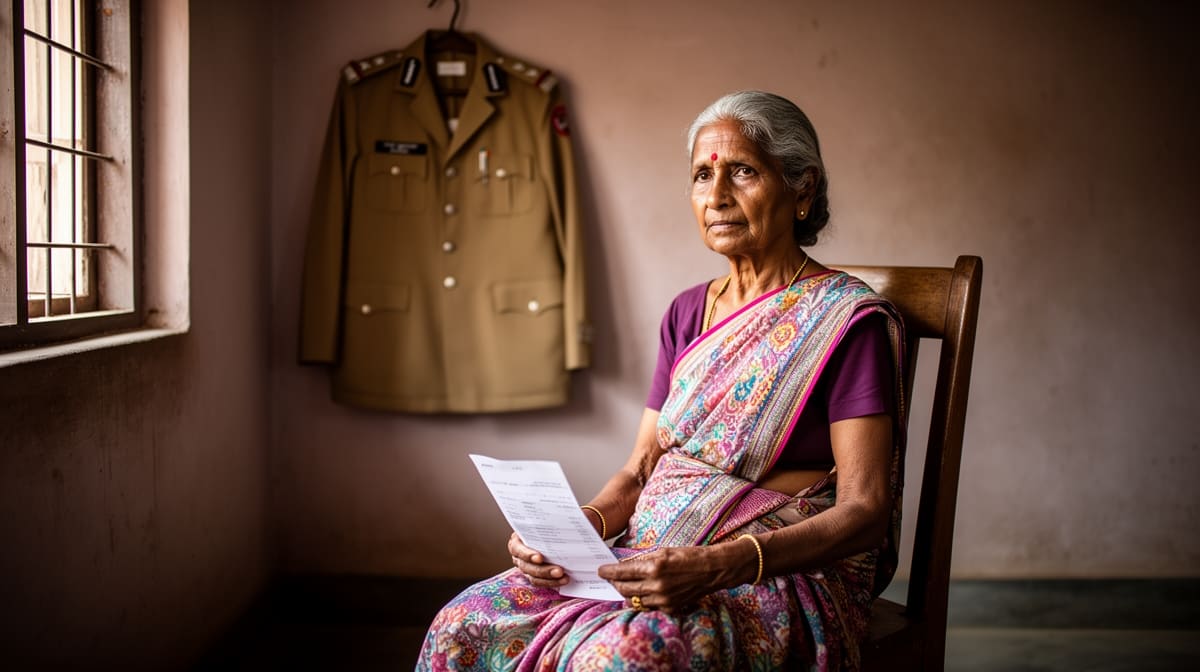
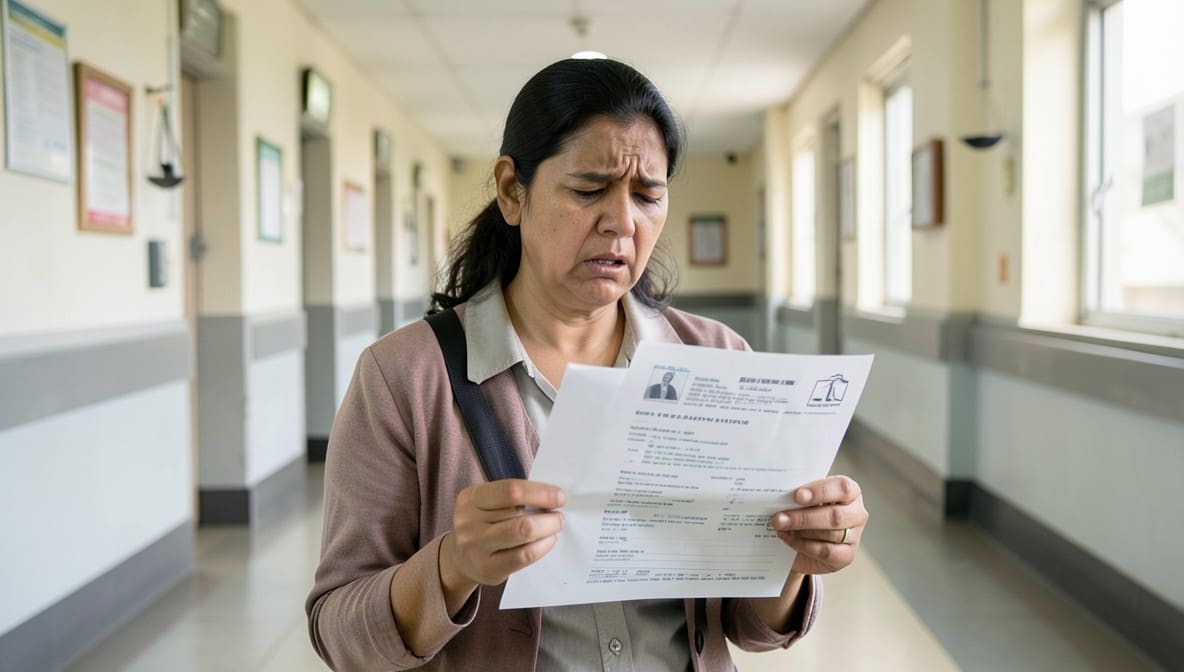
The petitioner, Sau. Mamta w/o Rajendrarao Ghurade (Ku. Mamata S. Sao), sought reimbursement of medical expenses incurred for her husband’s treatment. The claim was rejected by respondent no.1 (State of Maharashtra) via a communication dated 21.03.2018, solely on the ground that the policy does not permit claims on duplicate bills. The petitioner had misplaced the original bills and submitted duplicate ones after lodging a police report on 13.10.2012.
Key Facts
- The petitioner incurred medical expenses for her husband’s treatment
- Original bills were misplaced, and a police report was filed on 13.10.2012
- Duplicate bills were submitted for reimbursement
- The claim was rejected on 21.03.2018 citing the policy’s prohibition on duplicate bills
- No allegation of forgery or mala fide was made against the petitioner
- Documents evidencing the treatment were annexed with the claim
Procedural History
- 21.03.2018: Respondent no.1 rejected the reimbursement claim
- 2023: Petitioner filed Writ Petition No. 6794 of 2023 before the Bombay High Court, Nagpur Bench
- 11.06.2026: The High Court delivered the present judgment
Relief Sought
The petitioner sought:
- Quashing of the communication dated 21.03.2018
- Direction to respondent no.1 to reimburse the medical expenses based on duplicate bills
- Expeditious release of the reimbursement amount
The Legal Issue
The central question was whether medical reimbursement claims can be denied solely on the ground of duplicate bills, absent any allegation of mala fide or forgery, and whether administrative authorities are obligated to conduct additional enquiries to verify the genuineness of such claims.
Arguments Presented
For the Petitioner
- The petitioner argued that the original bills were misplaced, and duplicate bills were the only available evidence of the expenses incurred
- No allegation of forgery or mala fide was made by the respondents
- The respondents failed to conduct any enquiry to verify the genuineness of the claim, despite the availability of alternative methods (e.g., hospital records, payment certificates)
For the Respondent/State
- The learned Assistant Government Pleader (A.G.P.) contended that permitting claims on duplicate bills could lead to malpractices
- The policy explicitly prohibits reimbursement on duplicate bills
The Court's Analysis
The Court observed that while the respondents’ apprehension about malpractices was understandable, it was unjust to deny a genuine claim merely on technical grounds. The Court distinguished between:
- Potential malpractices: The theoretical risk of fraudulent claims based on duplicate bills
- Actual mala fide: The absence of any allegation or evidence suggesting the petitioner’s claim was fraudulent
The Court emphasized that in the absence of allegations of mala fide, the respondents could have verified the genuineness of the claim through additional enquiries, such as:
- Contacting the hospital where the treatment was availed
- Directing the petitioner to obtain a certificate of payment from the hospital or medical shops
"It is, however, one thing to say that permitting such claims on duplicate bills may lead to malpractices, and it is another to say that someone has based claim on the basis of false duplicate bills."
The Court noted that the respondents had not rejected the claim on any substantive ground, such as lack of evidence of treatment or payment. Instead, the rejection was based solely on the technicality of duplicate bills, which the Court found insufficient to deny a genuine claim.
The Verdict
The Bombay High Court allowed the writ petition and issued the following directions:
- The communication dated 21.03.2018 issued by respondent no.1 was quashed and set aside
- Respondent no.1 was directed to reconsider the petitioner’s claim for reimbursement of medical bills
- The reimbursement was to be released expeditiously, provided there was no other legal impediment
- The reimbursement was to be treated as a special case and not as a precedent for future claims
- The petition was disposed of with no order as to costs
What This Means For Similar Cases
Administrative Flexibility in Genuine Cases
- Authorities must conduct additional enquiries where claims appear genuine but are technically deficient (e.g., duplicate bills)
- Denial of claims on technical grounds alone may be overturned if no mala fide is alleged
- Hospitals and medical shops can be approached to verify payments and treatment records
Limits of Policy Prohibitions
- Policy provisions prohibiting duplicate bills must be applied judiciously, especially where originals are misplaced due to genuine reasons
- Malpractices cannot be presumed absent specific allegations or evidence of fraud
- Special cases may be carved out where the claimant demonstrates genuineness through alternative evidence
Precedential Value of Special Cases
- Special case treatment ensures that the judgment does not open floodgates for frivolous claims
- No precedent is set for future claims, protecting the policy’s integrity
- Practitioners can argue for similar flexibility in cases involving genuine hardship or administrative oversights