The Himachal Pradesh High Court has affirmed that when a Labour Court awards reinstatement with continuity of service, the employer is legally bound to regularize the employee under applicable state policy. Denial of regularization on grounds not raised during the original industrial dispute constitutes arbitrariness and violates constitutional guarantees.
Background & Facts
The Dispute
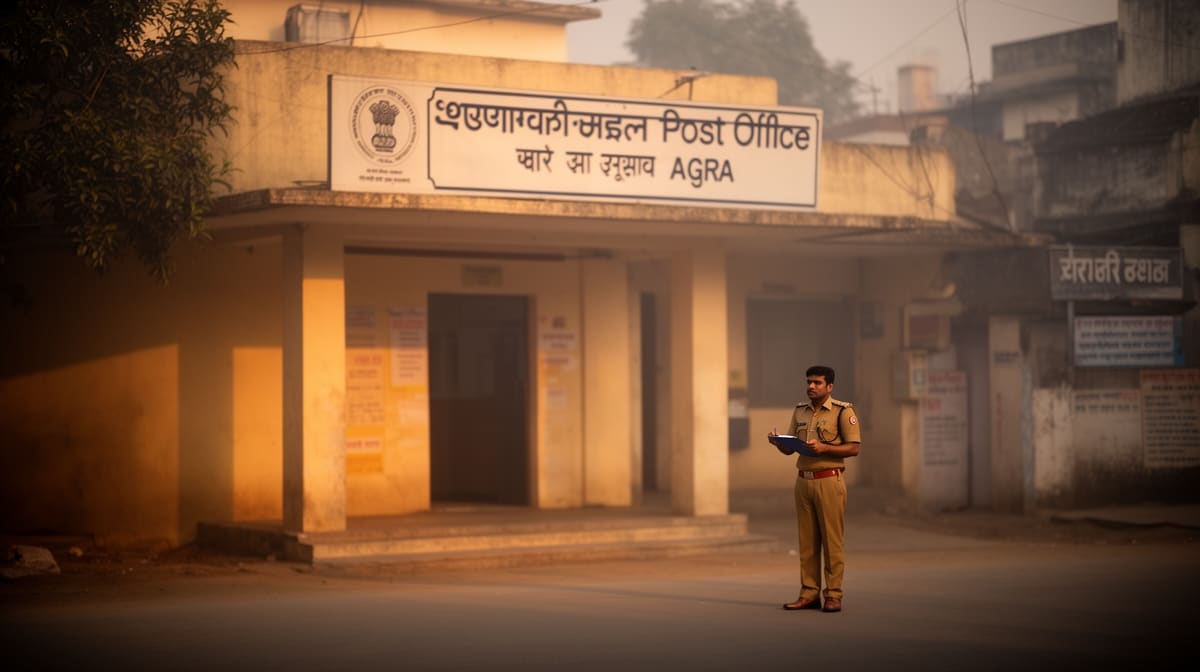
The petitioner, Roshan Lal, was engaged as a daily wage worker on 01.12.2009 by the Block Development Office, Development Block Basantpur, Tehsil Sunni, District Shimla. His duties involved removal of bushes and other casual tasks, funded through the Block’s contingency fund. His services were terminated verbally on 13.10.2010 without any formal order or notice. He raised an industrial dispute under the Industrial Disputes Act, 1947, challenging the legality of his termination.
Key Facts
- The petitioner was engaged on 01.12.2009 and terminated on 13.10.2010
- He was not provided any written appointment letter or service contract
- His wages were paid daily from the Block’s contingency fund, not from MGNREGA allocations
- The termination was challenged before the Labour Court through a reference dated 2010
- The Labour Court’s award was passed on 04.01.2016, not 2026 as erroneously stated in paragraph 10
- The petitioner was reinstated in service following the award but remained on daily wage basis
- No regularization was granted despite repeated recommendations by departmental authorities (Annexure P-5)
- The State later claimed, for the first time in the writ petition, that the petitioner was engaged under MGNREGA
Procedural History
- 01.12.2009: Petitioner engaged as daily wage worker
- 13.10.2010: Services terminated verbally
- 2010: Industrial dispute referred to Labour Court
- 04.01.2016: Labour Court awarded reinstatement with seniority and continuity (Award P-1)
- 2016 - 2022: Petitioner re-engaged but remained on daily wage basis; multiple representations made for regularization
- 2022: Writ Petition (CWP No. 6559 of 2022) filed before Himachal Pradesh High Court
- 12.03.2026: Judgment delivered by Justice Ajay Mohan Goel
The Parties' Positions
Petitioner: Argued that the Labour Court’s award, which found termination illegal and ordered reinstatement with continuity, created a legal right to regularization under the State’s policy for daily wage workers. Denial of regularization despite compliance with the award was arbitrary and discriminatory.
Respondents (State): Contended that the petitioner was engaged under MGNREGA, and therefore, no regularization was permissible under any state policy. This argument was raised for the first time in the written reply to the writ petition.
Relief Sought
The petitioner sought:
- Regularization of services with effect from 01.12.2009
- Consequential benefits including seniority, pay fixation, and arrears of salary
- Interest at 9% per annum on arrears
- Immediate payment of regular Class-IV pay scale
The Legal Issue
Does the grant of reinstatement with continuity of service by a Labour Court under the Industrial Disputes Act, 1947, create a legal entitlement to regularization under applicable state government policy, and can the employer later deny regularization by raising a new ground not pleaded before the Labour Court?
Arguments Presented
For the Petitioner
Counsel relied on the finality of the Labour Court’s award dated 04.01.2016, which held that the termination was illegal and ordered reinstatement with seniority and continuity. He argued that the award, having attained finality, binds the employer and creates a legitimate expectation of regularization under the State’s policy for daily wage workers. He cited Annexure P-5, showing repeated departmental recommendations for regularization, to demonstrate that the denial was arbitrary and violative of Article 14. He emphasized that the MGNREGA claim was never raised before the Labour Court and cannot be introduced at the writ stage.
For the Respondent
The Additional Advocate General contended that the petitioner was engaged under the Mahatma Gandhi National Rural Employment Guarantee Act, 2005, and therefore, no regularization is permissible under any state policy. He argued that MGNREGA workers are temporary, project-based, and ineligible for regularization. He relied on the nature of the work and funding source to support this claim.
The Court's Analysis
The Court observed that the Labour Court’s award was passed after full adjudication of the dispute, and the State did not raise any defence that the petitioner was engaged under MGNREGA during those proceedings. The Labour Court found the termination illegal and ordered reinstatement with continuity, without any qualification or exception. The Court held that the State cannot now introduce a new ground - MGNREGA engagement - that was neither pleaded nor adjudicated before the Labour Court.
"The respondents cannot take a stand other than it took before the learned Labour Court so as to improve their case."
The Court emphasized that the principle of res judicata and the doctrine of approbate and reprobate apply here: a party cannot approbate (accept) the benefit of a final award (reinstatement) and then reprobate (reject) its consequences (regularization). The State’s conduct in reinstating the petitioner but refusing regularization was found to be inconsistent and arbitrary.
The Court further noted that the State’s claim of MGNREGA engagement was unsupported by any documentary evidence, such as muster rolls, fund transfer records, or official notifications under MGNREGA. The work performed - removal of bushes from outside the office - was not the type of work typically undertaken under MGNREGA, which focuses on rural infrastructure and asset creation. The funding source (contingency fund) further undermined the MGNREGA claim.
The Court held that once a Labour Court awards reinstatement with continuity, the employer is obligated to extend regularization under applicable state policy, provided the employee meets the criteria. Denial of such regularization on a belated and unsubstantiated ground violates the principles of natural justice and equality under Article 14 of the Constitution.
The Verdict
The petition was allowed. The State is directed to regularize the services of the petitioner with effect from 01.12.2009, in accordance with the State Government’s policy for regularization of daily wage workers. Consequential benefits, including seniority and pay fixation, shall be granted on a notional basis from the date of regularization, with actual benefits payable from the date of filing of the writ petition (2022). If the State fails to implement the order within three months, the petitioner shall be entitled to simple interest at 6% per annum on all arrears from the date of this judgment.
What This Means For Similar Cases
Regularization Is Not Discretionary After Reinstatement
- Practitioners must argue that a final Labour Court award granting reinstatement with continuity creates a legal right to regularization under applicable state policy
- Denial of regularization on new grounds raised at the writ stage is legally unsustainable
- Departmental recommendations for regularization, if documented, strengthen the claim of legitimate expectation
MGNREGA Claims Must Be Proven at the Initial Stage
- Employers cannot later invoke MGNREGA to deny regularization unless it was pleaded and adjudicated before the Labour Court
- Mere funding from contingency funds or casual nature of work does not equate to MGNREGA engagement
- Documentary proof - muster rolls, fund allocation orders, project IDs - is essential to substantiate MGNREGA claims
Delay in Regularization Triggers Interest Liability
- Courts will impose interest (6% here) on arrears if implementation is delayed beyond a specified timeline
- Practitioners should always seek interest from the date of filing the writ petition, not just from the date of judgment
- The Court’s distinction between notional and actual benefits provides a clear framework for calculating arrears