The Kerala High Court recently addressed a writ petition seeking the release of a septage tanker seized by Kottayam Municipality for alleged illegal transportation of septic waste. The Court, while disposing of the petition, directed the conditional release of the vehicle on a bond of Rs. 5,00,000 with sureties, explicitly prohibiting the insistence on cash deposit or bank guarantee. This judgment underscores the balance between municipal regulatory powers and the rights of vehicle owners under Section 340B of the Kerala Municipal Act, 1994.
Background & Facts
The Dispute
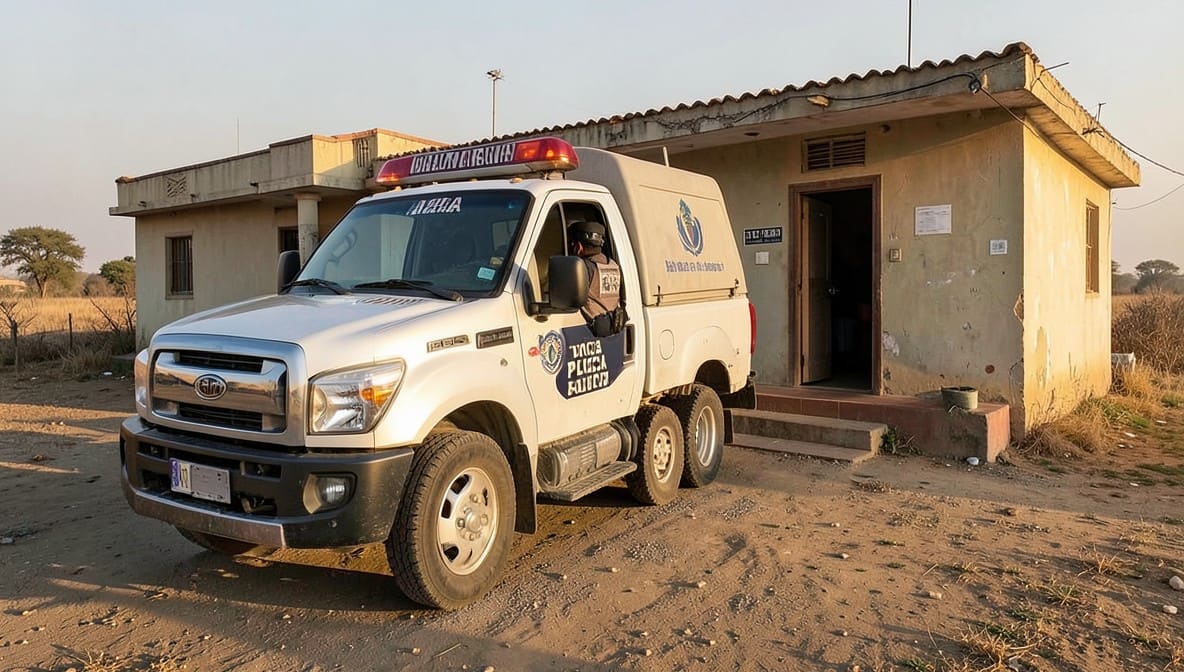
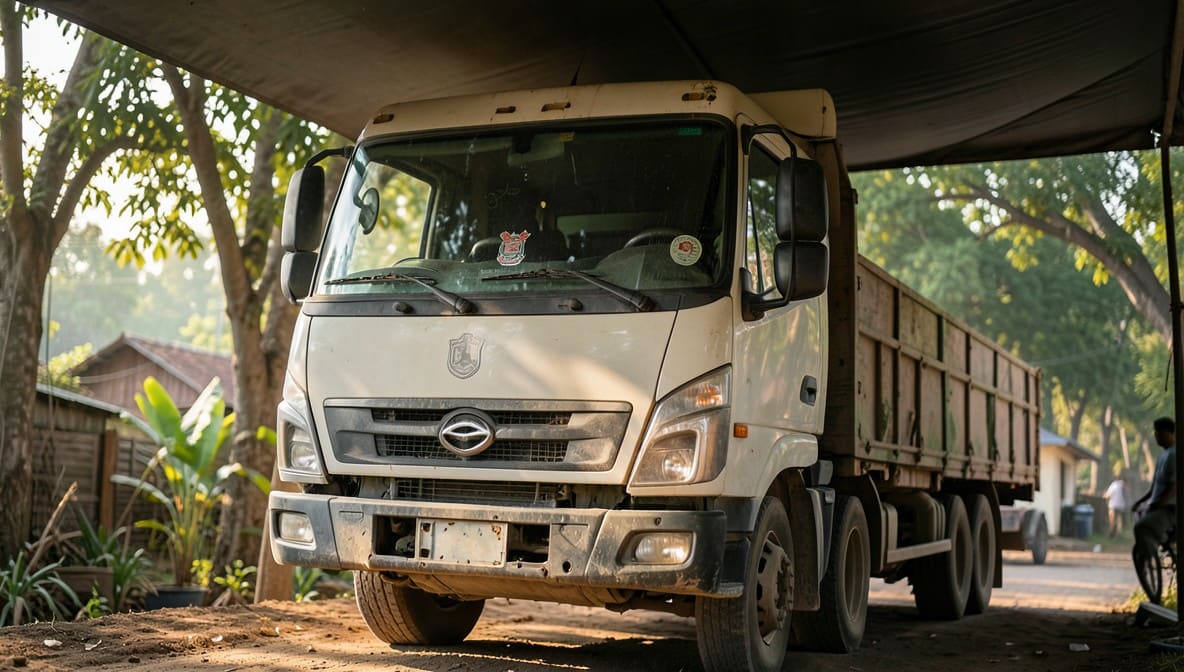
The petitioner, Retheesh, owner of a Tanker Lorry bearing registration number KL-32-J-4827, filed a writ petition under Article 226 of the Constitution of India seeking the release of his vehicle seized by the Junior Health Inspector of Kottayam Municipality. The vehicle was seized on 13.11.2024 at 11:00 PM from the Kottayam KSRTC Bus Stand while allegedly transporting septic waste without proper documentation or route compliance.
Key Facts
- The petitioner claimed to possess a valid permit/license for septage transportation, evidenced by Exhibit P1 (acknowledgment slip dated 03.11.2024) and Exhibit P2 (RC book dated 27.09.2019).
- The Municipality alleged that the documents submitted for transportation were false and that the vehicle was traveling on a route inconsistent with the declared destination (Erumeli KSRTC depot to Cherthala via Kottayam and Changanassery).
- The driver’s admission regarding the route raised suspicions of illegal dumping within municipal limits, constituting a violation of Section 340B of the Kerala Municipal Act, 1994.
- The vehicle was seized and brought to the municipal compound, and a spot inspection report was prepared on 13.11.2024.
- On 15.11.2024, a case was filed before the Kottayam Sub-Divisional Magistrate Court regarding the violation.
Procedural History
- 13.11.2024: Vehicle seized by Kottayam Municipality under Section 340B of the Kerala Municipal Act, 1994.
- 15.11.2024: Case filed before the Kottayam Sub-Divisional Magistrate Court.
- 29.06.2026: Writ petition (WP(C) No. 17645 of 2025) filed before the Kerala High Court seeking release of the vehicle and acknowledgment of septage transportation documents.
Relief Sought
The petitioner sought the following reliefs:
- A writ of mandamus directing the 1st respondent (Kottayam Municipality) to provide necessary particulars regarding the seizure of the vehicle.
- A writ of mandamus directing the respondents to acknowledge the septage transportation documents and release the vehicle.
- Such other reliefs as the Court deems fit for the just disposal of the petition.
The Legal Issue
The central question before the Court was whether the Kerala Municipal Act, 1994 permits the conditional release of a seized vehicle on bond and sureties without insisting on cash deposit or bank guarantee, particularly when confiscation proceedings are pending.
Arguments Presented
For the Petitioner
- The petitioner contended that the vehicle was seized arbitrarily without proper justification, as he possessed valid permits for septage transportation.
- The seizure and continued detention of the vehicle caused undue hardship, as the petitioner was deprived of his livelihood.
- The petitioner relied on the principle that seizure of property must be followed by expeditious proceedings to avoid unjust deprivation of rights.
For the Respondents
- The Standing Counsel for the Municipality argued that the vehicle was seized for violating Section 340B of the Kerala Municipal Act, 1994, which prohibits unauthorized dumping of human waste within municipal limits.
- The documents submitted by the petitioner were allegedly false, and the vehicle’s route suggested illegal dumping.
- The Municipality contended that the seizure was lawful and that confiscation proceedings were pending before the appropriate authority.
The Court's Analysis
The Court observed that the vehicle had been seized on 13.11.2024 and remained in custody for over 19 months without final disposal of the confiscation proceedings. The Court emphasized the principle that prolonged detention of a vehicle without resolution of proceedings is unjust and disproportionate, particularly when the owner’s livelihood is at stake.
The Court relied on the doctrine of proportionality and natural justice, holding that while the Municipality had the power to seize the vehicle under Section 340B, it could not indefinitely retain the vehicle without concluding the confiscation proceedings. The Court noted:
"No purpose will be served by keeping the vehicle in the premises of the respondents. Subject to the final decision in the confiscation proceedings, the vehicle can be released to the petitioner on strict conditions."
The Court further clarified that the release of the vehicle would be subject to the final outcome of the confiscation proceedings, ensuring that the Municipality’s regulatory powers were not undermined. The Court also addressed the financial burden on the petitioner, directing that the respondents shall not insist on bank guarantee or cash deposit and that furnishing of title documents would suffice.
The Verdict
The Kerala High Court disposed of the writ petition with the following directions:
- The Tanker Lorry bearing registration number KL-32-J-4827 shall be released to the petitioner upon execution of a bond for Rs. 5,00,000 with two solvent sureties for the like sum, to the satisfaction of the respondents.
- The respondents shall not insist on bank guarantee or cash deposit, and furnishing of title documents shall be sufficient.
- The petitioner shall not alienate the vehicle until the conclusion of the confiscation proceedings, if any.
- The petitioner shall produce the vehicle as and when required by the confiscation authority.
What This Means For Similar Cases
Conditional Release on Bond: A Balanced Approach
This judgment establishes that municipal authorities cannot indefinitely detain seized vehicles without concluding confiscation proceedings. Practitioners can now argue for the conditional release of vehicles on bond and sureties, particularly when:
- The vehicle is essential for the owner’s livelihood.
- Confiscation proceedings are pending for an unreasonable duration.
- The insistence on cash deposit or bank guarantee imposes undue financial hardship.
Proportionality in Seizure and Detention
- The Court’s emphasis on proportionality reinforces that seizure powers under statutes like the Kerala Municipal Act, 1994 must be exercised judiciously and without causing undue hardship.
- Municipalities and regulatory authorities must ensure that confiscation proceedings are expedited to avoid prolonged deprivation of property rights.
Documentation and Route Compliance: Key Evidentiary Factors
- The judgment highlights the importance of proper documentation (permits, acknowledgment slips) and route compliance in septage transportation cases.
- Practitioners should advise clients to:
- Maintain valid permits and acknowledgment slips for septage transportation.
- Ensure route adherence to avoid allegations of illegal dumping.
- Challenge seizures where authorities fail to provide timely particulars or procedural fairness.
The judgment serves as a precedent for balancing regulatory enforcement with the rights of vehicle owners, particularly in cases involving livelihood-dependent assets.