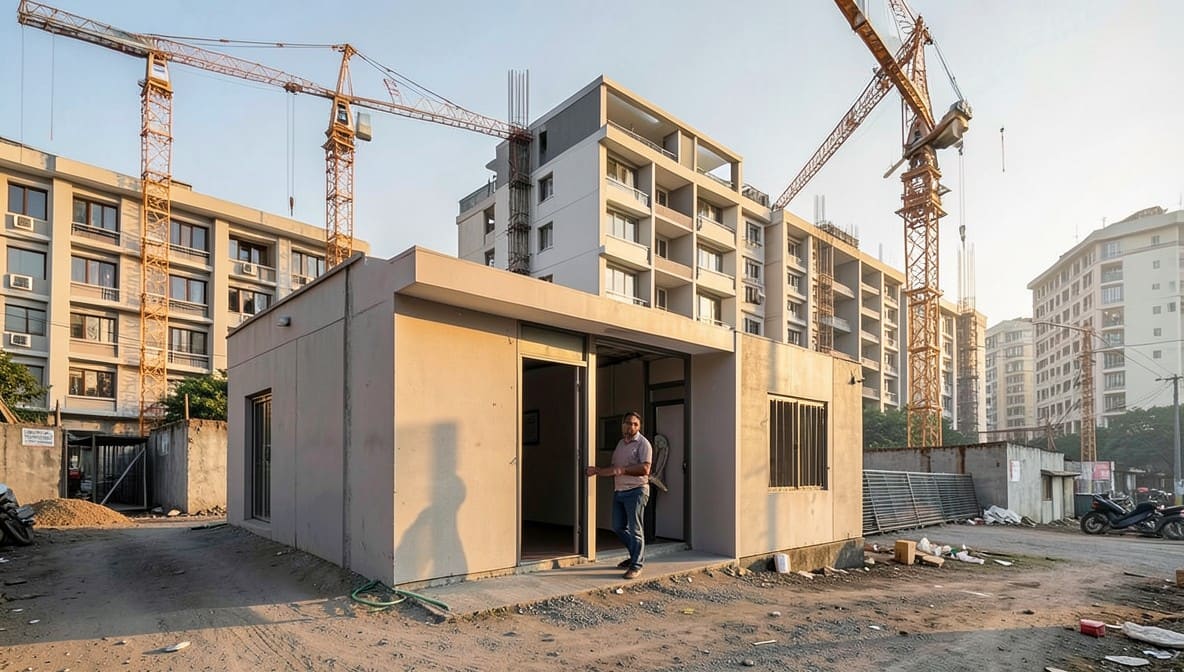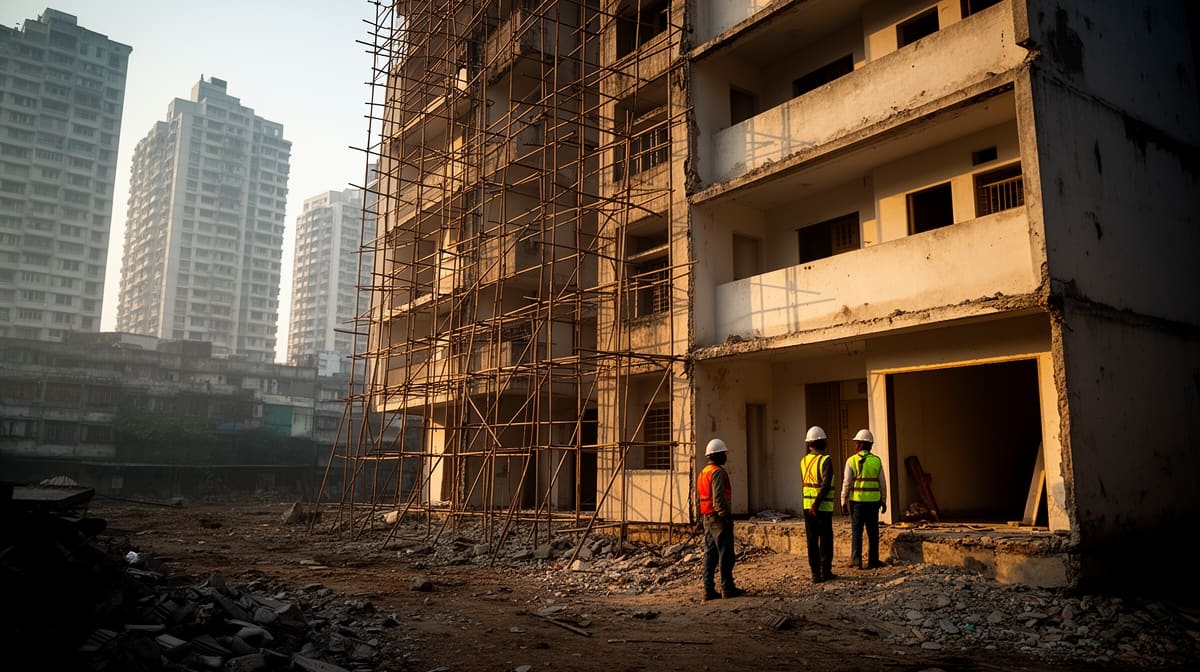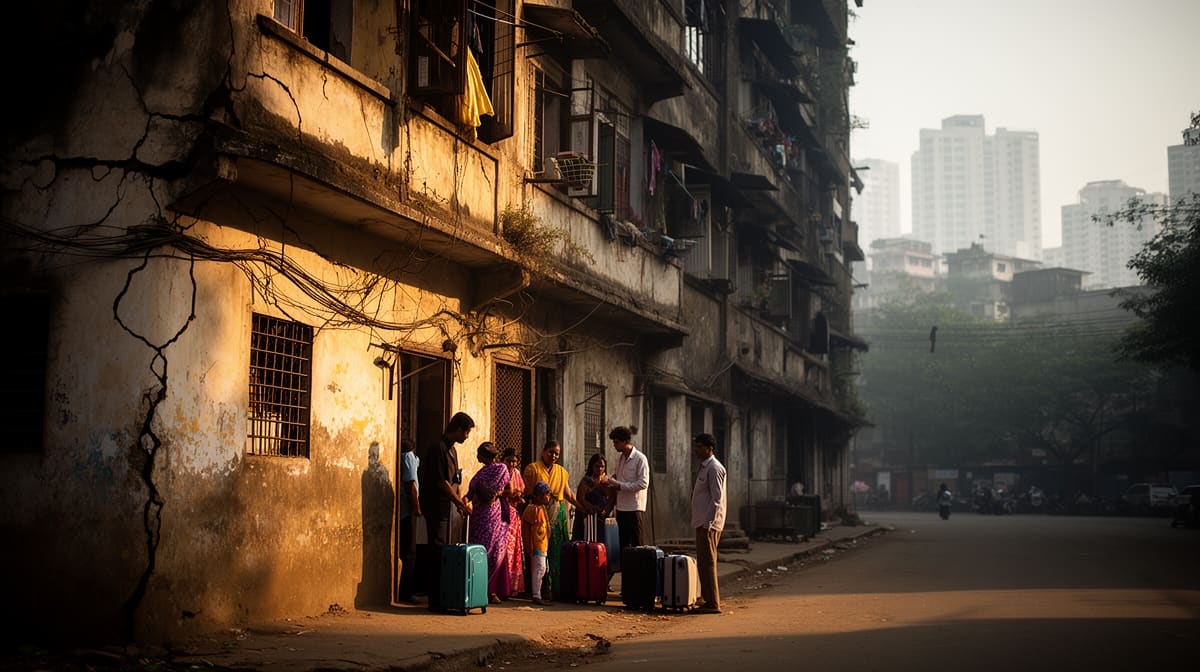
In a pragmatic resolution balancing development imperatives with procedural fairness, the Bombay High Court has granted a temporary reprieve to an employees' union occupying premises at Mumbai International Airport, allowing four weeks to vacate while preserving all substantive legal rights. The order reflects judicial restraint in developmental disputes, prioritizing orderly transition over coercive eviction.
Background & Facts
The Dispute
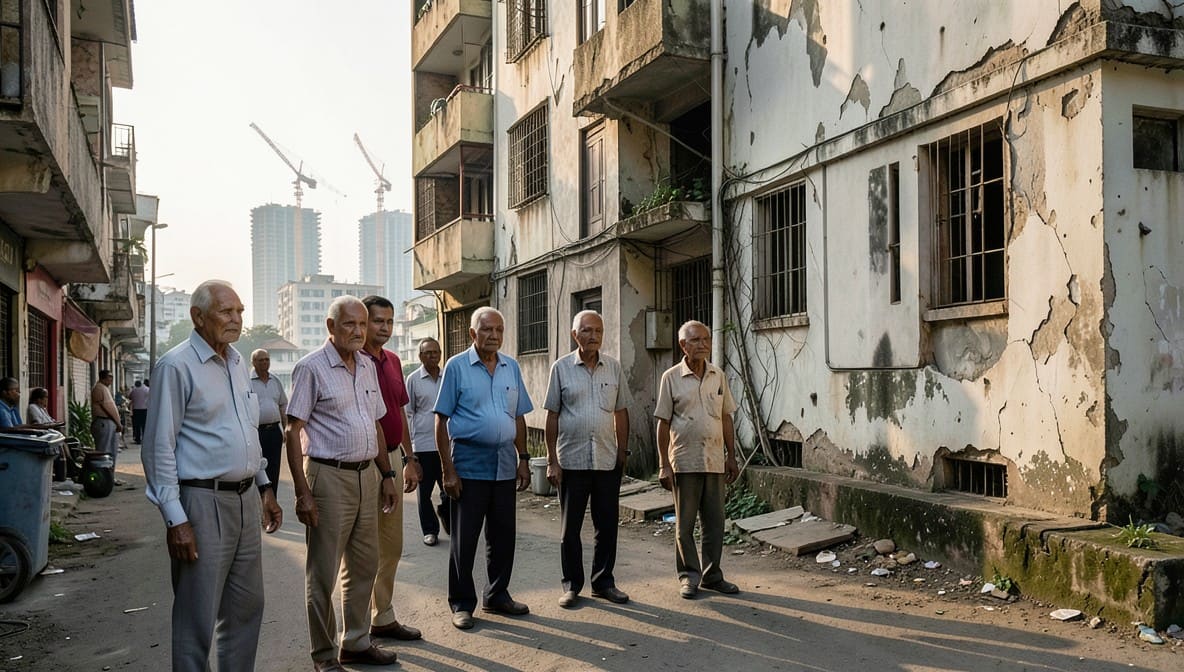
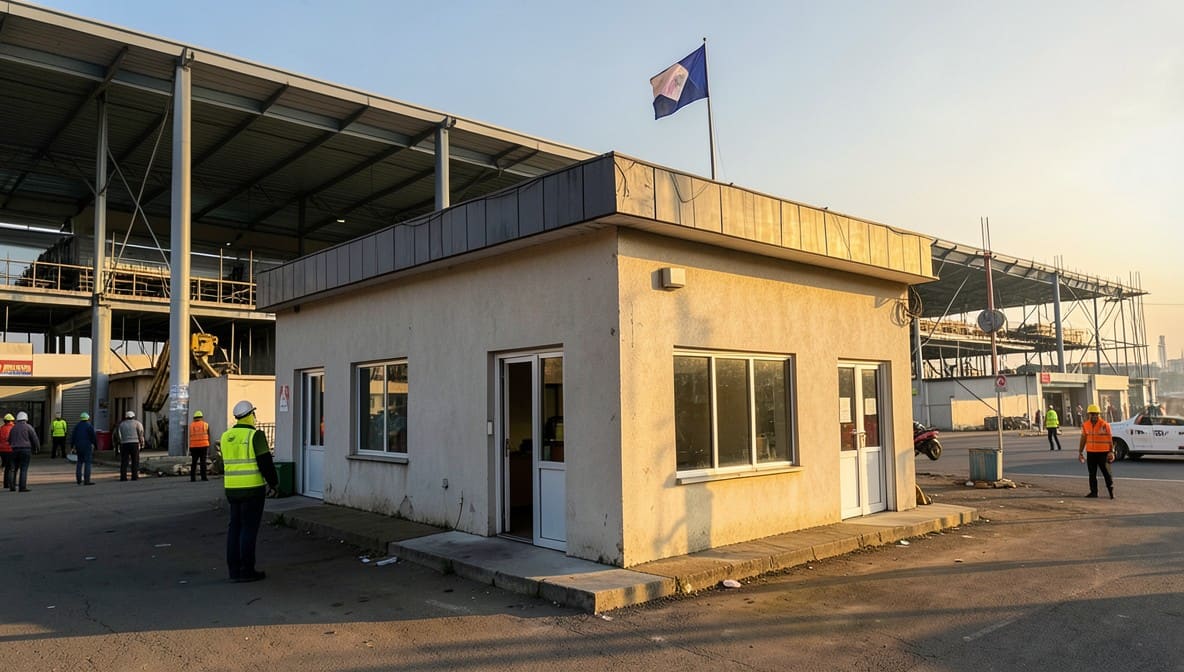
The appellant, Indian Airport Employees Union, has been operating its office from a structure on land owned by the Airport Authority of India since 1995. The land is now under development by the respondent, Mumbai International Airport Pvt Ltd, as part of a larger infrastructure project. Notices were issued to all occupants, including the Union, demanding evacuation. The Union sought interim protection from demolition, which the Trial Court denied, holding that the Union had no legal title or recognized tenancy.
Procedural History
- 1995: Union established office on Airport Authority land
- 2025: S.C. Suit No. 286 of 2025 filed seeking permanent relief and recognition of occupancy rights
- January 2026: Trial Court dismissed interim application for stay of demolition
- March 2026: Appeal filed before Bombay High Court challenging dismissal of interim relief
Relief Sought
The Union sought an interim order restraining demolition of its office premises. In the alternative, it requested reasonable time to relocate. The Union also sought liberty to approach the Airport Authority and MMRDA for alternate accommodation based on prior representations made in 2015.
The Legal Issue
The central question was whether a court may grant temporary relief to an unauthorised occupant in a development zone, not on grounds of title, but to ensure orderly transition and preserve the right to pursue substantive remedies.
Arguments Presented
For the Appellant
Mr. Mihir Desai, Senior Advocate, argued that the Union had functioned continuously since 1995 with implied consent of the Airport Authority. He emphasized that the Union’s members are essential service providers whose displacement without alternate arrangements would cause undue hardship. He cited the letters dated 20.10.2015 and 06.11.2015 seeking regularisation as evidence of good faith engagement with authorities. He contended that immediate demolition would violate principles of natural justice and proportionality.
For the Respondent
Mr. Vikram Nankani, Senior Advocate, acknowledged the Union’s long-standing presence but stressed that the structure was erected without statutory approval or lease. He maintained that the development project was in public interest and could not be delayed. However, he conceded that the Union should be given reasonable time to vacate, provided no further obstruction occurred.
The Court's Analysis
The Court did not adjudicate the merits of the Union’s claim to occupancy or title. Instead, it focused on the procedural fairness and humanitarian dimension of immediate eviction. The Court observed that the Union had not resisted evacuation but sought time to arrange relocation. The Court noted that the Union had voluntarily offered to vacate within four weeks, and the Respondent had consented to this timeline.
"The request made by Mr. Desai prima facie appears to be fair. Mr. Nankani... also agrees to the same. Needless to state that said request is granted by the Court."
The Court further recognized the relevance of the 2015 letters seeking regularisation, which indicated a history of dialogue with authorities. It held that denying the Union an opportunity to re-approach the Airport Authority and MMRDA for alternate accommodation would be inequitable, especially where the Union had not acted in bad faith. The Court emphasized that the substantive suit remained open, ensuring no prejudice to the Union’s legal rights.
The Verdict
The appellant won. The Bombay High Court granted four weeks to vacate the premises, subject to an undertaking filed by the Union’s Secretary. The Court preserved the Union’s right to pursue its substantive suit and granted liberty to file fresh representations for alternate accommodation. Demolition was stayed for the stipulated period.
What This Means For Similar Cases
Temporary Relief Is Available Even Without Title
- Practitioners may seek interim relocation time for unauthorised occupants who have long-standing, non-malicious possession
- Courts may grant such relief on grounds of fairness, not legal title
- Undertakings to vacate within a fixed period are enforceable and often accepted by courts
Representation for Alternate Accommodation Must Be Actively Preserved
- Where occupants have previously sought regularisation, courts may direct authorities to reconsider such applications
- Authorities like MMRDA or land-owning agencies cannot ignore prior representations made in good faith
- This creates a procedural obligation for public bodies to respond to rehabilitation requests
Development Projects Cannot Override Procedural Fairness
- Public interest development does not automatically justify immediate eviction
- Courts will weigh humanitarian impact and procedural history before permitting demolition
- Parties must be given opportunity to seek alternate arrangements before enforcement