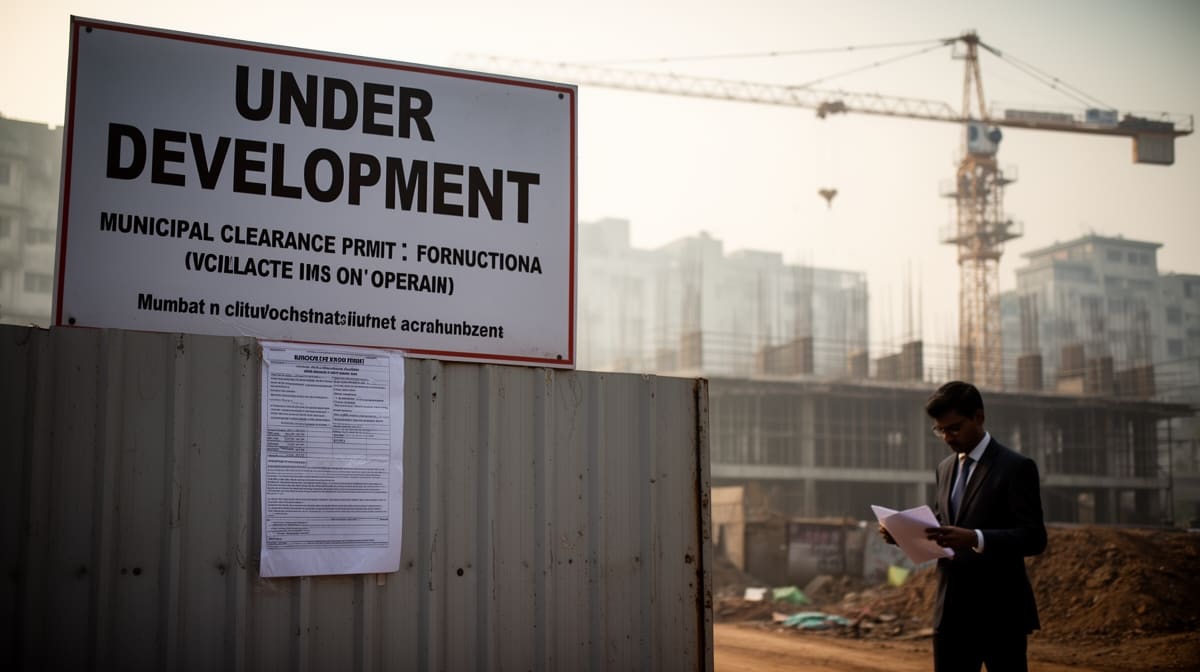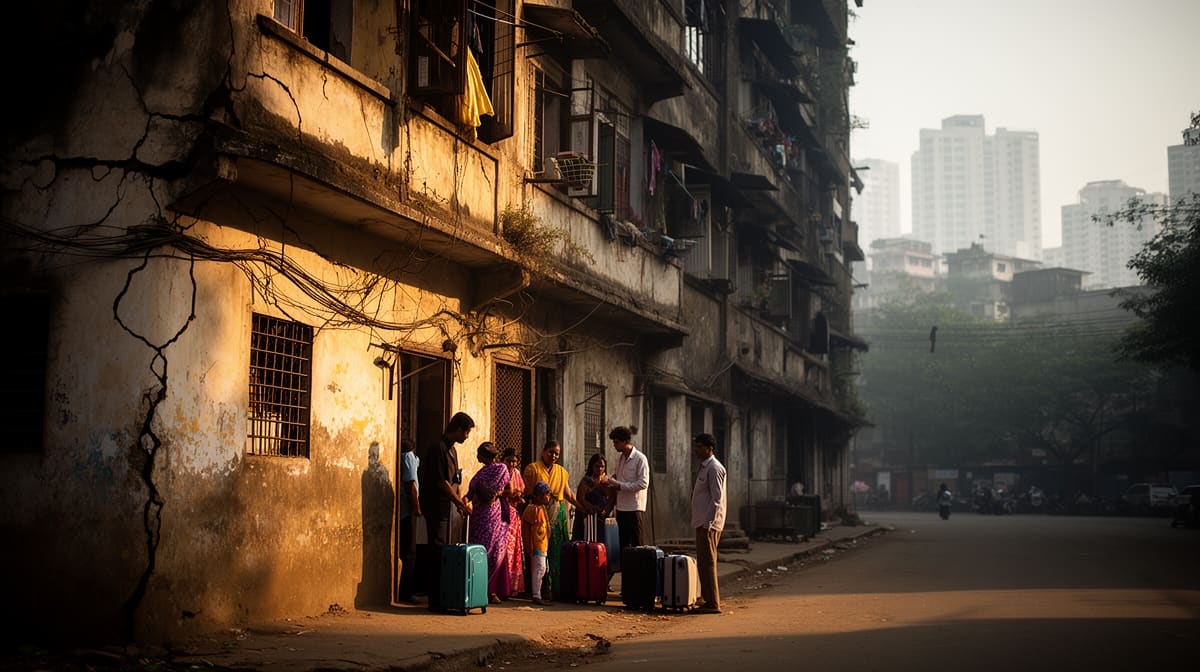
The Bombay High Court has affirmed that tenants in dilapidated buildings classified as C-1 category cannot be evicted without concrete assurances of alternate accommodation or transit rent. This order underscores the constitutional obligation to protect the right to shelter under Article 21, even in the context of private redevelopment, and sets a procedural benchmark for courts handling similar housing disputes.
Background & Facts
The Dispute
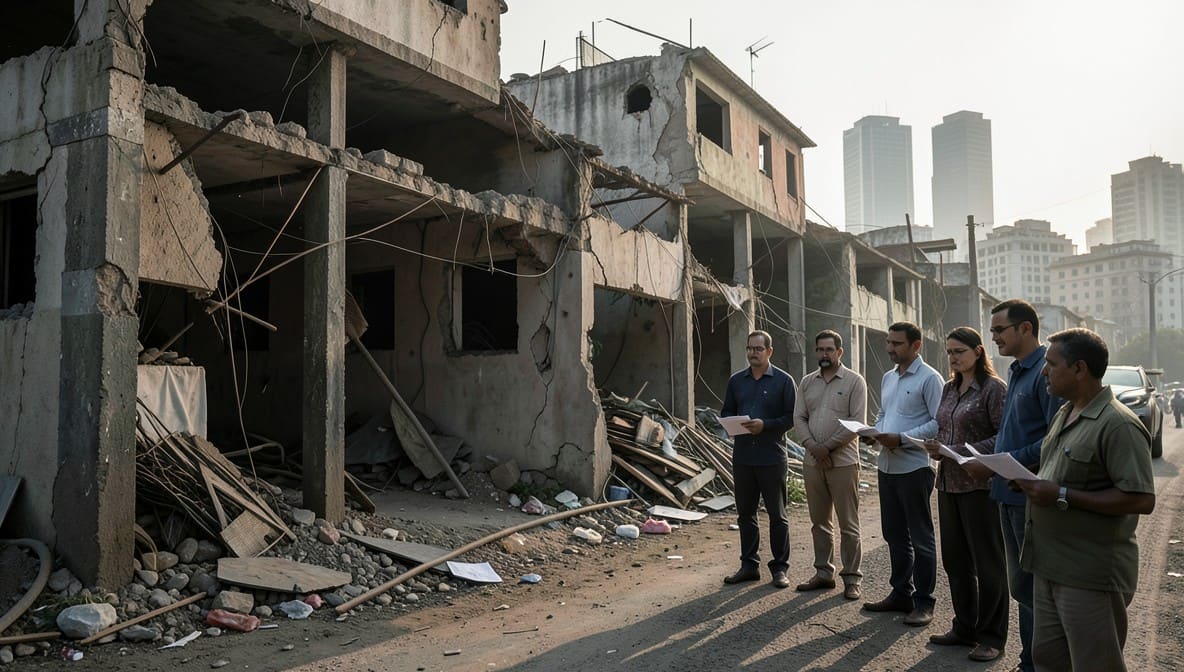
The appellants, who are landlords of an eight-room building in Mumbai, seek to redevelop the structure due to its dilapidated condition. Four rooms are occupied by the landlords themselves, while the remaining four are tenanted. The tenants, though not formal parties to the appeal, are directly affected by the proposed redevelopment. The Municipal Corporation has classified the building under C-1 category, indicating severe structural deterioration requiring immediate intervention.
Procedural History
- The original suit was filed by the landlords seeking permission to redevelop the building.
- Tenants expressed apprehension about displacement without alternative housing or financial support.
- The Appellate Order under challenge sought interim protection for tenants pending final disposal.
- The Court was presented with a TAC (Technical Assessment Committee) report confirming the building’s unsafe condition.
Relief Sought
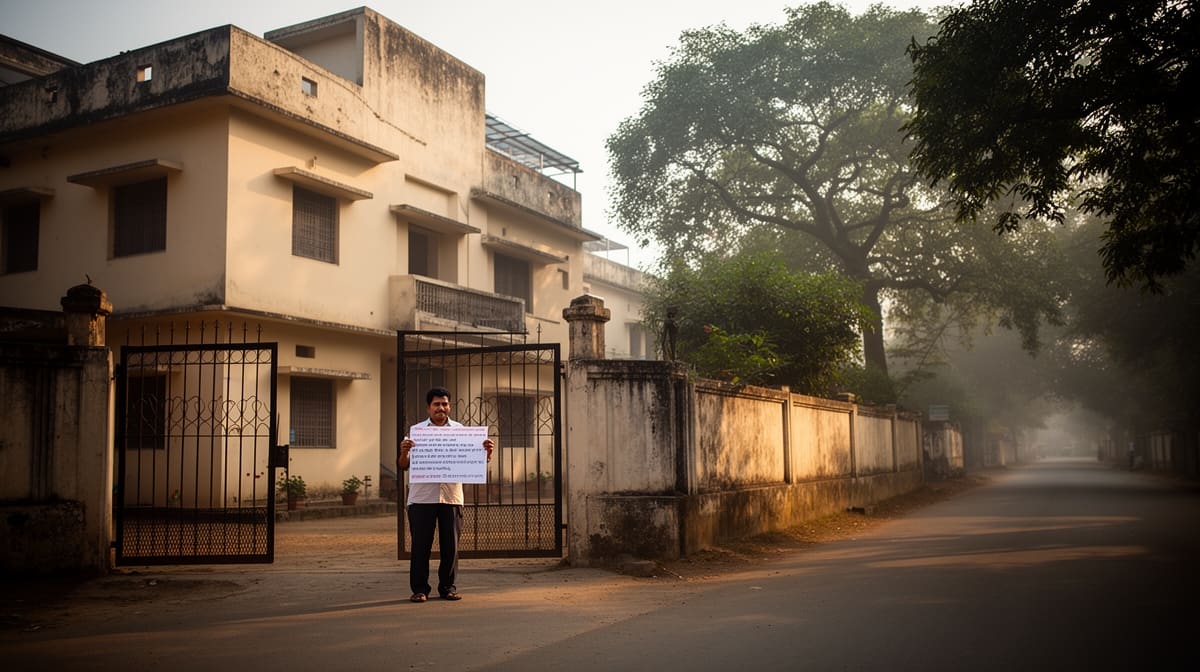
The appellants sought continuation of the status quo until final disposal, but crucially requested that the Court record binding assurances from the landlords regarding alternate accommodation or transit rent for the tenants. They emphasized the financial and procedural vulnerability of tenants who cannot repeatedly approach courts due to cost and complexity.
The Legal Issue
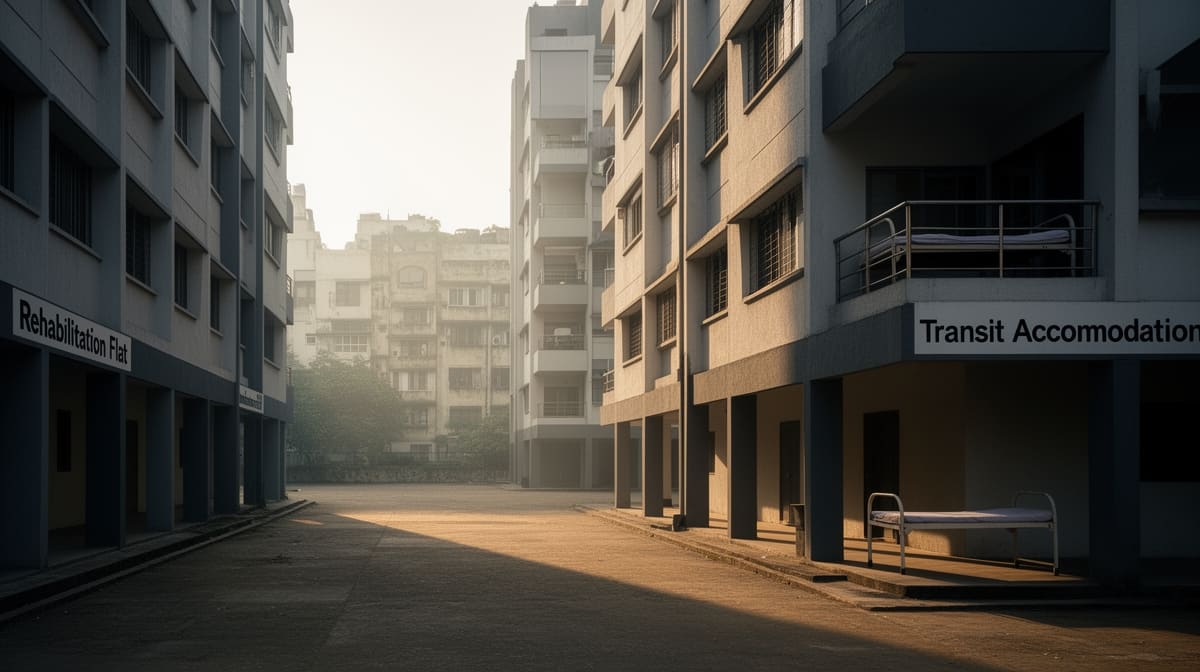
The central question was whether Article 21 of the Constitution mandates that tenants in C-1 category buildings be provided with assured alternate accommodation or transit rent before being dispossessed, even in private redevelopment schemes where no statutory rehabilitation scheme is formally invoked.
Arguments Presented
For the Appellant
Mr. Ameya C. Sawant, appearing for the appellants, conceded the building’s dilapidated state and the necessity of redevelopment. He did not oppose redevelopment but argued that displacement without safeguards would violate the tenants’ fundamental right to shelter. He relied on the principle that the right to housing is inseparable from the right to life, and cited Olga Tellis v. Bombay Municipal Corporation to underscore that eviction without rehabilitation violates constitutional dignity. He urged the Court to record binding undertakings from the landlords to prevent arbitrary dispossession.
For the Respondent
Mr. Sachin B. Vajale, representing the Municipal Corporation, supported the classification of the building as C-1 and confirmed the TAC report’s findings. He did not oppose the tenants’ request for protection but emphasized that the Corporation’s role was regulatory, not rehabilitative, in private redevelopment. He did not contest the need for safeguards but deferred to the Court’s discretion on the form of relief.
The Court's Analysis
The Court recognized that while the redevelopment was lawful and necessary, the absence of any mechanism to protect tenants rendered the process constitutionally incomplete. It held that the right to shelter under Article 21 is not extinguished merely because redevelopment is initiated by private parties. The Court observed that the tenants, though not parties to the suit, were vulnerable stakeholders whose rights could not be ignored.
"The Court cannot turn a blind eye to the human cost of redevelopment when the building is classified as C-1 and the occupants are not in a position to seek repeated judicial intervention."
The Court rejected the notion that private redevelopment absolves stakeholders of their moral and constitutional obligations. It emphasized that procedural fairness requires proactive judicial intervention to prevent irreversible harm. The Court noted that the appellants themselves had conceded the need for safeguards, and the Corporation had not opposed them. Therefore, the Court concluded that recording assurances was not an overreach but a necessary exercise of its equitable jurisdiction under Article 226.
The Verdict
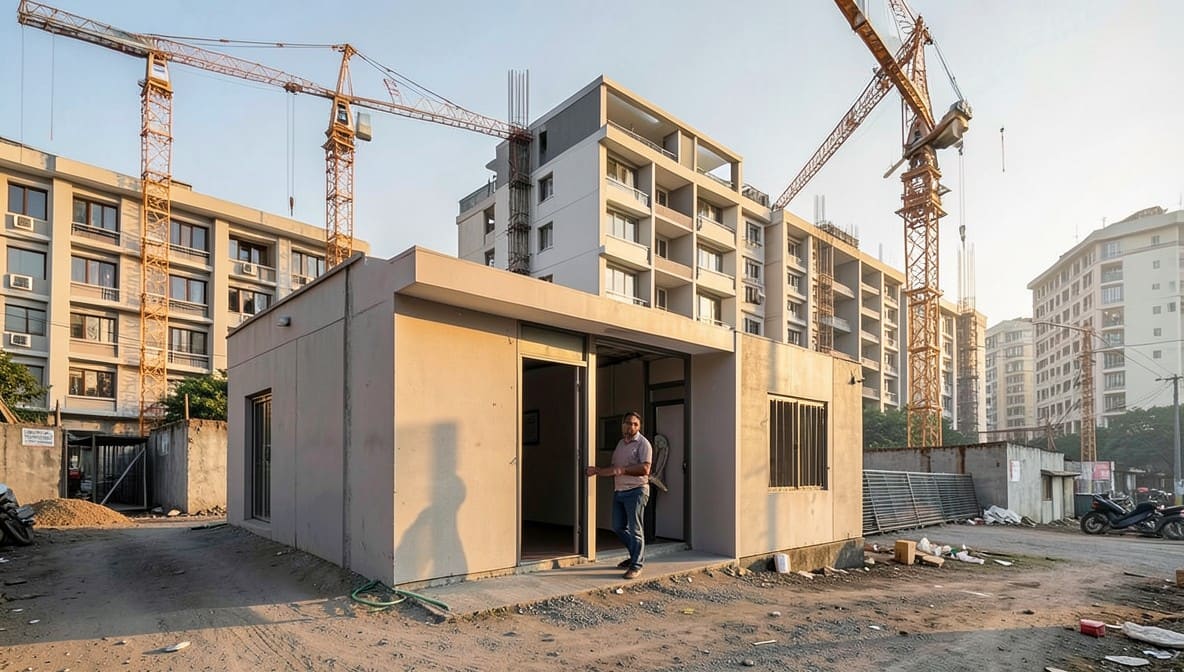
The appellants prevailed. The Court held that tenants in C-1 category buildings cannot be displaced without binding assurances of alternate accommodation or transit rent. The matter was adjourned to February 20, 2026, with directions for landlords to file affidavits detailing their proposed rehabilitation plan, and for tenants to be formally served with notice of the proceedings.
What This Means For Similar Cases
Alternate Accommodation Is Not Optional
- Practitioners must now include written undertakings on alternate accommodation as a mandatory condition in any redevelopment petition involving vulnerable tenants.
- Courts will no longer permit eviction orders without proof of feasible relocation or financial support.
- Failure to provide such assurances may result in stay of redevelopment even if structural safety is established.
Judicial Intervention Is Proactive, Not Reactive
- Courts may initiate protective measures even when tenants are not formal parties, if their rights are demonstrably at risk.
- The burden shifts to developers/landlords to demonstrate that displacement will not violate Article 21.
- Affidavits detailing transit rent, duration, location, and accessibility of alternate housing must be filed before any possession order is passed.
C-1 Classification Triggers Enhanced Duty
- Buildings classified as C-1 by municipal authorities automatically trigger heightened judicial scrutiny under housing rights jurisprudence.
- TAC reports are now de facto triggers for mandatory rehabilitation planning, regardless of whether the project falls under statutory slum rehabilitation schemes.
- Practitioners should treat C-1 classification as a red flag requiring immediate legal safeguards for occupants.