In a significant affirmation of a minor’s right to personal autonomy, the Rajasthan High Court has held that a child’s expressed refusal to return to a parent, even when that parent is the legal petitioner in a habeas corpus proceeding, must be given decisive weight. The judgment prioritizes the child’s welfare and evolving capacity for self-determination over formal parental claims, setting a new benchmark in custodial disputes involving minors.
Background & Facts
The Dispute
The petitioner, Ghanshyam S/o Laxman Kumawat, filed a habeas corpus petition alleging that his daughter, Mst. 'K', had been illegally detained by unknown persons since 18 November 2025. The petition sought her immediate production and return to his custody. The respondents, including the State of Rajasthan and local police authorities, opposed the petition on grounds of the corpus’s age and stated wishes.
Procedural History
- 18 November 2025: Mst. 'K' went missing from her residence in Bhaderas, Chittorgarh
- January 2026: Petition filed before the Rajasthan High Court under Article 226 of the Constitution
- 5 March 2026: Court issued notice and directed production of the corpus
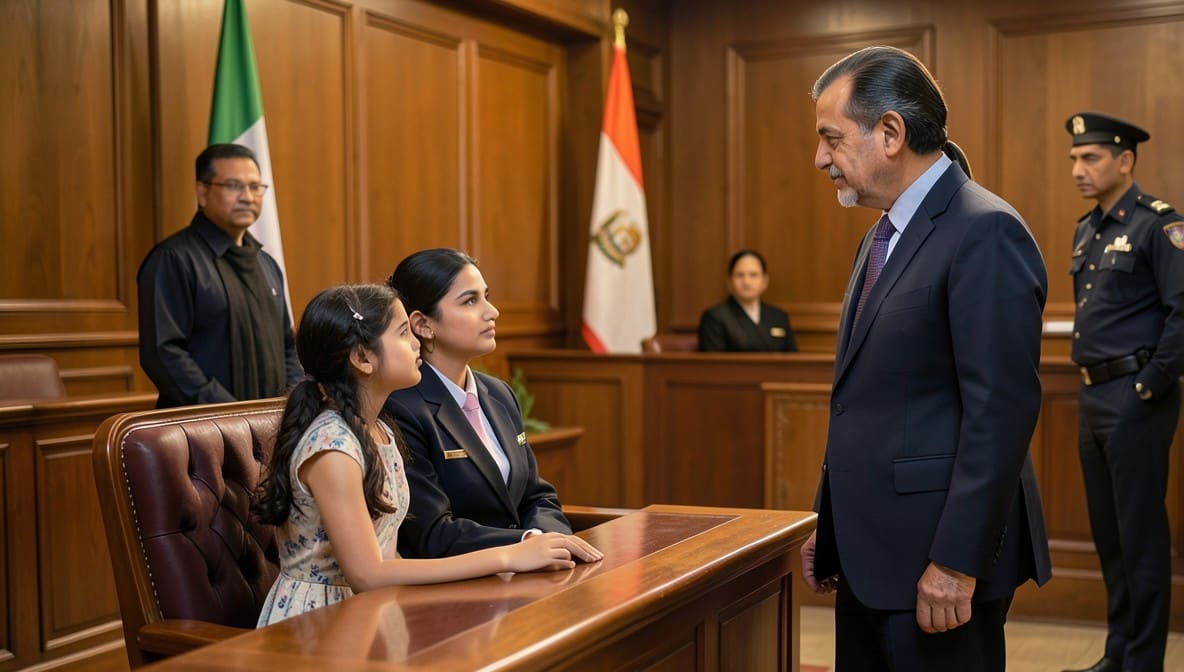
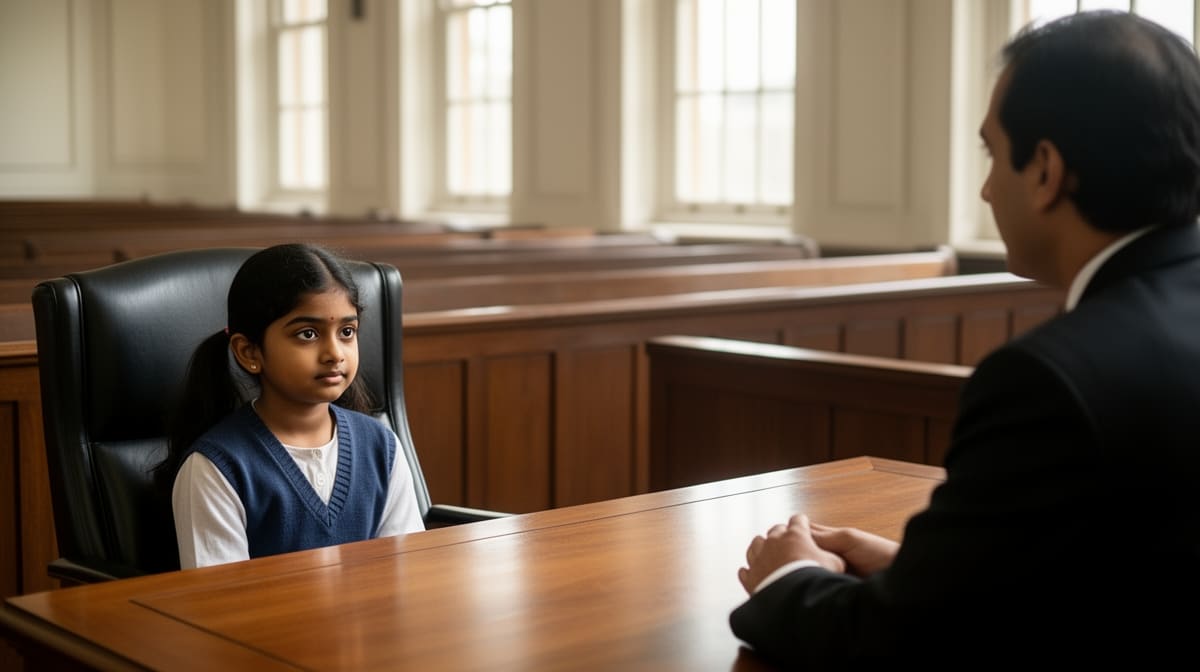
- 6 March 2026: Mst. 'K' was produced before the Court and interviewed in chambers
Relief Sought
The petitioner sought the immediate release of Mst. 'K' into his custody. The State, while not opposing the petition per se, raised concerns about her age and stated unwillingness to return home, urging the Court to consider her welfare.
The Legal Issue
The central question was whether a minor’s voluntary and clear expression of unwillingness to return to a parent’s custody, even in the absence of proven abuse, can override the parent’s legal right to custody under a habeas corpus petition.
Arguments Presented
For the Petitioner
Mr. Anirudh Bhati, counsel for the petitioner, argued that as the biological father and legal guardian, he had an absolute right to the custody of his daughter under Section 6 of the Hindu Minority and Guardianship Act, 1956. He contended that the corpus’s absence was the result of external influence and that the Court’s duty was to restore her to lawful custody, not to adjudicate familial disputes.
For the Respondent
Mr. Deepak Choudhary, Additional Advocate General, submitted that the corpus had been independently interviewed and had clearly stated she did not wish to return to her father due to poor treatment. He relied on the principle of the child’s best interest under Section 13 of the Juvenile Justice (Care and Protection of Children) Act, 2015, and cited Shilpa Sailesh v. Varun Sreenivasan to argue that the child’s voice must be heard and respected, especially when she is nearing majority.
The Court's Analysis
The Court acknowledged the petitioner’s legal standing as father and guardian but emphasized that legal custody does not equate to automatic physical custody when the child’s welfare is at stake. The Court noted that the corpus, though officially recorded as 17 years old, had attained sufficient maturity to express a reasoned preference. Her statement was not impulsive but consistent and uncoerced.
"The right to live with dignity and freedom from hostile environment is inherent in every child, even if she is a minor. A parent’s claim to custody cannot be enforced by the Court if the child, who is on the cusp of adulthood, clearly and voluntarily rejects that arrangement."
The Court distinguished this from cases of abduction or trafficking, where the child’s consent is irrelevant. Here, there was no evidence of coercion by third parties. The Court further held that placing the child in a Children’s Home at Udaipur was not punitive but protective, ensuring her safety, education, and emotional stability until she attained majority.
The Court also referenced the UNCRC’s Article 12, which India has ratified, affirming the child’s right to be heard in matters affecting her. The judgment treated the child’s voice not as a factor among others, but as a decisive one in this context.
The Verdict
The petitioner’s request for custody was denied. The Court held that a minor’s voluntary and mature refusal to return to a parent’s home, in the absence of coercion, justifies temporary placement in a protective institution until majority. The corpus was directed to remain in the Children’s Home at Udaipur until she turns 18, after which she may freely choose her residence.
What This Means For Similar Cases
A Minor’s Voice Is Decisive in Custody Disputes
- Practitioners must now treat a minor’s expressed wish as a primary factor, not a secondary consideration, in habeas corpus or custody matters
- Courts will conduct private interviews with minors in all contested custody cases, regardless of age, if there is any indication of distress or resistance
- Parental rights under the Hindu Minority and Guardianship Act cannot be invoked to override a child’s autonomy when the child is near majority and expresses a clear, consistent preference
Protective Custody Is Not Punitive
- Placement in a Children’s Home under such orders is not an admission of parental wrongdoing but a neutral safeguard
- Legal teams should prepare affidavits from child psychologists or social workers to support the child’s stated preference
- The Children’s Home must be documented as the least restrictive alternative, with regular review mechanisms
Age Is Not the Sole Determinant of Capacity
- The Court implicitly recognized that maturity, not just chronological age, determines a child’s capacity to express a meaningful preference
- Practitioners should not assume that a 17-year-old lacks capacity; evidence of education, communication skills, and emotional reasoning must be presented
- This opens the door for similar arguments in guardianship, adoption, and maintenance cases under the Juvenile Justice Act