The Madhya Pradesh High Court has disposed of a habeas corpus petition after the corpus, a minor girl, voluntarily affirmed her desire to return to her parents, underscoring that the primary objective of such petitions - restoring liberty - is fulfilled when the minor expresses autonomous intent. In a significant procedural and humanitarian development, the Court mandated a six-month mentoring arrangement under the 'Shourya Didi' framework to ensure sustained emotional recovery.
Background & Facts
The Dispute
The petitioner, Ashok Kumar, filed a writ petition under Article 226 of the Constitution seeking the production of his daughter, the corpus, before the Court, alleging her illegal confinement by respondent No. 5. The petition was filed in the nature of habeas corpus, seeking her release from unlawful detention and restoration to parental custody.
Key Facts
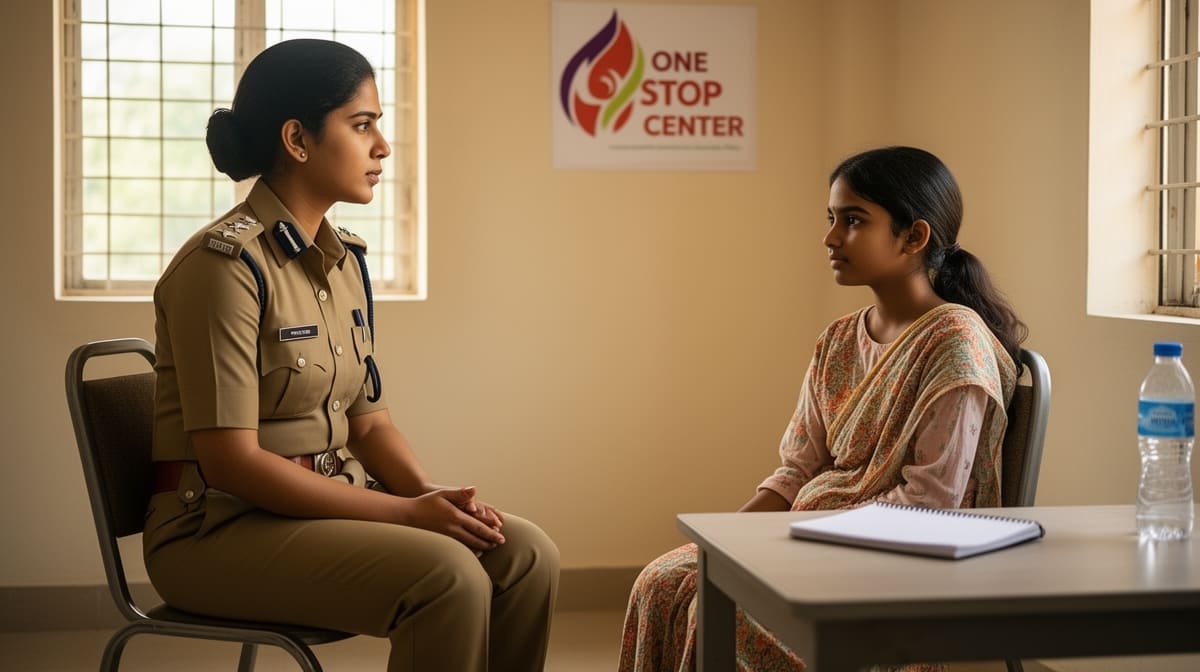
- The corpus, a minor girl, was produced before the Court on 07.04.2026 by Inspector Dinesh Singh Kushwah (SHO) and Lady Constable Varsha Rajawat of Police Station Porsa, District Morena
- Both parents of the corpus appeared in person before the Court
- The corpus, when directly questioned by the Court, stated clearly that she wished to live with her parents
- She expressed a desire to engage in creative pursuits
- The parents undertook to provide her with proper care and support
- No allegations of coercion, trafficking, or ongoing threat were substantiated during the hearing
Procedural History
- 07.04.2026: Writ Petition No. 11926 of 2026 filed before the High Court of Madhya Pradesh at Gwalior
- 07.04.2026: Corpus produced in court by police officials
- 07.04.2026: Court conducted direct inquiry with corpus, who affirmed her wish to return to parents
Relief Sought
The petitioner sought the release of the corpus from alleged illegal confinement and her restoration to parental custody.
The Legal Issue
The central question was whether a habeas corpus petition becomes infructuous when the corpus, a minor, voluntarily expresses a clear and unambiguous desire to return to her parents, and whether the Court can impose post-release protective measures to ensure her psychological rehabilitation.
Arguments Presented
For the Petitioner
The petitioner submitted that his daughter was unlawfully detained and that her return to parental custody was both her expressed wish and her fundamental right to liberty and family life. He emphasized that no criminal complaint or court order justified her separation from the family.
For the Respondent/State
The State, through Government Advocate Dr. Anjali Gyanani, confirmed the corpus’s production before the Court and acknowledged her voluntary statement. The State did not oppose the petition and supported her return to parental care, while highlighting the need for post-recovery support.
The Court's Analysis
The Court observed that the very purpose of a habeas corpus petition - to ascertain the legality of detention and secure release where unlawful - is achieved when the corpus herself affirms her desire to return to her family. The Court noted that the corpus’s statement was made spontaneously, without coercion, and in the presence of her parents and legal representatives.
"When corpus is ready to go with her parents to live in maternal family fold, then petition outlived its purpose."
The Court further emphasized that while liberty is restored, the psychological aftermath of trauma - particularly for minors subjected to exploitation or isolation - demands more than mere physical release. Citing Harchand Gurjar v. State of M.P. & Ors., the Court elaborated on the concept of "Shourya Didi," a mentorship model designed to provide emotional guidance, encouragement, and sustained support to victims of abuse or neglect.
The Court held that the State, through its law enforcement and child protection machinery, has a duty to ensure that the corpus is not merely freed but also rehabilitated. The Court found that the role of Lady Constable Varsha Rajawat, who had already engaged the corpus in counseling, was exemplary and should be institutionalized for the next six months.
The Verdict
The petition was disposed of as infructuous. The corpus was directed to be released immediately and permitted to leave the Court premises with her parents. The Court mandated that Smt. Anjali Gyanani, Government Advocate, and Lady Constable Varsha Rajawat shall act as "Shourya Didis" for the corpus for the next six months, maintaining regular contact to monitor her emotional well-being, encourage her creative pursuits, and prevent re-victimization. The Court commended the Government Advocate’s counseling efforts and directed the State to consider formalizing the "Shourya Didi" framework through policy guidelines.
What This Means For Similar Cases
Habeas Corpus Petitions Are Disposed Upon Corpus’s Voluntary Consent
- Practitioners must prioritize direct, unmediated communication with the minor corpus in all habeas corpus matters
- If the minor clearly and consistently expresses a desire to return to family, the petition becomes infructuous and need not proceed to prolonged hearings
- Courts may now treat such affirmations as conclusive on the issue of liberty, shifting focus to rehabilitation
'Shourya Didi' Establishes a New Standard for Post-Recovery Support
-
The concept of "Shourya Didi" is now a binding judicial directive in cases involving minors recovering from trauma
-
Female police personnel or trained women officers from Women and Child Development Departments must be assigned as mentors for at least six months
-
This duty is not discretionary - it is a judicially recognized obligation under Article 21 (right to life with dignity)
-
Legal aid providers and child rights NGOs should prepare to collaborate with police to implement this model
-
Practitioners representing minors in similar cases should now include requests for "Shourya Didi" appointment as part of relief prayers
-
Documentation of the minor’s emotional state before and after release should be formally recorded and submitted to the Court