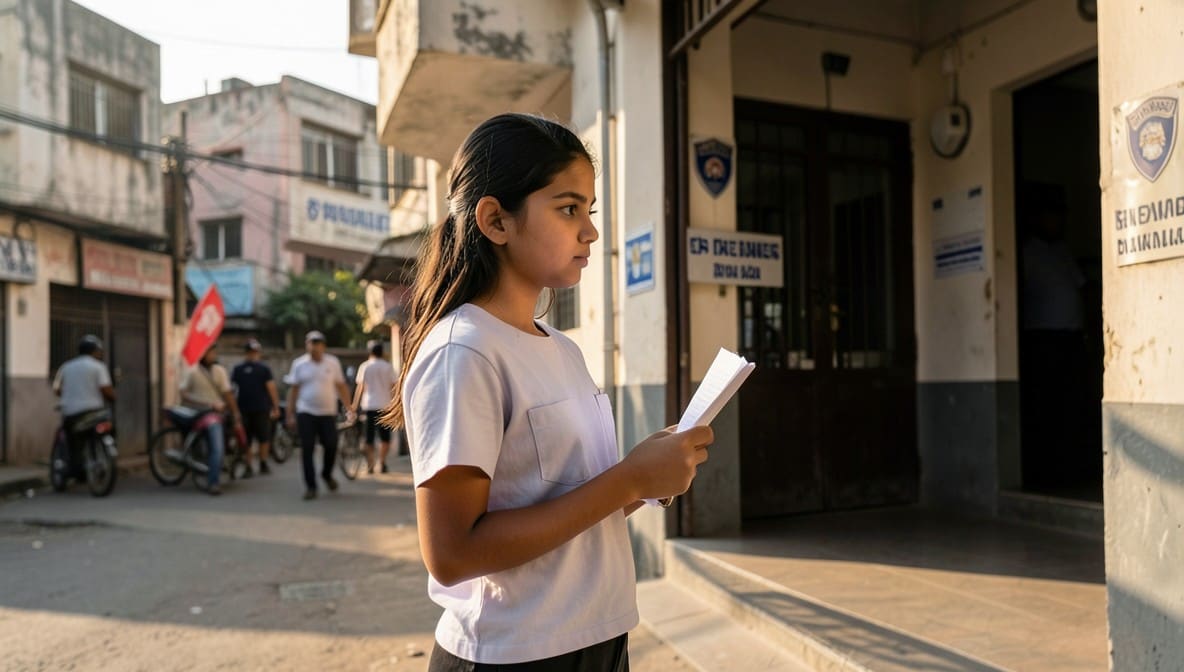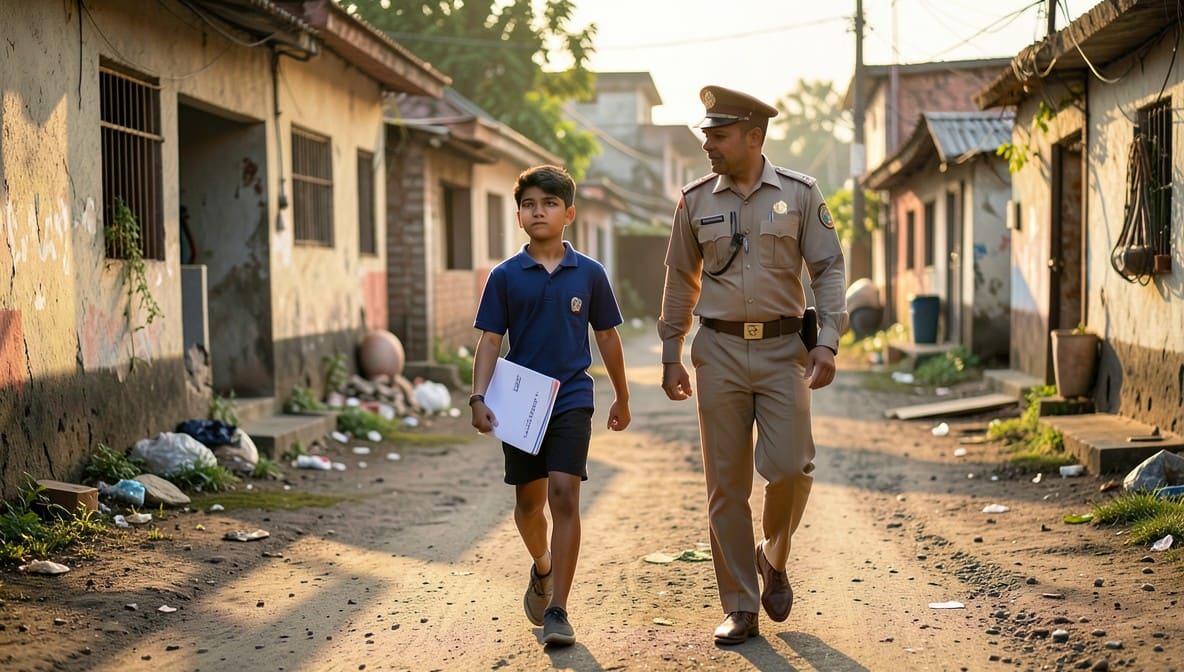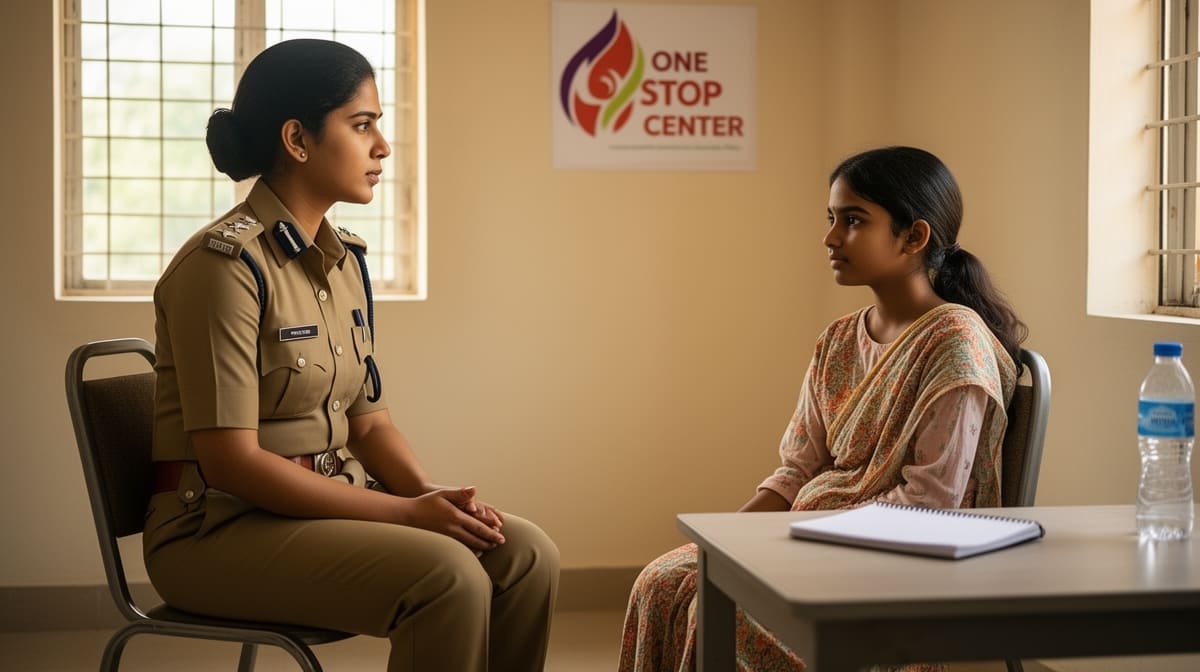
The Madhya Pradesh High Court has established a groundbreaking precedent in victim-centric jurisprudence by institutionalizing the 'Shourya Didi' model as a mandatory component of post-rescue care for girls recovering from emotional and psychological trauma. This judgment moves beyond procedural rescue to recognize the state’s affirmative duty to ensure long-term mental and emotional rehabilitation.
Background & Facts
The Dispute
The petitioner, Jagdish Singh, filed a writ petition under Article 226 seeking the release of his daughter, the corpus, who was allegedly in illegal confinement by her brother-in-law, respondent No.4. The corpus, a minor girl, was recovered by police from the residence of her husband’s brother, following reports of coercive control and emotional manipulation. Her sister, respondent No.4’s wife, had previously married into the same household.
Procedural History
- 13 February 2026: The Court directed the corpus to be placed at the One Stop Center, Kampoo, Gwalior, for safety and initial counseling.
- 18 February 2026: The Court conducted a personal hearing with the corpus, her parents, and the state-appointed counselor.
- Prior to this, the corpus had expressed fear of returning home due to anticipated stigma and blame.
Relief Sought
The petitioner sought the corpus’s release from unlawful detention and her safe return to her parental home, with assurances of psychological support and protection from harassment by respondent No.4.
The Legal Issue
The central question was whether the state’s obligation under Article 21 extends beyond physical rescue to include sustained emotional and psychological rehabilitation for minor victims of trauma, and whether the 'Shourya Didi' model, as articulated in Harchand Gurjar v. State of M.P., can be enforced as a binding state duty.
Arguments Presented
For the Petitioner
The petitioner’s counsel argued that mere physical release without emotional reintegration would expose the corpus to re-traumatization. He relied on Harchand Gurjar to assert that the state has a constitutional duty to provide continuous mentorship, especially when parents are emotionally unprepared or socially stigmatized. He emphasized that the corpus’s expressed willingness to return home was contingent on guaranteed peace and non-judgmental support.
For the Respondent/State
The Additional Advocate General acknowledged the corpus’s vulnerability but contended that the state’s role ended with her rescue and placement at the One Stop Center. He argued that ongoing counseling was a welfare measure, not a legal obligation, and that parental assurances were sufficient.
The Court's Analysis
The Court rejected the narrow view that state responsibility ends with physical safety. It affirmed that Article 21’s guarantee of life and personal liberty includes the right to live with dignity, which cannot be fulfilled without addressing deep-seated psychological trauma. The Court explicitly adopted and expanded the reasoning in Harchand Gurjar, holding that the 'Shourya Didi' model is not merely a policy suggestion but a constitutional imperative in cases involving minors recovering from coercive environments.
"Victims of sexual offences or sometimes girl left her maternal home for marriage or being annoyed by parents or Child in Need of Care and Protection are some of the instances where these children need not only the protection but some affirmative actions like Encouragement, Guidance or Mentoring for their future course of life."
The Court noted the risk of Stockholm Syndrome, where victims develop emotional bonds with their abusers, and emphasized that parental reintegration without structured support risks re-victimization. It held that the state, through trained personnel - whether police officers or WCD Department staff - must provide consistent, non-intrusive mentorship for a minimum of six months. The Court further observed that the corpus’s expressed desire to marry, while respecting parental wishes, must be protected by a supportive environment, not merely permitted.
The Verdict
The petition was disposed of with directions. The Court held that the state has a constitutional obligation to provide sustained emotional mentorship to minor victims of trauma, and that the 'Shourya Didi' model must be implemented as a mandatory post-rescue protocol. The corpus was ordered to be released into her parents’ custody, subject to six months of monthly counseling by Smt. Anjali Gyanani and Lady Constable Nidhi Parmar.
What This Means For Similar Cases
Emotional Rehabilitation Is a Constitutional Right
- Practitioners must now argue that Article 21 mandates post-rescue psychological support in all habeas corpus or child protection cases involving trauma.
- Merely securing physical release is insufficient; courts must inquire into the victim’s emotional readiness and institutional support mechanisms.
Shourya Didi Is Now a Binding Protocol
- Female police officers or WCD staff must be formally designated as 'Shourya Didis' in all such cases, with documented monthly interventions.
- Petitioners should seek court orders specifying duration, frequency, and qualifications of mentors, citing this judgment as precedent.
Parental Assurances Are Not Enough
- Courts must not rely solely on parental promises; independent verification of the home environment and ongoing monitoring are now required.
- Advocates should request court-appointed social workers to submit follow-up reports for at least six months post-release.