The Karnataka High Court has reaffirmed the principle that allegations of fraud in land grants must be substantiated within a reasonable timeframe, dismissing a writ appeal filed by the State challenging the validity of a 1984 land grant. The Court held that belated attempts to question the authenticity of grant documents, particularly after multiple judicial orders confirming the grant, amount to an abuse of process and cannot be entertained. The judgment underscores the importance of timely action in administrative law and the finality of judicial orders in land disputes.
Background & Facts
The Dispute
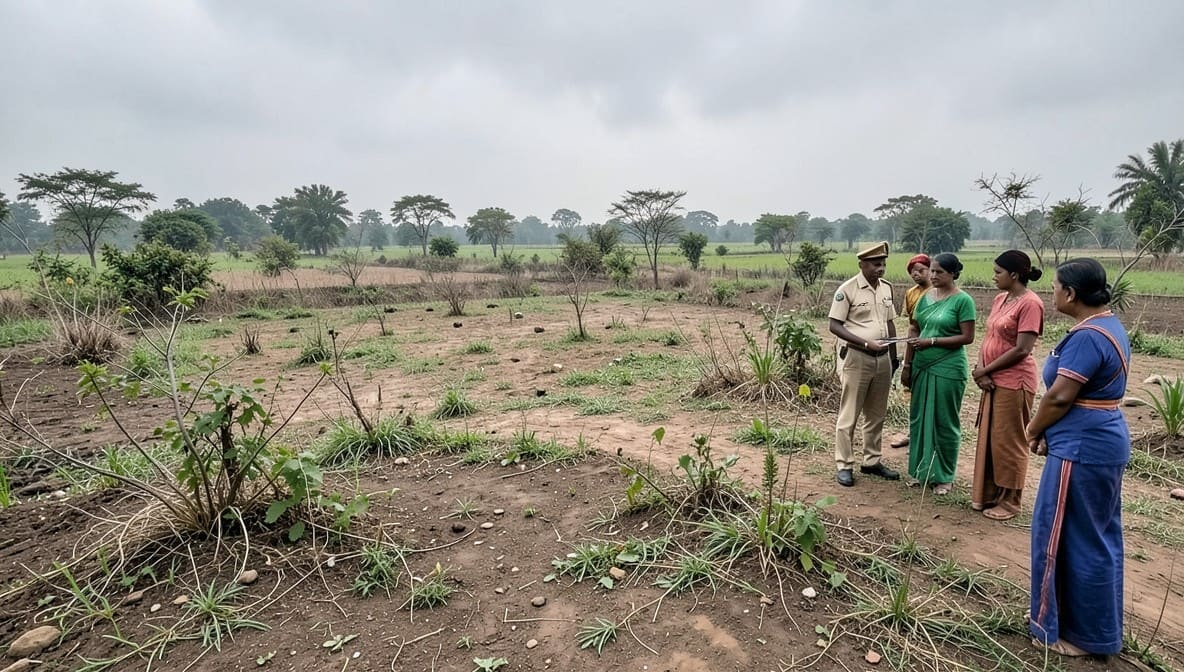
The dispute centers around Sy.No.21 of Poojanahalli Village, Kasaba Hobli, Devanahalli Taluk, Bengaluru Rural District, measuring approximately 17 acres, granted to seven grantees in 1984. The land was subsequently divided among the grantees as follows:
- 4 acres to respondent No.1 (Sri. Muniyappa)
- 2 acres each to respondents No.2 (Smt. Parvathamma), Smt. Venkatamma (mother of respondent No.3), and Shri Anjinappa (father of respondents No.4 and 5)
- 3 acres to Shri Munikrishnappa
- 2 acres each to Smt. Laxmamma and Shri Achappa
The Deputy Commissioner, Bengaluru Rural District, vide Order dated 20.02.2010, cancelled the grants. A portion of the land (11 acres 27 guntas) was later granted to the Horticulture Department on 18.04.2012.
Key Facts
- The 1984 grant was made under the Karnataka Land Revenue Act, 1964, and related rules.
- The Deputy Commissioner’s cancellation order (20.02.2010) was challenged by respondents No.1 to 5 before the Karnataka Appellate Tribunal (Revenue), which dismissed their appeal on 28.09.2012.
- Respondents No.1 to 5 filed Writ Petitions No.43477 - 43480/2012 (KLR-LG) before the Karnataka High Court, which were allowed by Order dated 16.01.2013. The Court set aside the cancellation order, holding that:
- The suo moto power to cancel grants must be exercised within a reasonable time.
- Only 5 acres of Sy.No.21 were legally granted to the Horticulture Department, but the Department was in illegal possession of 18 acres 6 guntas.
- No fraud could be attributed to the writ petitioners, and mere suspicion could not invalidate grants after 27 years.
- The operative portion of the judgment granted liberty to the authorities to initiate fresh proceedings if fraudulent representation was discovered, subject to delay and laches.
- The State filed Writ Appeals (WA No.4224/2013 and WA Nos.4289 - 4291/2013), which were dismissed by a Division Bench on 04.07.2019.
- A Review Petition (No.19/2021) was dismissed on 25.02.2022, and a Special Leave Petition (Diary No.(S) 40038/2022) before the Supreme Court was dismissed on 13.03.2023.
Procedural History
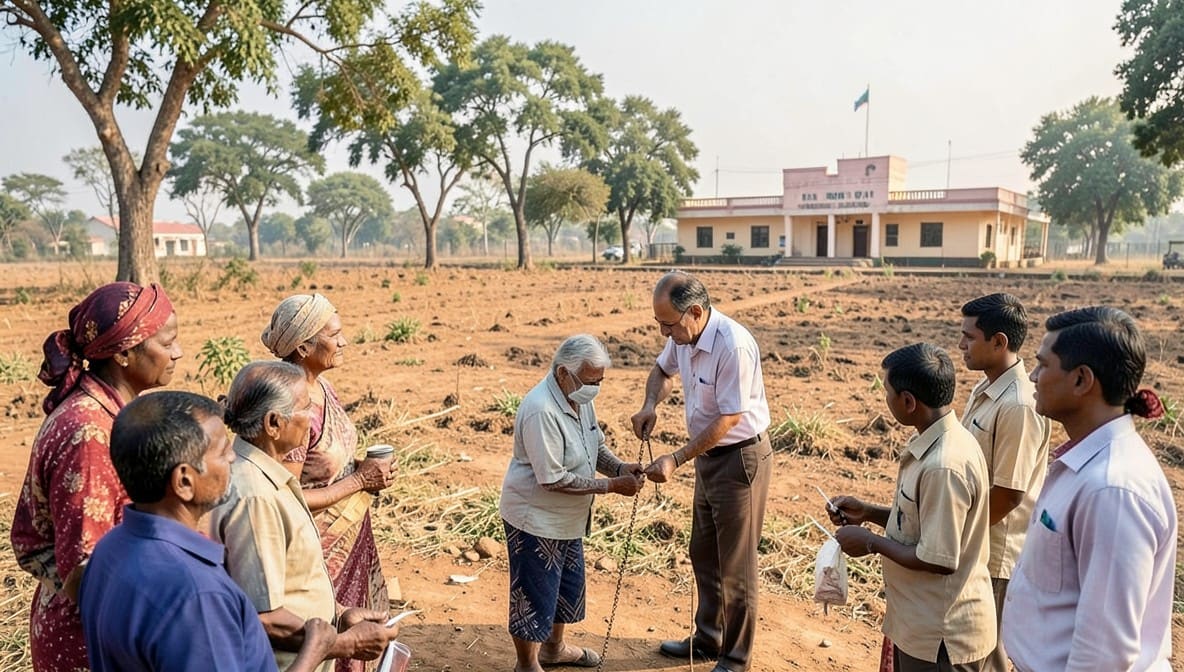
- 03.03.2022: Respondents No.1 to 5 made a representation to the Tahsildar, Devanahalli Taluk, requesting phodi and durasthi (demarcation and possession) work.
- W.P.No.15649/2022: Filed seeking a direction to the Tahsildar to consider their representation. Disposed of on 10.08.2022 with liberty to file an online application.
- 25.05.2023: The High Court directed the Tahsildar to carry out phodi and durasthi work forthwith.
- 14.12.2023: The Tahsildar issued Endorsements (LNDCR 32/2022-23, LNDCR 36/2022-23, LNDCR 37/2022-23, and LNDCR 38/2022-23), stating that phodi and durasthi could not be carried out due to missing documents and that the file was before the Missing File Reconstruction Committee.
- W.P.No.3776/2024 (KLR-LG): Filed by respondents No.1 to 5 to quash the endorsements and seek compliance with the 25.05.2023 directions. Allowed by Order dated 26.03.2024, quashing the endorsements and directing the Tahsildar to comply with the earlier order.
- Writ Appeal No.70/2025: Filed by the State challenging the 26.03.2024 order.
- Civil Contempt Petition No.1380/2024: Filed alleging wilful disobedience of the 26.03.2024 order.
The Parties' Positions
For the Appellants (State and Revenue Authorities)
- Contended that phodi and durasthi work could not be carried out due to:
- Non-availability of original grant documents (Saguvali Chit, Official Memorandum, Sketch, Challan).
- Discrepancies in survey records: Sy.No.21 originally measured 38 acres 37 guntas, but the RTC (Record of Rights, Tenancy and Crops) showed 41 acres 32 guntas. Only 12 acres 27 guntas remained after excluding 21 acres 10 guntas granted to others and 5 acres granted to the Horticulture Department.
- Forensic report suggesting fabrication of the 1984 grant order.
- Spot inspection report (26.12.2023) indicating that the respondents were not in actual possession of the land.
- District-Level Committee Meeting (27.04.2026) recording that:
- The grant order’s authenticity was referred to the Forensic Science Laboratory, which reported it as fabricated.
- The Saguvali Chit Register entries pertained to unrelated survey numbers.
- The mutation records (1984 - 85) did not support the respondents’ claim.
- The RTC entries (1989 - 97) appeared to have been inserted later.
- During a spot inspection (25.03.2026), respondents could not identify the land, and villagers confirmed the Horticulture Department’s possession.
For the Respondents (Grantees)
- Argued that:
- The validity of the 1984 grants had attained finality through multiple judicial orders, including the Division Bench judgment (04.07.2019) and dismissal of SLP (13.03.2023).
- The State’s plea of missing files was untenable, as the Assistant Commissioner had verified the grant records.
- The Horticulture Department was in illegal possession of 18 acres 6 guntas, despite only 5 acres being legally granted to it.
- The appellants’ conduct amounted to wilful disobedience of court orders, as phodi and durasthi directions were not complied with despite repeated opportunities and contempt proceedings.
Relief Sought
- Writ Appeal: Dismissal of the appeal and confirmation of the 26.03.2024 order.
- Contempt Petition: Action against the appellants for wilful disobedience of the 26.03.2024 order.
- Compliance: Direction to the Tahsildar to carry out phodi and durasthi work in respect of the 10 acres granted to respondents No.1 to 5.
The Legal Issue
The central question was whether the State could belatedly challenge the validity of a 1984 land grant on grounds of fraud and non-availability of land