The National Green Tribunal has issued a procedural order directing the formation of a joint state committee to investigate severe pollution of River Balwanti in Madhya Pradesh, reinforcing that environmental degradation cannot be addressed by isolated administrative action. This order establishes a clear framework for inter-agency accountability in pollution remediation.
Background & Facts
The Dispute
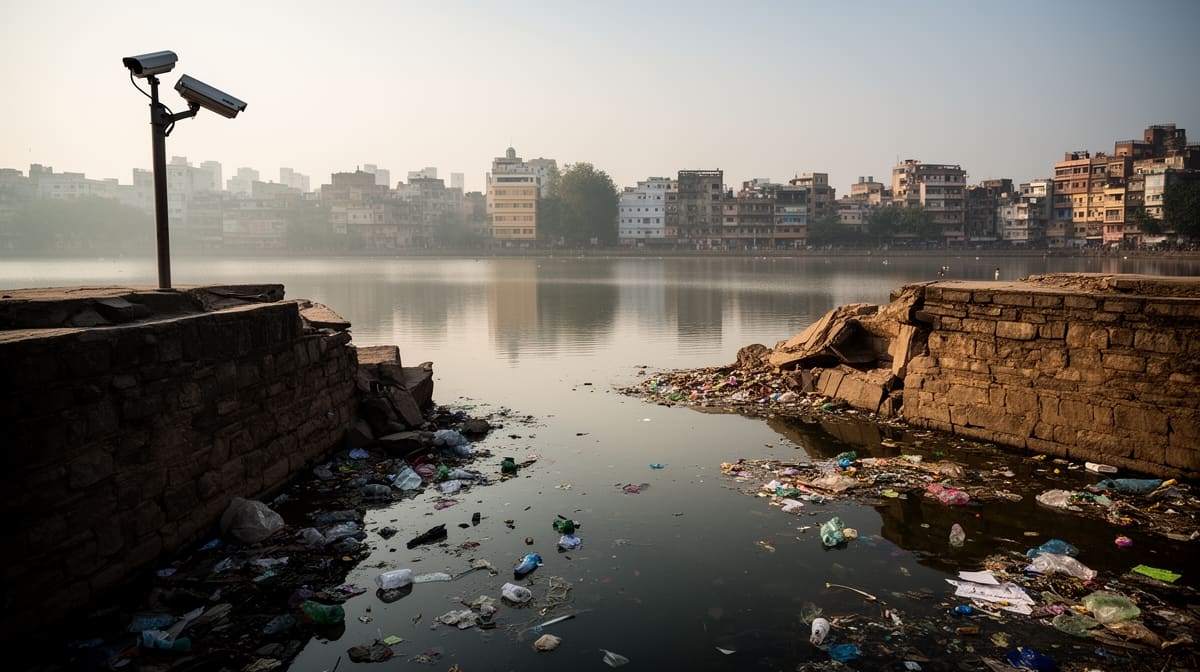
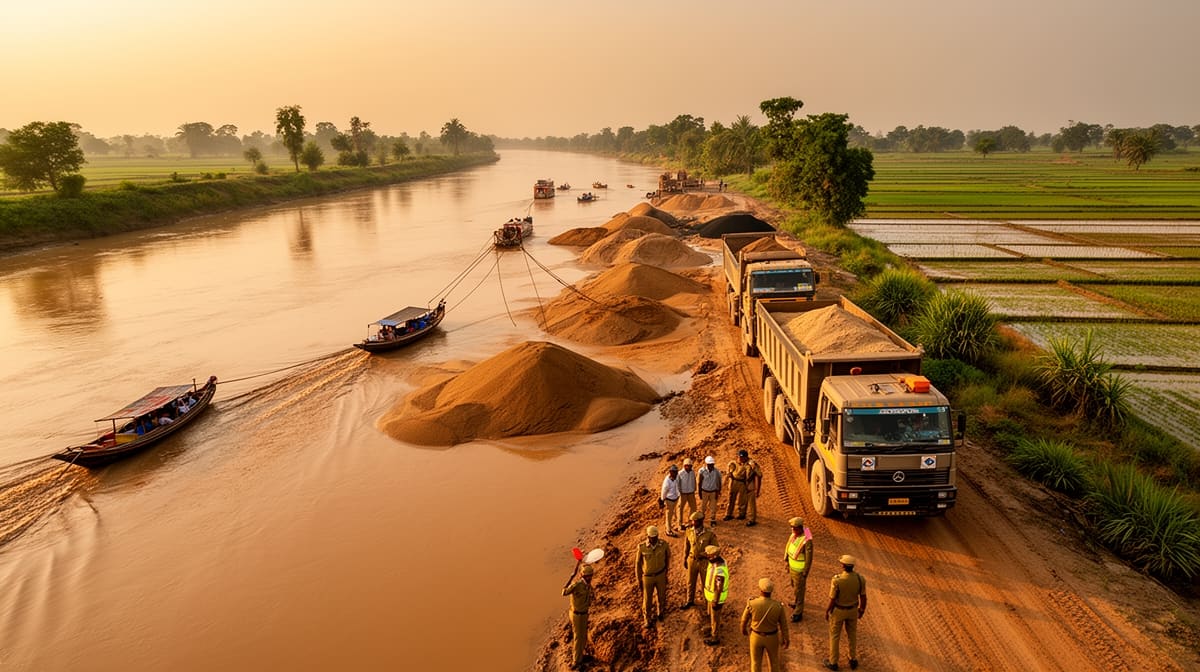
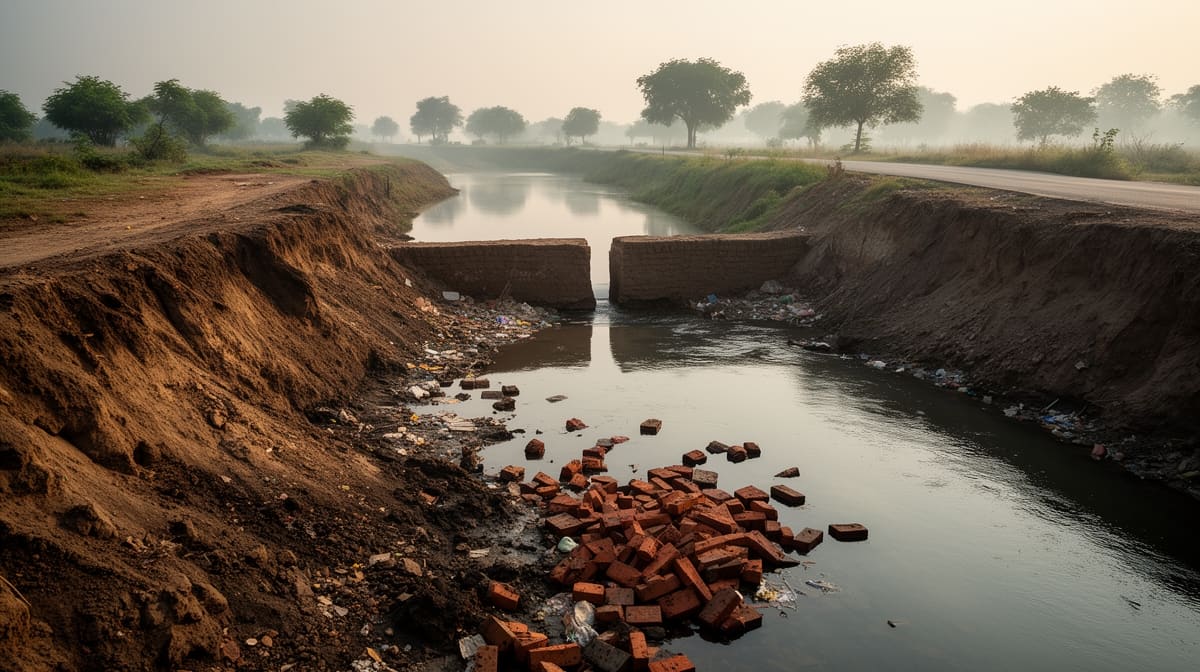
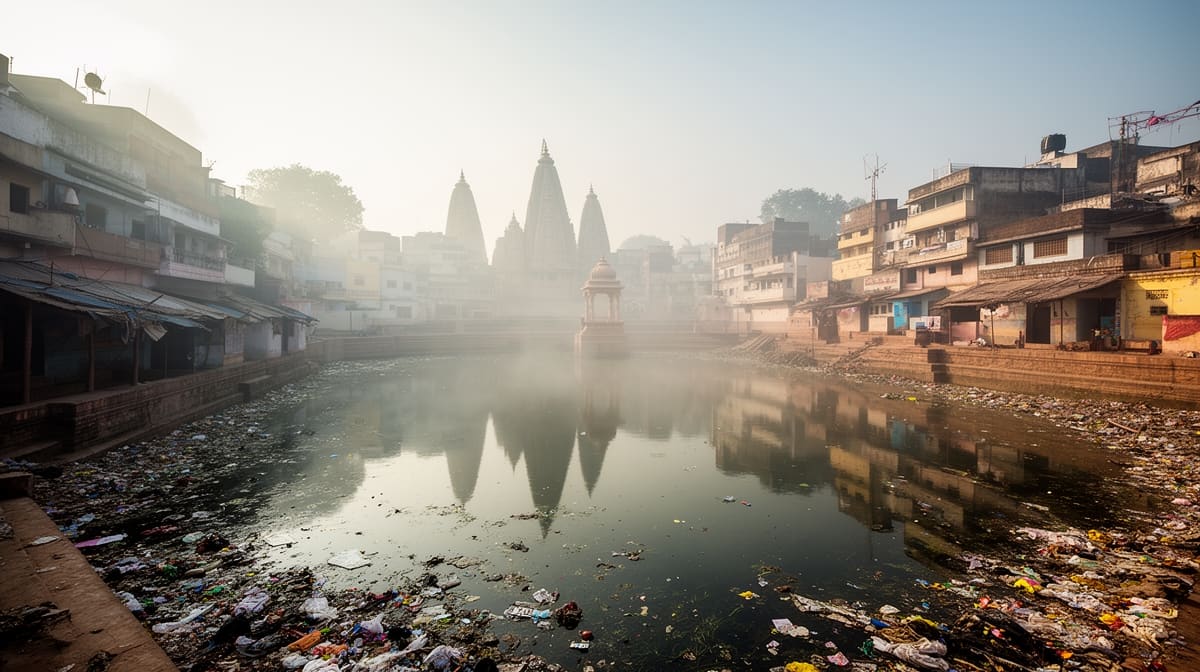
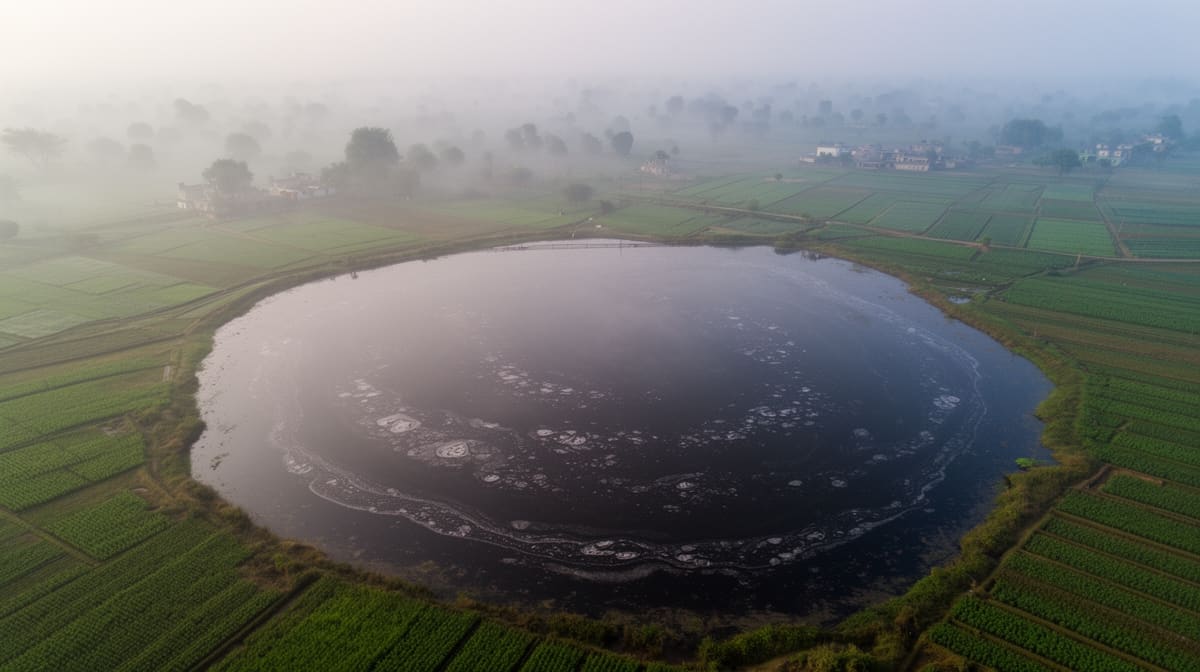
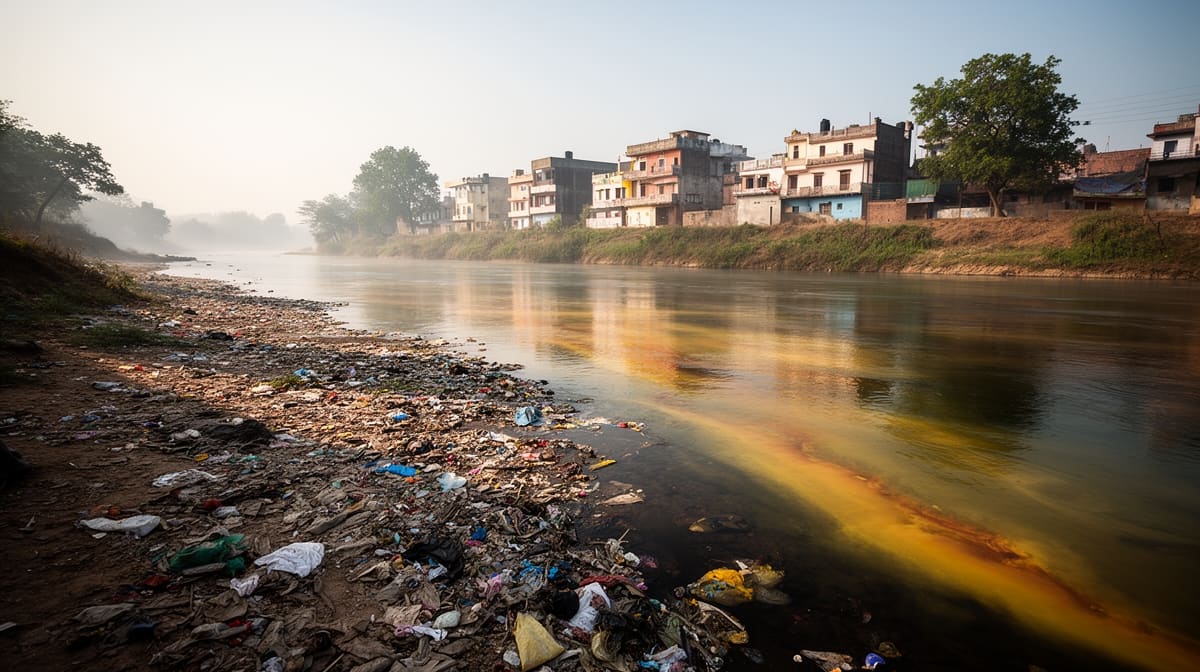
The applicant, Sanjay Kumbhare, raised concerns over acute environmental degradation of River Balwanti in the Nagar Parishad area of Badnawar, Dhar District. The river is being polluted by unregulated discharge of untreated sewage, solid waste from urban settlements, and runoff from illegal drains. The pollution has resulted in foul odors, contamination of groundwater, and documented health hazards for nearby residents, including respiratory and dermatological ailments.
Procedural History
The matter was originally filed as Original Application No.13/2026 (PB) and was renumbered as O.A. No.28/2026(CZ). No advocates appeared for either the applicant or the respondents. The Tribunal, acting on the basis of the application and visible environmental harm, proceeded ex parte to initiate remedial measures.
Relief Sought
The applicant sought immediate cessation of pollution sources, restoration of the river’s ecological integrity, and institutional accountability from municipal and state pollution control authorities.
The Legal Issue
The central question was whether the National Green Tribunal has the authority to direct the formation of a joint committee comprising state and local agencies to investigate and report on environmental violations in the absence of formal representation by parties.
Arguments Presented
For the Appellant/Petitioner
No advocate appeared for the applicant, and no formal arguments were presented. The application relied on factual assertions regarding pollution, supported by general references to the Environment (Protection) Act, 1986 and the principle of sustainable development under Article 21 of the Constitution.
For the Respondent/State
No advocate appeared for any respondent. No written or oral submissions were filed. The Tribunal proceeded on the basis of the applicant’s allegations and its own duty under the National Green Tribunal Act, 2010 to act suo motu in cases of evident environmental harm.
The Court's Analysis
The Tribunal emphasized that environmental degradation, particularly of a river system serving as a lifeline for local communities, constitutes a public nuisance and a violation of the right to a healthy environment under Article 21. The absence of legal representation does not preclude the Tribunal from exercising its jurisdiction under Section 14 of the NGT Act, which empowers it to take cognizance of environmental issues based on applications or suo motu initiative.
"The seriousness of the pollution, the impact on public health, and the failure of existing agencies to act necessitate immediate intervention by the Tribunal to ensure compliance with environmental norms."
The Court held that the principle of collective responsibility under environmental law requires coordination between the District Magistrate, the State Pollution Control Board, and the local municipal body. The Tribunal rejected the notion that procedural silence by respondents negates the duty to act. It further directed that reports must be submitted in searchable PDF format to ensure transparency and accessibility, reinforcing the digital accountability standard for environmental governance.
The Tribunal’s reliance on a joint committee reflects the multi-agency approach mandated by the National Environment Policy, 2006, and the Supreme Court’s ruling in M.C. Mehta v. Union of India, which emphasized institutional synergy in pollution control.
The Verdict
The applicant’s concerns were upheld. The National Green Tribunal directed the constitution of a joint committee comprising representatives of the District Magistrate and the Madhya Pradesh Pollution Control Board to investigate and submit a factual report within six weeks. The Tribunal retained jurisdiction to review the report and issue further directions.
What This Means For Similar Cases
Joint Committees Are Mandatory for Multi-Agency Pollution
- Practitioners must now file applications requesting the formation of joint committees in cases involving river pollution, urban sewage, or cross-jurisdictional environmental harm
- Failure to propose such a mechanism may weaken the efficacy of the petition
- The Tribunal will not wait for formal admissions of guilt - evident harm triggers its duty to act
Digital Reporting Is Now a Legal Requirement
- All submissions to the NGT must be in searchable PDF or OCR-supported format
- Image-based PDFs will be rejected outright, regardless of content
- Legal teams must ensure their documentation is machine-readable to avoid procedural dismissal
Procedural Silence Does Not Preclude Judicial Action
- The absence of respondents does not stall NGT proceedings
- The Tribunal may proceed ex parte when environmental harm is apparent
- Practitioners should treat non-appearance by state agencies as an opportunity to seek mandatory directives, not a barrier to relief