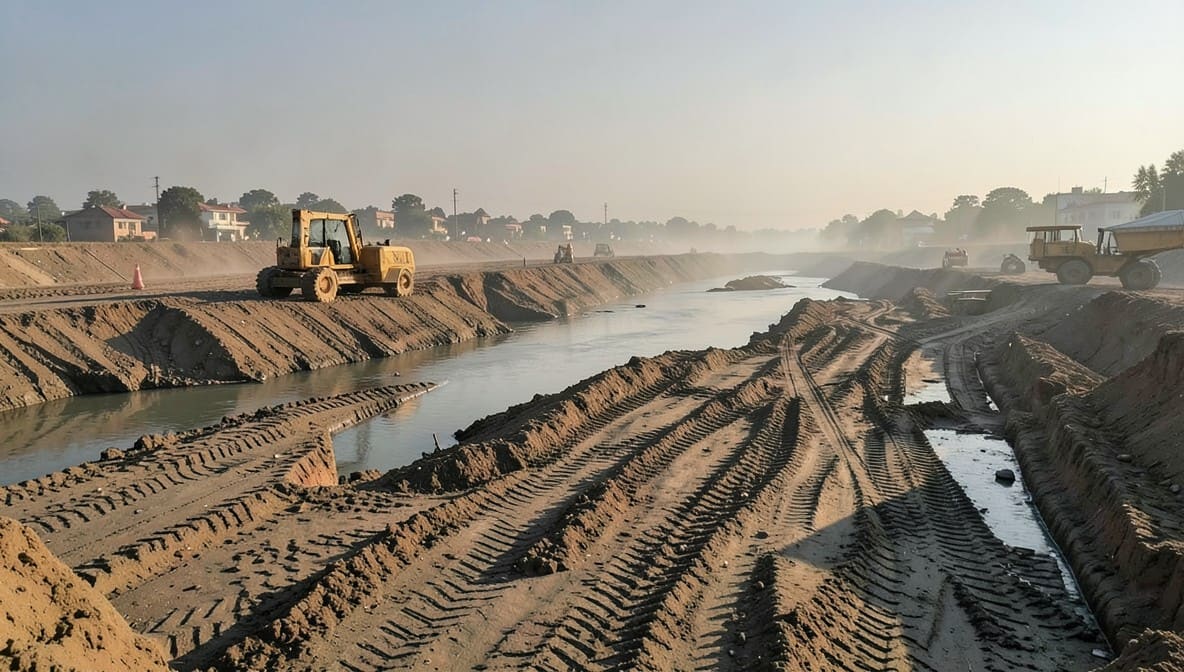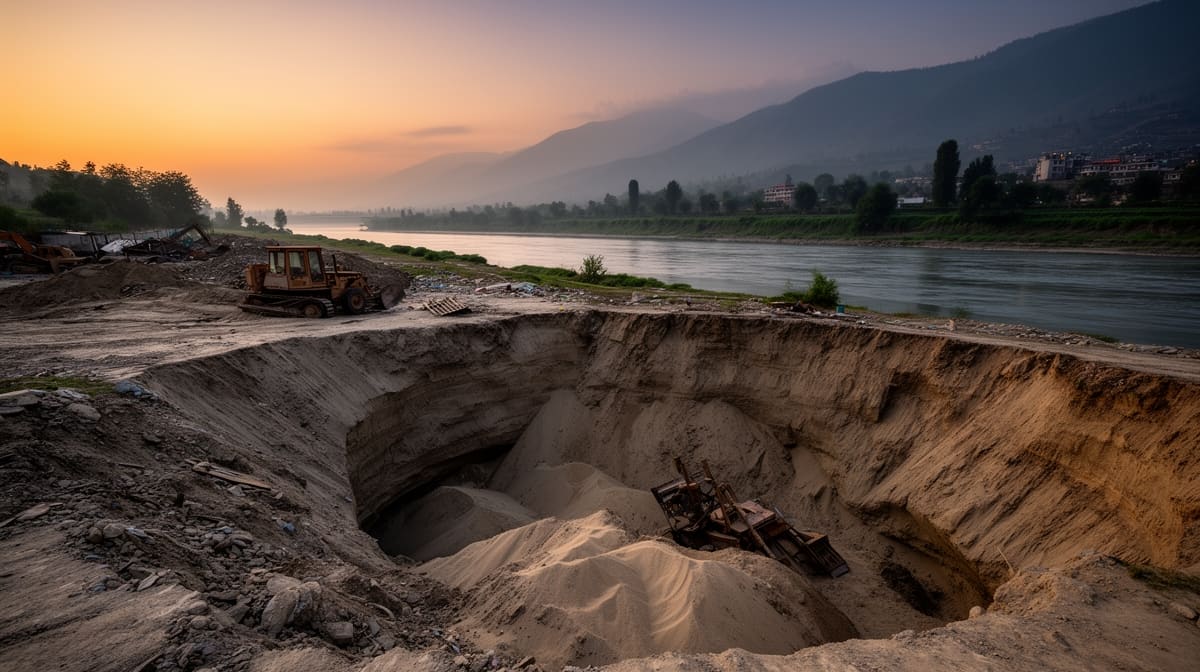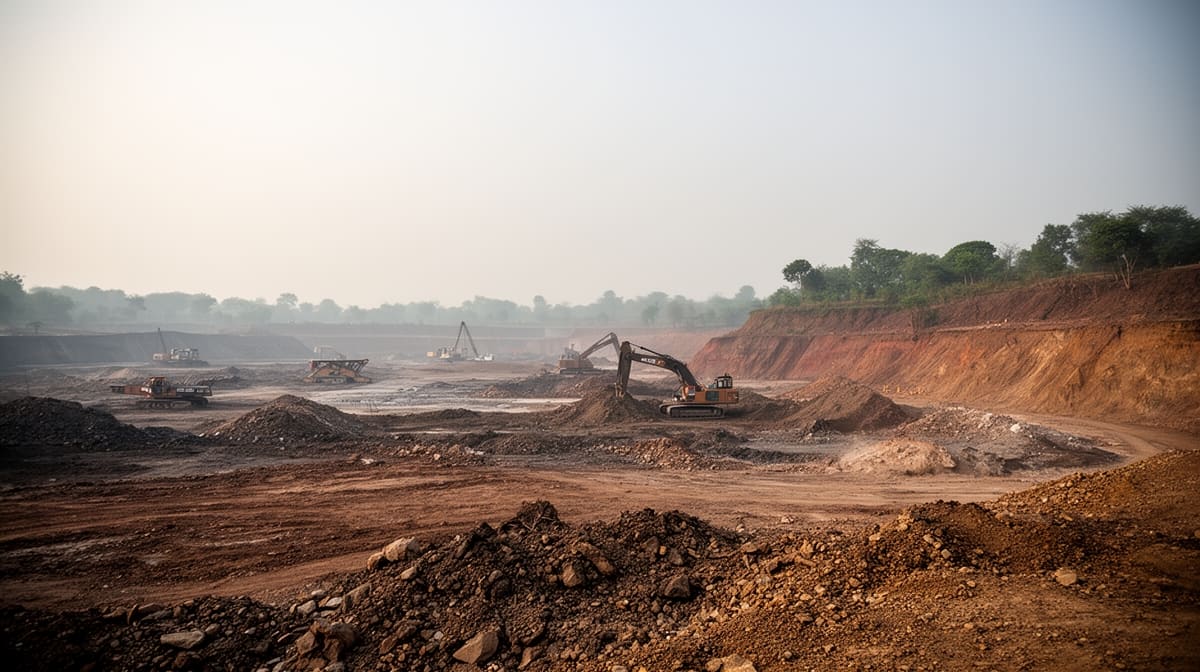
The National Green Tribunal's recent order in Chandrashekhar Gour v. State of Madhya Pradesh marks a critical intervention in ongoing illegal mining activities in Madhya Pradesh. The judgment underscores the Tribunal's role in enforcing environmental compliance and statutory obligations under the Mines and Minerals (Development and Regulation) Act, 1957 and the Environment (Protection) Act, 1986, while directing a joint committee to investigate violations and submit a factual report.
Background & Facts
The Dispute
The applicant, Chandrashekhar Gour, approached the National Green Tribunal (NGT) alleging large-scale illegal excavation, transportation, and commercial exploitation of mineral resources in District Sheopur, Madhya Pradesh. The violations were claimed to be in contravention of the Mines and Minerals (Development and Regulation) Act, 1957 (MMDR Act) and the Environment (Protection) Act, 1986, resulting in continuing environmental damage and failure of statutory authorities to enforce mining and environmental laws.
Procedural History
The dispute originated from the following key developments:
- 2022: FIR No. 0258/2022 was registered at Police Station Vijaypur, District Sheopur, for offences under Sections 4 and 21 of the MMDR Act and relevant provisions of the Indian Penal Code, concerning illegal excavation and transportation of minerals.
- The Office of the Collector (Mining Branch), District Sheopur, issued a communication to the Chief Executive Officer, Janpad Panchayat Vijaypur, directing details of mineral quantities utilized in Panchayat works for assessment of royalty and statutory dues.
- The applicant filed Original Application No. 36/2026(CZ) before the NGT, seeking intervention to address the continuing illegal mining activities and environmental violations.
Relief Sought
The applicant sought the following reliefs:
- Direction to the respondents to enforce compliance with the MMDR Act and Environment (Protection) Act, 1986.
- Investigation into the illegal mining activities and assessment of environmental damage.
- Action against statutory authorities for failure to enforce mining and environmental laws.
The Legal Issue
The central legal questions before the Tribunal were:
- Whether the alleged illegal mining activities constitute a continuing violation of the MMDR Act and Environment (Protection) Act, 1986, warranting the NGT's intervention.
- Whether the failure of statutory authorities to enforce mining and environmental laws attracts the jurisdiction of the NGT under its mandate to address environmental damage.
The Court's Analysis
The Tribunal, comprising Justice Sheo Kumar Singh and Expert Member Sudhir Kumar Chaturvedi, recognized the substantial issue of environmental damage raised by the applicant. The Court observed that the allegations pertained to continuing violations, which squarely fell within the NGT's jurisdiction under Section 14 of the National Green Tribunal Act, 2010.
The Tribunal emphasized the need for a factual investigation into the matter and directed the constitution of a Joint Committee comprising:
- A representative from the District Collector, Sheopur.
- A representative from the Member Secretary, Madhya Pradesh State Pollution Control Board (MPSPCB).
The Committee was tasked with visiting the site and submitting a factual and action-taken report within six weeks. The MPSPCB was designated as the nodal agency for coordination and logistic support. The Tribunal further directed the applicant to supply all relevant documents to the Committee and respondents within a week.
"We deem it just and proper to call a report on the matter in issue, in present application, from a Joint Committee consisting of: (i) One representative from the District Collector, Sheopur (M.P.) (ii) One representative from the Member Secretary, State Pollution Control Board, (M.P.)"
The Court also mandated that the report be submitted in a searchable PDF format to ensure accessibility and transparency.
The Verdict
The Tribunal issued the following directions:
- The respondents were directed to submit their reply within six weeks through the e-filing portal.
- A Joint Committee was constituted to investigate the illegal mining activities and submit a factual report by 10 April 2026.
- The applicant was directed to ensure service of notices and documents to the respondents and the Committee, followed by an affidavit confirming compliance.
What This Means For Similar Cases
Enforcement of Statutory Compliance
The judgment reinforces the NGT's proactive role in ensuring compliance with mining and environmental laws. Practitioners should note:
- The Tribunal's willingness to intervene in cases of continuing environmental violations, even where criminal proceedings are pending.
- The importance of documentary evidence to substantiate claims of illegal mining and environmental damage.
Role of Joint Committees in Environmental Disputes
The constitution of a Joint Committee highlights the NGT's preference for fact-finding through expert bodies. Key takeaways include:
- Collaborative investigation: The involvement of multiple statutory authorities ensures a comprehensive assessment of environmental violations.
- Nodal agency responsibility: The designation of the State Pollution Control Board as the nodal agency underscores the importance of coordination in environmental disputes.
Procedural Directions for Practitioners
The Tribunal's directions offer critical guidance for future litigants:
- Service of documents: Applicants must ensure timely service of notices and documents to all parties and committees, supported by an affidavit.
- Format of submissions: Reports and replies must be submitted in searchable PDF format, emphasizing the NGT's focus on accessibility and transparency.
- Timeline compliance: Strict adherence to timelines for submissions and reports is essential to avoid procedural setbacks.