The Customs, Excise and Service Tax Appellate Tribunal has clarified a long-standing ambiguity in the classification of glucometers under the Customs Tariff, affirming that these devices qualify as instruments for chemical analysis and are eligible for duty exemption under Notification No. 24/2005-Cus. This decision resolves conflicting interpretations across adjudicating authorities and reinforces the primacy of HSN Explanatory Notes in tariff classification.
Background & Facts
The Dispute
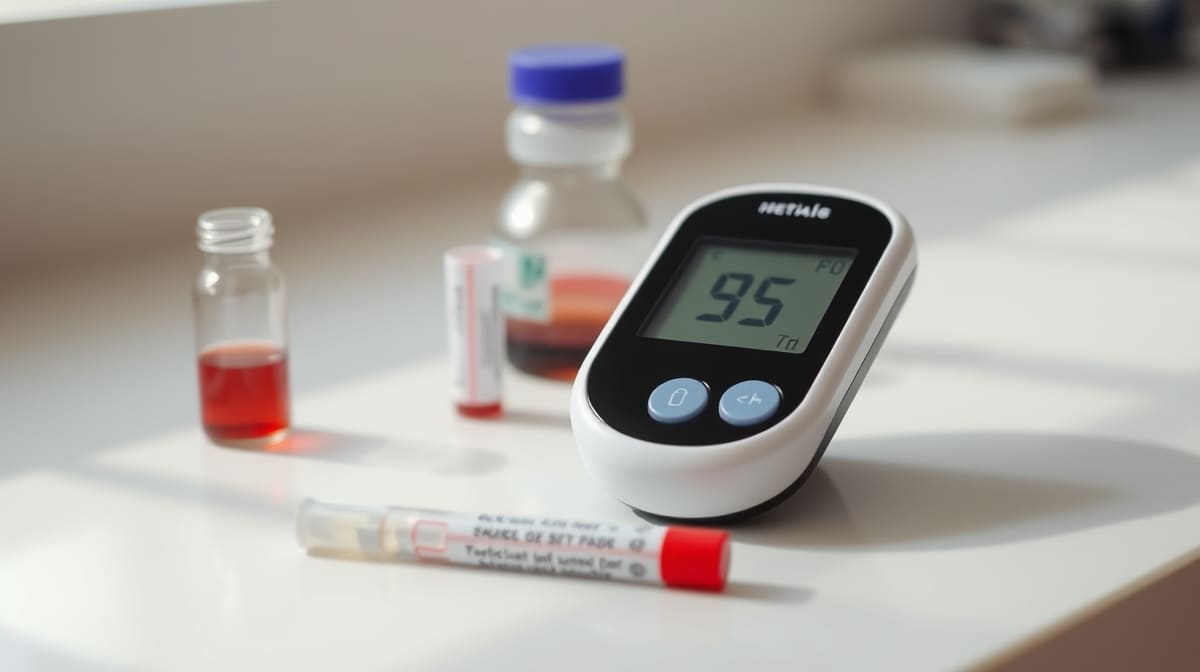
The appellant, M/s. Aspen Diagnostics Pvt. Ltd., imports disposable medical items including blood glucose meters, urine analyzers, and blood gas and chemistry analyzers. Between 04.09.2020 and 27.12.2021, the appellant imported 66 consignments of blood glucose meters (glucometers) and classified them under Customs Tariff Item (CTI) 9027 80 90, claiming exemption from Basic Customs Duty under Sl. No. 35 of Notification No. 24/2005-Cus dated 01.03.2005. The Revenue contested this classification, asserting that glucometers should be classified under CTI 9018 90 99 as medical diagnostic instruments, thereby attracting a 10% Basic Customs Duty and triggering a penalty for underpayment.
Key Facts
- The appellant has been engaged in the import of medical diagnostic equipment since 1995.
- The subject goods include glucometers such as the "Breeze 2 Meter," comprising the device and user guide, without test strips or lancets.
- The appellant discharged Integrated Goods and Services Tax (IGST) at 12% for glucometers under Sl. No. 212 of Schedule II to the IGST Notification, and 18% for other analyzers under Sl. No. 417 of Schedule III.
- The Revenue issued a Show Cause Notice dated 02.09.2022, demanding differential duty and penalty on the ground that the goods were misclassified.
- The appellant relied on the Tribunal’s earlier decision in Bayer Pharmaceuticals Pvt. Ltd. v. Commissioner of Customs, Mumbai and the subsequent affirmation by the Supreme Court.
Procedural History
- 04.09.2020 to 27.12.2021: Import of 66 consignments of glucometers under CTI 9027 80 90.
- 02.09.2022: Show Cause Notice issued by Commissioner of Customs (Import), New Delhi.
- 30.03.2024: Order-in-Original passed by Commissioner of Customs (Import), New Delhi, confirming classification under CTI 9018 90 99, demanding duty and imposing penalty.
- 05.05.2026: Hearing before the Customs Appellate Tribunal, Principal Bench, New Delhi.
- 15.05.2026: Final Order No. 50901/2026 issued by the Tribunal.
The Parties' Positions
For the Appellant
The appellant argued that glucometers are instruments for chemical analysis, as they perform a chemical reaction to measure glucose concentration in blood. The essential function is not diagnosis per se, but quantitative chemical analysis. The appellant relied on the HSN Explanatory Notes, which explicitly exclude laboratory instruments for testing blood from Heading 9018 and place them under Heading 9027. The appellant also cited binding precedents: Bayer Pharmaceuticals Pvt. Ltd. and Abbott Healthcare (P) Ltd., both affirmed by the Supreme Court in Customs (Civil) Appeal No. 2429-2430 of 2026 dated 23.02.2026.
For the Respondent
The Revenue contended that glucometers are medical diagnostic instruments used in clinical settings and therefore fall squarely under CTI 9018 90 99, which covers instruments used in medical, surgical, or dental sciences. The Revenue argued that the end-use of the device - diagnosing blood sugar levels - makes it a medical instrument, irrespective of the underlying chemical process.
Relief Sought
The appellant sought: (1) setting aside of the impugned order dated 30.03.2024; (2) confirmation of classification under CTI 9027 80 90; (3) refund of any duty paid under protest; (4) cancellation of penalty; and (5) consequential relief.
The Legal Issue
The central question was whether blood glucose meters should be classified under CTI 9027 80 90 as instruments for chemical analysis or under CTI 9018 90 99 as medical diagnostic instruments, and whether the exemption under Notification No. 24/2005-Cus applies.
Arguments Presented
For the Appellant
The appellant relied on the binding precedent established in Bayer Pharmaceuticals Pvt. Ltd. v. Commissioner of Customs, Mumbai, wherein the Tribunal held that glucometers perform chemical analysis by detecting glucose concentration through enzymatic reaction, making them fall under Heading 9027. The appellant emphasized Rule 3 of the General Rules for Interpretation of the Customs Tariff, which mandates preference for a more specific description over a general one. The HSN Explanatory Notes to Heading 9018 explicitly exclude laboratory instruments for testing blood, tissue fluids, or urine, directing such items to Heading 9027. The appellant further noted that glucometers are predominantly used by individuals at home, not by medical professionals in clinical settings, undermining the argument that they are "used in medical sciences" as required by Heading 9018. The Supreme Court’s affirmation of this view rendered the issue res integra.
For the Respondent
The Respondent contended that the primary purpose of glucometers is to diagnose diabetes, a medical condition, and therefore they are inherently medical devices. The Revenue argued that the classification should be based on end-use rather than the mechanism of action. It cited the broad language of Heading 9018, which covers instruments "used in medical... sciences," and asserted that the exclusion in the HSN Notes was not intended to override the primary function of the device.
The Court's Analysis
The Tribunal undertook a detailed analysis of the competing headings and the HSN Explanatory Notes. It observed that Heading 9027 specifically covers "instruments and apparatus for physical or chemical analysis," while Heading 9018 covers instruments "used in medical, surgical, dental or veterinary sciences." The Tribunal applied Rule 1 and Rule 3 of the General Rules for Interpretation, which require classification to be determined by the terms of the headings and that a specific description prevails over a general one.
"The essential function of a Glucose meter is to draw the blood as well as test the blood for Glucose level. The testing of blood and then its analysis for indicating blood sugar content as revealed by the Glucometer is undisputedly the outcome of a chemical analysis. That is, the Glucometer is an instrument for chemical analysis."
The Tribunal further emphasized the HSN Explanatory Note to Heading 9018, which states: "This heading does not cover, instruments and appliances in laboratories to test blood, tissue fluids, urine etc. whether or not such tests serve in diagnosis (generally Heading 90.27)." The Tribunal held that this exclusion is decisive. It noted that glucometers, even when used in homes, perform the same chemical analysis as those used in laboratories. The fact that they are portable or used by laypersons does not alter their technical function.
The Tribunal rejected the Revenue’s argument that end-use determines classification, stating that the Customs Tariff is based on the objective characteristics and properties of the goods, not their subjective application. It affirmed that the classification in Bayer Pharmaceuticals and Abbott Healthcare was not only binding but had been upheld by the Supreme Court, making the issue res judicata.
The Verdict
The appeal was allowed. The Tribunal set aside the impugned order dated 30.03.2024. The goods imported by the appellant were held to be correctly classified under CTI 9027 80 90, and are entitled to the exemption under Notification No. 24/2005-Cus dated 01.03.2005. Any duty paid on account of the erroneous classification shall be refunded without interest. The penalty imposed is cancelled. Consequential relief, including adjustment of IGST credits, shall be granted as per law.
What This Means For Similar Cases
Classification Must Follow Technical Function, Not End-Use
- Practitioners must analyze the technical mechanism of medical devices, not their clinical application, when determining tariff classification.
- Devices performing chemical or physical analysis of bodily fluids - even if used for diagnosis - fall under Heading 9027 if they meet the HSN Explanatory Notes’ criteria.
- Arguments based on "medical use" alone are insufficient; the specific language of the tariff headings and HSN Notes must govern.
HSN Explanatory Notes Are Binding in Classification Disputes
- The Tribunal reaffirmed that HSN Explanatory Notes are authoritative for interpreting tariff headings under Rule 1 of the General Rules.
- Exclusions in the Notes, such as the one for laboratory blood testing instruments, override general descriptions in headings.
- Importers may rely on these Notes to challenge classifications that mischaracterize analytical devices as medical instruments.
Precedents from CESTAT and Supreme Court Are Binding Across Jurisdictions
- The decision in Bayer Pharmaceuticals and its affirmation by the Supreme Court now constitute binding precedent for all Customs authorities.
- Adjudicating officers must apply this classification uniformly to all glucometers, regardless of brand or importer.
- Future Show Cause Notices classifying glucometers under CTI 9018 90 99 are legally unsustainable and subject to immediate reversal on appeal.