Punjab and Haryana High Court judgments

776 Punjab and Haryana High Court judgments explained in plain English: what was decided, the law applied and why it matters. Page 17 of 33.

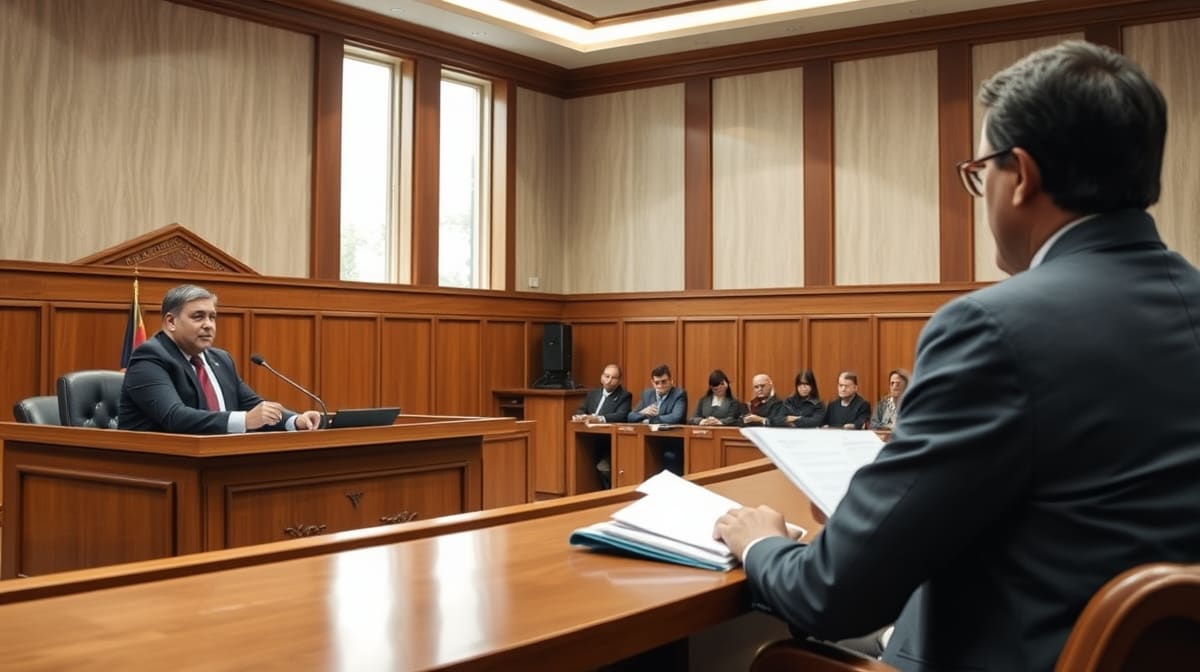
Section 483 BNSS | Second Bail Petition Maintainable for Undertrials Detained Over Five Years Despite Serious Offence: Punjab & Haryana HC
Case Law Analysis
|Punjab and Haryana High Court

Section 483 BNSS | Second Bail Petition Maintainable for Undertrials Detained Over Five Years Despite Serious Offence: Punjab & Haryana HC

The Punjab & Haryana High Court has ruled that prolonged undertrial incarceration exceeding five years, coupled with prosecutorial delay, justifies granting regular bail even in murder cases, affirming that a second bail petition is legally maintainable upon demonstrating substantial change in circumstances under Section 483 BNSS. This sets a critical precedent for undertrials languishing in custody without trial, reinforcing the right to liberty over procedural rigidity.


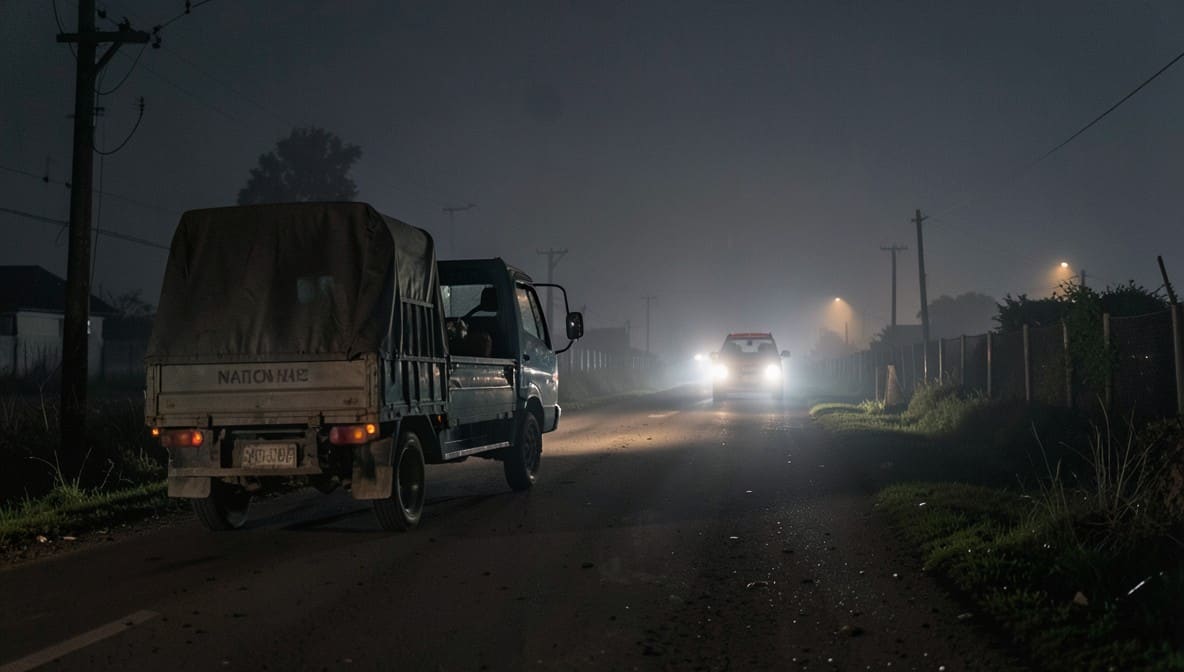
Loss of Consortium for Unmarried Deceased | Siblings & Father Entitled to Rs. 48,400 Each Under Tort Law : Punjab & Haryana HC
Case Law Analysis
|Punjab and Haryana High Court

Loss of Consortium for Unmarried Deceased | Siblings & Father Entitled to Rs. 48,400 Each Under Tort Law : Punjab & Haryana HC

Punjab & Haryana HC expands loss of consortium compensation beyond traditional dependents, awarding Rs. 48,400 each to the father, brother, and sister of an unmarried deceased under tort law. The ruling sets a precedent for including non-spousal family members in consortium claims, enhancing compensation payable by insurers within 45 days with 6% interest.

Contempt of Court | Alternate Remedies Under Section 340 CrPC Bar Contempt Proceedings: Punjab & Haryana HC
Case Law Analysis
|Punjab and Haryana High Court

Contempt of Court | Alternate Remedies Under Section 340 CrPC Bar Contempt Proceedings: Punjab & Haryana HC

The Punjab & Haryana High Court ruled that contempt proceedings cannot be initiated if alternate remedies, such as those under Section 340 CrPC, are available. The decision underscores that contempt jurisdiction is a last resort, applicable only when no other legal recourse exists, impacting litigants and practitioners in family and criminal law matters.

Successive Anticipatory Bail Petitions Maintainable on Material Change in FSL Report Under NDPS Act : Punjab & Haryana HC
Case Law Analysis
|Punjab and Haryana High Court

Successive Anticipatory Bail Petitions Maintainable on Material Change in FSL Report Under NDPS Act : Punjab & Haryana HC

Punjab & Haryana HC rules that a second anticipatory bail petition is maintainable if the FSL report reveals a substantial change in the nature of recovered substances-here, only 50 of 1,030 tablets were narcotic. The ruling clarifies that material changes in forensic evidence justify reconsideration of bail under Section 482 BNSS, even after initial dismissal.

Section 482 BNSS | Negligence Without Criminal Intent Insufficient for Custodial Arrest in Religious Sentiment Cases : Punjab & Haryana HC
Case Law Analysis
|Punjab and Haryana High Court

Section 482 BNSS | Negligence Without Criminal Intent Insufficient for Custodial Arrest in Religious Sentiment Cases : Punjab & Haryana HC

The Punjab & Haryana High Court ruled that mere negligence in handling sacred texts, absent criminal intent or active participation, does not warrant custodial interrogation. The decision underscores that anticipatory bail under BNSS Section 482 must be granted where allegations are based on documentary evidence and delayed FIRs, particularly in cases involving religious sentiments.

Section 319 CrPC | Trial Evidence Overrides Investigative Findings in Summoning Additional Accused : Punjab & Haryana HC
Case Law Analysis
|Punjab and Haryana High Court

Section 319 CrPC | Trial Evidence Overrides Investigative Findings in Summoning Additional Accused : Punjab & Haryana HC

The Punjab & Haryana High Court ruled that courts can summon an additional accused under Section 319 CrPC based on trial testimony, even if the investigation had previously cleared them. This underscores judicial discretion to prioritize in-court evidence over investigative conclusions, impacting criminal trial strategy and procedural fairness.

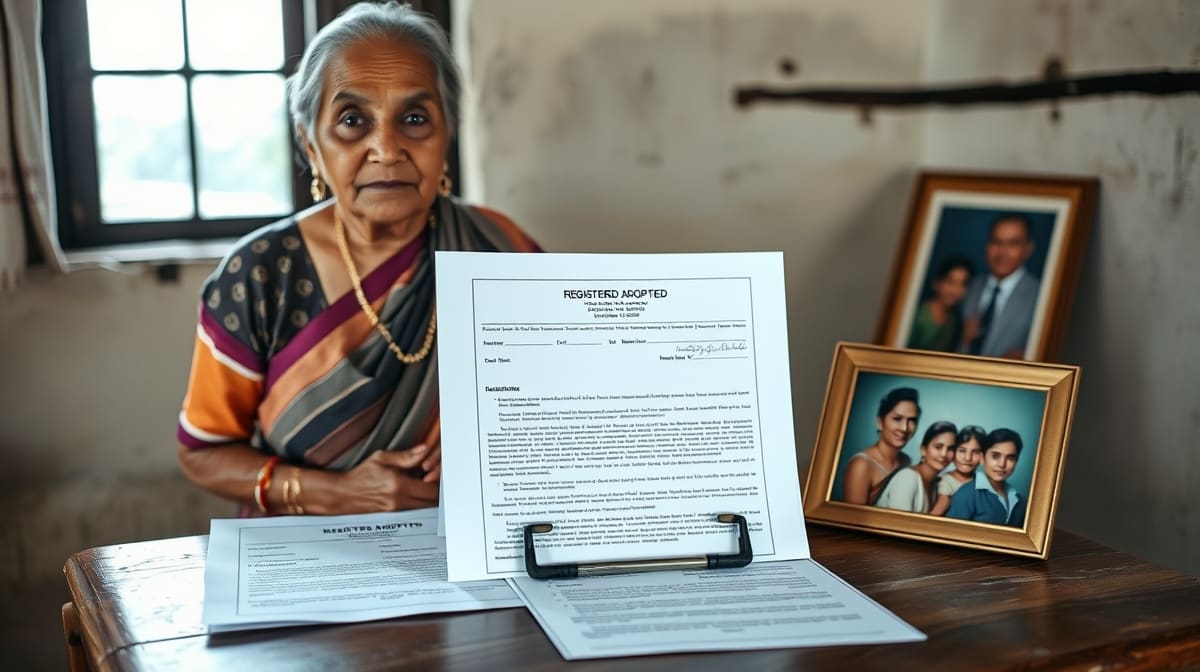
Meo Customary Law | Widow’s Adoption Valid Without Collateral Consent, Extinguishes Reversionary Rights : Punjab & Haryana HC
Case Law Analysis
|Punjab and Haryana High Court

Meo Customary Law | Widow’s Adoption Valid Without Collateral Consent, Extinguishes Reversionary Rights : Punjab & Haryana HC

The Punjab & Haryana High Court ruled that under Meo customary law, a widow’s adoption of her daughter’s son is valid even without the consent of her husband’s collaterals. The court held that a registered adoption deed and conduct suffice to extinguish reversionary rights, making lineage and formalities directory rather than mandatory.

Section 138 NI Act | Separate Cheques from Single Loan Transaction Permit Multiple Complaints; Spouse Issuing Cheque Bears Independent Liability : Punjab & Haryana HC
Case Law Analysis
|Punjab and Haryana High Court

Section 138 NI Act | Separate Cheques from Single Loan Transaction Permit Multiple Complaints; Spouse Issuing Cheque Bears Independent Liability : Punjab & Haryana HC

Punjab & Haryana HC rules that cheques issued for a single loan transaction by different drawers (including a spouse) can each trigger independent Section 138 NI Act complaints. The court rejects the defence of 'security cheques' without evidence, holding the spouse who issued the cheque personally liable for dishonour, regardless of the primary debtor’s status.

Collusive Decree on Ancestral Coparcenary Property Void Ab Initio | Birthright as Coparcener Grants Locus to Challenge Without Documentary Proof : Punjab & Haryana HC
Case Law Analysis
|Punjab and Haryana High Court

Collusive Decree on Ancestral Coparcenary Property Void Ab Initio | Birthright as Coparcener Grants Locus to Challenge Without Documentary Proof : Punjab & Haryana HC

Punjab & Haryana High Court rules that a collusive decree transferring ancestral coparcenary property is void from the outset. A coparcener’s birthright alone grants legal standing to challenge such decrees, even in the absence of documentary proof, if oral evidence and conduct establish the property’s ancestral nature. The ruling reinforces the protection of coparcenary rights under Hindu succession law.

Article 21 | Abandoned Public Works Must Be Restored to Prevent Public Harm; HC Mandates Gram Panchayat to Act on Rehabilitation Within 6 Weeks : Punjab & Haryana HC
Case Law Analysis
|Punjab and Haryana High Court

Article 21 | Abandoned Public Works Must Be Restored to Prevent Public Harm; HC Mandates Gram Panchayat to Act on Rehabilitation Within 6 Weeks : Punjab & Haryana HC

The Punjab & Haryana High Court has ruled that leaving a 20-foot-deep pit from a defunct waste project violates citizens' right to life under Article 21 due to risks of injury and disease. It has directed the Gram Panchayat to decide on restoration within one month and implement it within six weeks if the claim is meritorious, setting a precedent for post-project environmental accountability by local bodies.

Section 406/420 IPC | Non-Return of Property Commission Without Dishonest Intent Is Civil Dispute, Not Criminal Offence : Punjab & Haryana HC
Case Law Analysis
|Punjab and Haryana High Court

Section 406/420 IPC | Non-Return of Property Commission Without Dishonest Intent Is Civil Dispute, Not Criminal Offence : Punjab & Haryana HC

The Punjab & Haryana High Court has ruled that a property dealer’s retention of commission after a cancelled land deal, without proof of initial dishonest intent, cannot be prosecuted under Sections 406 or 420 IPC. This clarifies that contractual disputes over commissions, even when substantial, remain civil remedies unless criminal mens rea is established - protecting intermediaries from misuse of criminal law in commercial disagreements.

Order VI Rule 17 CPC | Non-Disclosure of Subsequent Sale Justifies Amendment of Plaint to Implead Necessary Party : Punjab & Haryana HC
Case Law Analysis
|Punjab and Haryana High Court

Order VI Rule 17 CPC | Non-Disclosure of Subsequent Sale Justifies Amendment of Plaint to Implead Necessary Party : Punjab & Haryana HC

Punjab & Haryana HC rules that a plaintiff’s delayed application for amending the plaint to implead a subsequent purchaser is justified when the defendant concealed the sale. The court held that amendments under Order VI Rule 17 CPC must be allowed to determine the real dispute, ensuring substantive justice prevails over procedural technicalities.

Arbitration Clause Bars Bank Guarantee Encashment | Punjab & Haryana HC Restrains Unilateral Recovery Pending Arbitration
Case Law Analysis
|Punjab and Haryana High Court

Arbitration Clause Bars Bank Guarantee Encashment | Punjab & Haryana HC Restrains Unilateral Recovery Pending Arbitration

The Punjab & Haryana High Court ruled that performance bank guarantees cannot be encashed unilaterally when contractual disputes exist and an arbitration clause is operative. The court directed the petitioner to initiate arbitration within 45 days while restraining the respondent from encashing the guarantee, reinforcing the primacy of arbitration agreements in commercial disputes.

Order 18 Rule 3A CPC | Trial Court Discretion Upholds Party's Late Examination as Witness If Reasons Recorded : Punjab & Haryana HC
Case Law Analysis
|Punjab and Haryana High Court

Order 18 Rule 3A CPC | Trial Court Discretion Upholds Party's Late Examination as Witness If Reasons Recorded : Punjab & Haryana HC

The Punjab & Haryana High Court ruled that Order 18 Rule 3A CPC is directory, not mandatory, allowing a party to be examined as a witness after other witnesses if the trial court records valid reasons and no prejudice is caused. This affirms judicial discretion and waiver principles, ensuring procedural fairness in civil litigation.

Workmen's Compensation Act | Functional Incapacity, Not Physical Injury, Determines Total Disablement : Punjab & Haryana HC Upholds Rs. 73,100 Award
Case Law Analysis
|Punjab and Haryana High Court

Workmen's Compensation Act | Functional Incapacity, Not Physical Injury, Determines Total Disablement : Punjab & Haryana HC Upholds Rs. 73,100 Award

The Punjab & Haryana High Court ruled that total disablement under the Workmen’s Compensation Act, 1923, is assessed based on the worker’s inability to perform pre-accident duties, not merely the extent of physical injury. The Court upheld Rs. 73,100 compensation for a Foreman who lost four fingers, emphasizing functional incapacity over medical impairment.

Section 438 CrPC | Direct Financial Benefit from Fraud Establishes Prima Facie Participation, Bars Anticipatory Bail : Punjab & Haryana HC
Case Law Analysis
|Punjab and Haryana High Court

Section 438 CrPC | Direct Financial Benefit from Fraud Establishes Prima Facie Participation, Bars Anticipatory Bail : Punjab & Haryana HC

The Punjab & Haryana High Court ruled that an employee accused of financial fraud cannot claim mere employment as a defense if evidence shows direct receipt of misappropriated funds. The court held that Rs. 52.11 lakh credited to the petitioner’s account constituted active participation, justifying denial of anticipatory bail under Section 438 CrPC. This sets a precedent for scrutinizing financial trails in employee-related fraud cases.

Pre-Existing Condition Under Health Insurance Must Be Diagnosed, Not Merely Symptomatic : Punjab & Haryana HC Upholds Ombudsman Award
Case Law Analysis
|Punjab and Haryana High Court

Pre-Existing Condition Under Health Insurance Must Be Diagnosed, Not Merely Symptomatic : Punjab & Haryana HC Upholds Ombudsman Award

Punjab & Haryana High Court rules that persistent symptoms like pain and swelling, without a confirmed medical diagnosis, cannot be classified as a pre-existing condition under health insurance policies. The judgment reinforces that insurers must base exclusions on formal diagnoses, not clinical symptoms alone, impacting claim settlements for policyholders.

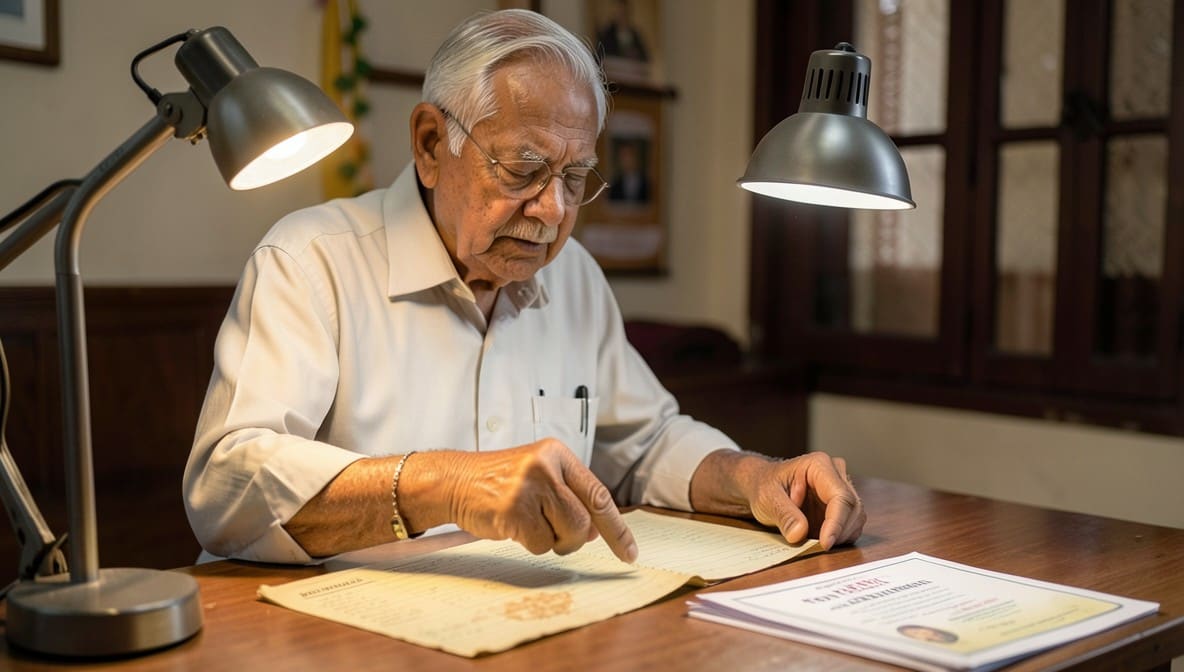
Fundamental Rules Bar Belated Date of Birth Corrections After 5 Years of Service | Punjab & Haryana HC Upholds Retirement Age Based on Unchallenged Service Records
Case Law Analysis
|Punjab and Haryana High Court

Fundamental Rules Bar Belated Date of Birth Corrections After 5 Years of Service | Punjab & Haryana HC Upholds Retirement Age Based on Unchallenged Service Records

Punjab & Haryana High Court dismisses petitions seeking date of birth alteration after 32 years, ruling that corrections under Fundamental Rules must be sought within five years of appointment. The court held that unchallenged service records govern retirement age, barring belated claims even if supported by school certificates.

Section 482 BNSS | Judicial Rejection of Complaint Bars Subsequent FIR on Same Facts : Punjab & Haryana HC Reinforces Abuse of Process Doctrine
Case Law Analysis
|Punjab and Haryana High Court

Section 482 BNSS | Judicial Rejection of Complaint Bars Subsequent FIR on Same Facts : Punjab & Haryana HC Reinforces Abuse of Process Doctrine

The Punjab & Haryana High Court ruled that registration of an FIR after judicial dismissal of the same complaint constitutes abuse of process, prohibiting police from re-litigating identical facts without fresh evidence. This decision strengthens judicial finality under Bharatiya Nagarik Suraksha Sanhita, protecting accused from vexatious re-prosecution.

ACP Benefits Under 2003 Regularization Policy | Litigation on 2014 Policy Does Not Bar Second ACP : Punjab & Haryana HC
Case Law Analysis
|Punjab and Haryana High Court

ACP Benefits Under 2003 Regularization Policy | Litigation on 2014 Policy Does Not Bar Second ACP : Punjab & Haryana HC

Employees regularized under the 2003 Haryana Civil Services policy are entitled to second Assured Career Progression (ACP) benefits regardless of pending litigation on the 2014 policy. The Punjab & Haryana HC ruled that withholding ACP benefits violates Articles 14 and 16, mandating unconditional payment with 12% interest and arrears from 01.10.2019 for affected employees.

Natural Justice in De Novo Departmental Enquiry | Fresh Chargesheet Mandatory After Court-Ordered Re-Inquiry : Punjab & Haryana HC
Case Law Analysis
|Punjab and Haryana High Court

Natural Justice in De Novo Departmental Enquiry | Fresh Chargesheet Mandatory After Court-Ordered Re-Inquiry : Punjab & Haryana HC

Punjab & Haryana HC rules that a de novo departmental enquiry requires a fresh chargesheet and proper opportunity to respond, failing which the punishment is void. The court ordered reinstatement with full back wages, reinforcing that procedural fairness is non-negotiable in public employment disciplinary actions.