The Central Information Commission has clarified a critical boundary in the scope of the Right to Information Act, 2005: cooperative housing societies do not qualify as public authorities. This ruling resolves recurring confusion among applicants and public officials alike, reinforcing that the RTI Act’s obligations apply only to entities explicitly defined under Section 2(h). Practitioners must now carefully assess the legal status of the recipient before filing RTI applications or appeals.
Background & Facts
The Dispute
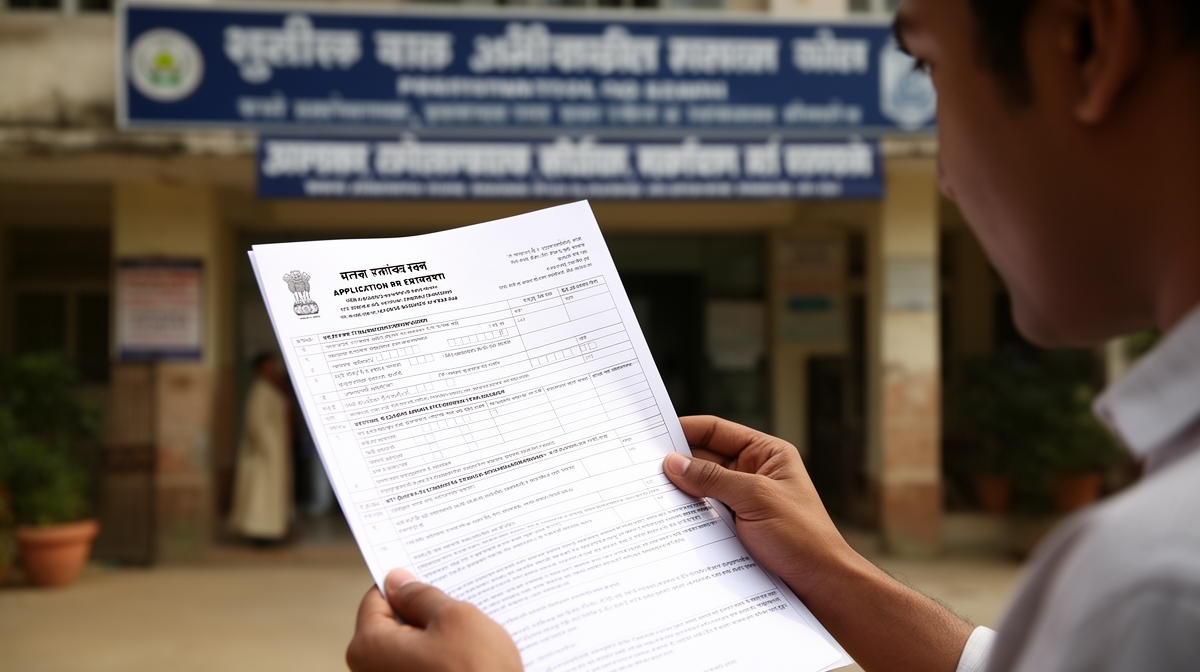
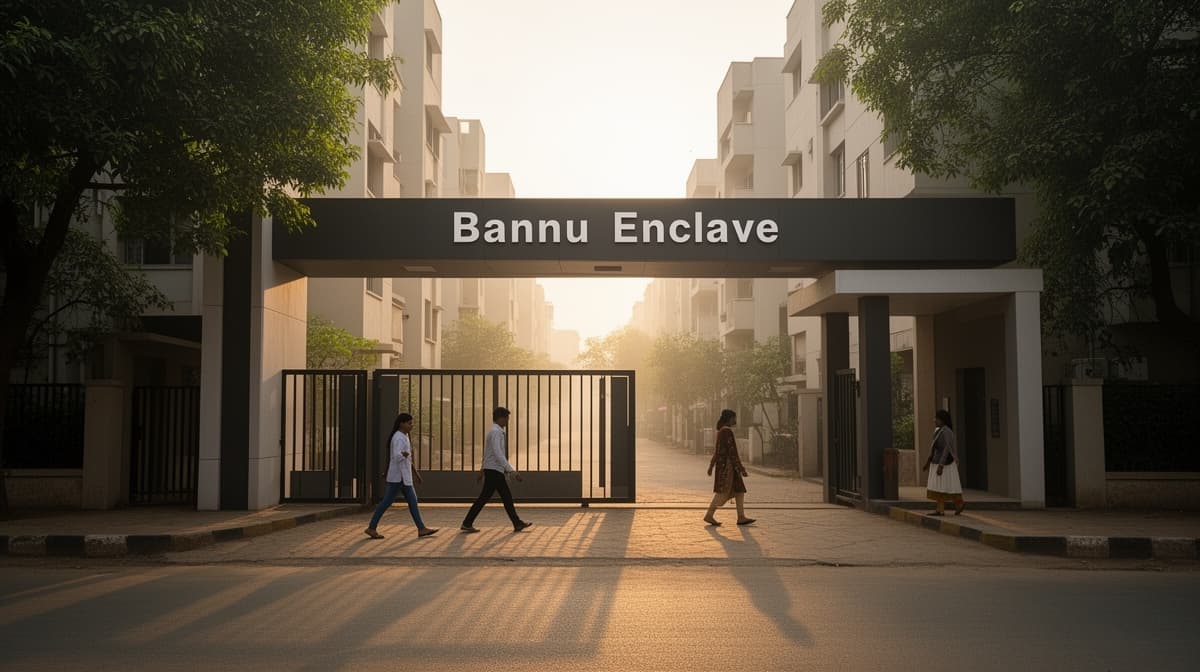
The appellant, Adarsh Kumar Dua, filed an application on 21 May 2025 addressed to the President/Secretary of Bannu Biradari CGHS Ltd., a cooperative housing society in Pitampura, Delhi. The application sought details regarding parking policies, registered vehicle records, and enforcement actions against overage vehicles. The appellant labeled the application as being filed "under Section 139 of the Delhi Co-operative Societies Act, 2005," not the RTI Act.
Procedural History
- 21 May 2025: Appellant submitted information request to Bannu Biradari CGHS Ltd., labeling it as a complaint under DCS Act.
- 26 June 2025: Appellant filed a First Appeal before the FAA, Registrar of Co-operative Societies, GNCTD, again citing Section 139 of DCS Act.
- No FAA order was available on record.
- 22 September 2025: Appellant filed a Second Appeal before the CIC, now invoking Section 20(2) of the RTI Act for penalty against the CPIO.
Relief Sought
The appellant sought: (1) disclosure of the requested information; (2) imposition of penalty under Section 20(2) of the RTI Act for deemed refusal; and (3) direction to treat the society’s non-response as a violation of RTI obligations.
The Legal Issue
The central question was whether a cooperative housing society like Bannu Biradari CGHS Ltd. qualifies as a "public authority" under Section 2(h) of the RTI Act, 2005, thereby making second appeals maintainable before the Central Information Commission.
Arguments Presented
For the Appellant
The appellant contended that the society, despite being registered under the DCS Act, performs public functions by regulating parking, enforcing vehicle norms, and interacting with municipal authorities. He argued that the society’s role in implementing municipal directives on overage vehicles rendered it a de facto public authority. He relied on the spirit of the RTI Act to demand transparency and invoked Section 20(2) for penalty.
For the Respondent
The CPIO, through written submissions, argued that the appellant’s application was not an RTI request but a complaint under the DCS Act. The CPIO further asserted that the society is a private entity registered under state cooperative laws and does not meet the criteria of a public authority under Section 2(h) of the RTI Act. The CPIO cited the Supreme Court’s decision in Thalappalam Ser. Coop. Bank Ltd. v. State of Kerala to support this position.
The Court's Analysis
The Commission began by examining the nature of the appellant’s original application. It noted that the appellant had explicitly referenced Section 139 of the DCS Act, not the RTI Act, and had not invoked any provision of the RTI Act in his initial request. This undermined any claim that the communication was an RTI application.
"The Appellant in the grounds of the Second Appeal has explicitly stated that- 'It is requested that considering the previous record and practice of not honouring the DCS Act & rules the PIO should be fined U/S 20(2) of RTI Act. 2005...'",
The Commission observed that this was an after-the-fact attempt to recharacterize a DCS Act complaint as an RTI request. The law does not permit such retrospective reclassification.
More critically, the Commission examined whether the society itself was a public authority under Section 2(h). It held that cooperative societies, even those managing housing and parking, are not established or substantially financed by the government, nor do they perform public functions in the manner contemplated by the RTI Act. The Commission relied on the binding precedent in Thalappalam Ser. Coop. Bank Ltd. v. State of Kerala, where the Supreme Court held that cooperative societies are not public authorities under the RTI Act.
The Commission further noted that the CPIO of the Registrar of Co-operative Societies was improperly arrayed as a respondent. The Registrar’s office is not the CPIO of the society; the society’s own office is. Even if the society were a public authority - which it is not - the procedural misjoinder would have invalidated the appeal.
The Verdict
The appellant’s appeal was dismissed. The Court held that cooperative housing societies are not public authorities under Section 2(h) of the RTI Act, and therefore, no appeal lies before the CIC. The appellant’s attempt to invoke RTI penalties was legally untenable.
What This Means For Similar Cases
Cooperative Societies Are Excluded from RTI Obligations
- Practitioners must verify whether the target entity is listed under Section 2(h) before filing an RTI application
- Applications to housing societies, agricultural cooperatives, or credit cooperatives should be filed under their respective state cooperative laws, not the RTI Act
- Filing RTI appeals against such entities invites dismissal and may attract costs for frivolous litigation
Mislabeling Does Not Confer Jurisdiction
- Labeling a complaint as an RTI request does not transform it into one
- Courts and commissions will examine the substance, not the label
- Applicants must cite the correct statutory provision at the time of filing
Penalty Under Section 20(2) Requires Valid RTI Request
- Section 20(2) penalties apply only when a valid RTI request is made to a public authority and is wrongfully denied
- No penalty can be imposed where the recipient is not a public authority, regardless of delay or non-response
- Practitioners must not conflate administrative non-cooperation with statutory refusal under RTI