The Income Tax Appellate Tribunal, Delhi, has clarified that a charitable trust’s inclusion of religious activities in its objectives does not automatically disqualify it from registration under Section 80G of the Income Tax Act, provided such activities are not the sole or substantially predominant purpose. This decision reinforces the principle that charitable intent, not the form of activity, determines eligibility for tax exemptions.
Background & Facts
The Dispute
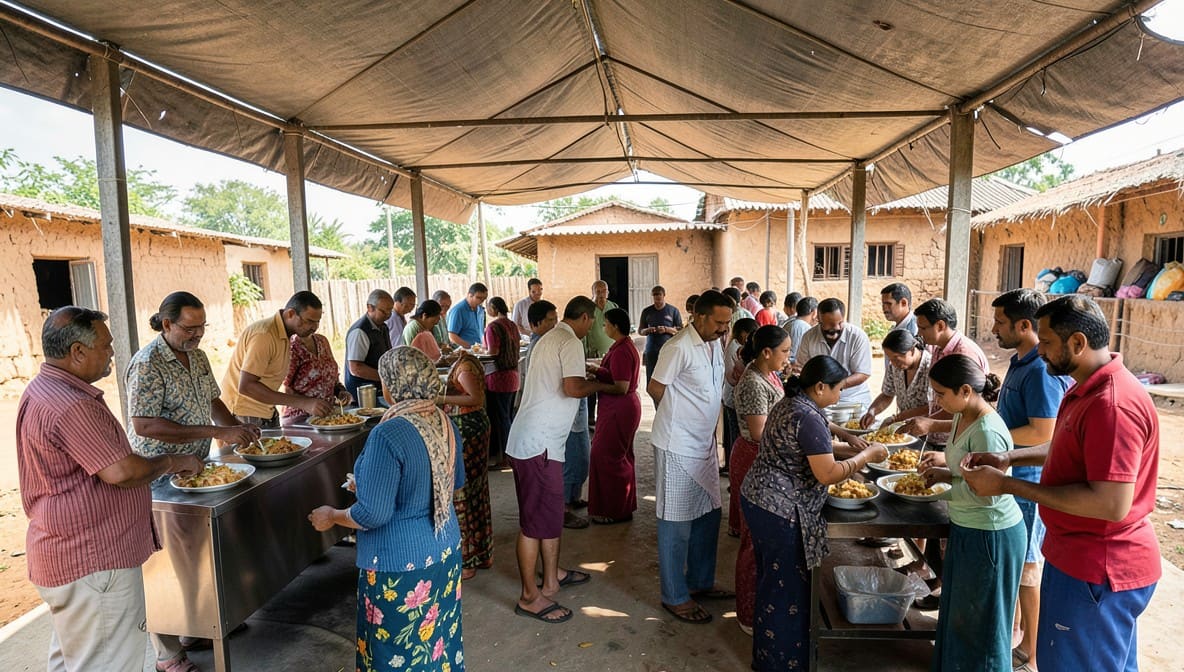
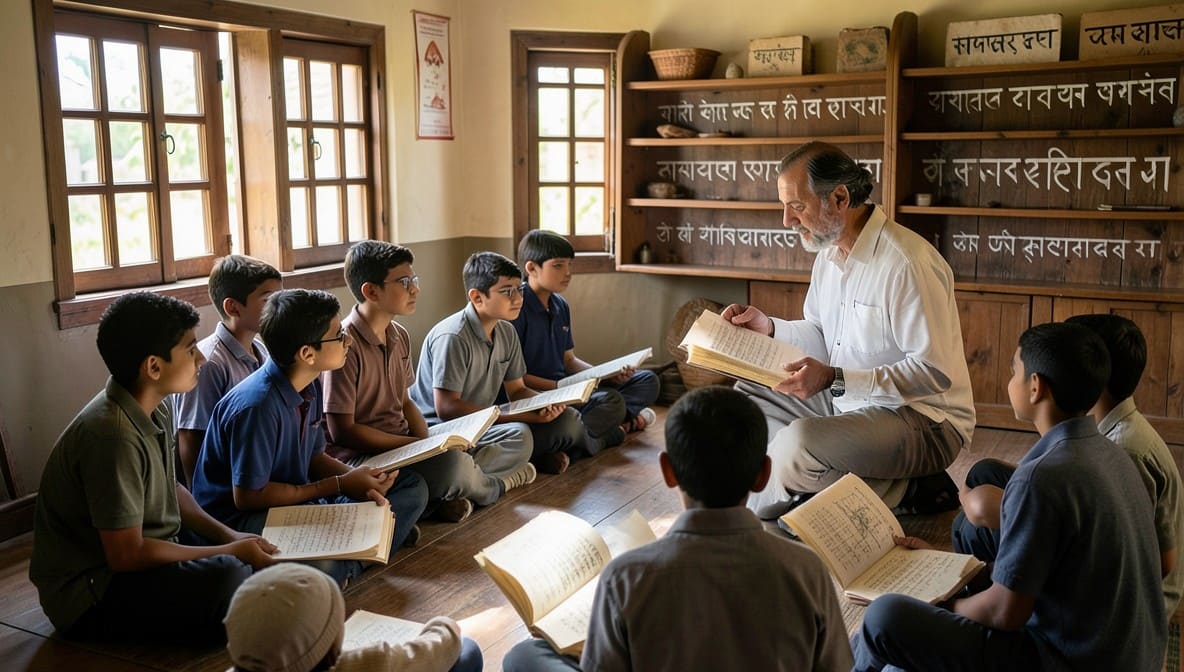
The Shri Baba Balakpuri Ji Charitable Trust sought registration under Section 80G to enable donors to claim tax deductions on contributions. The Commissioner of Income Tax (Exemptions) denied registration, relying on Explanation 3 to Section 80G, which excludes institutions whose purpose is wholly or substantially religious in nature. The Trust’s trust deed listed religious activities - including running mandirs, dharamshalas, satsang bhawans, gaushalas, and bhandaras - as one of its objectives, alongside broader charitable aims such as relief of the poor, education, medical aid, environmental preservation, and promotion of yoga.
Procedural History
- The Trust applied for registration under Section 80G in A.Y. 2023-24.
- The Ld. CIT(E), Chandigarh, rejected the application on the ground that clause 5(h) of the trust deed constituted a religious purpose under Explanation 3.
- The Trust filed an appeal before the ITAT Delhi, but no representative appeared on its behalf.
- The Revenue, represented by Sh. Mahesh Kumar, CIT(DR), argued that the Supreme Court’s decision in Upper Ganges Sugar Mill Ltd. mandated denial of registration where any religious object exists.
Relief Sought
The Trust sought reversal of the CIT(E)’s order and grant of registration under Section 80G, arguing that its primary activities were charitable and non-discriminatory, and that religious activities were ancillary and open to all irrespective of religion.
The Legal Issue
The central question was whether the inclusion of religious activities in a trust’s objectives, alongside multiple other charitable purposes, renders the trust ineligible for registration under Section 80G under Explanation 3, if those religious activities are not the whole or substantially the whole of its purpose.
Arguments Presented
For the Appellant
Although no representative appeared, the Trust’s written submissions relied on the ITAT Rajkot decision in Shreeji Education and Charitable Trust, arguing that:
- The trust’s activities were non-discriminatory and open to all communities.
- The religious activities were incidental and did not override the primary charitable objectives.
- Yoga and spiritual literature were explicitly recognized as charitable purposes under Section 2(15).
- The non-obstante clause in the trust deed (“benefits open to all irrespective of caste, creed, religion”) negated exclusivity.
For the Respondent
The Revenue contended that:
- Clause 5(h) explicitly listed religious activities, triggering Explanation 3.
- The Supreme Court in Upper Ganges Sugar Mill Ltd. held that even one religious object disqualifies an institution if it is not purely charitable.
- The nature of activities like running mandirs and bhandaras inherently served religious ends.
- The Trust failed to prove that religious activities were subordinate or non-dominant.
The Court's Analysis
The Tribunal rejected the Revenue’s reliance on Upper Ganges Sugar Mill Ltd., distinguishing it on factual grounds. It emphasized that Explanation 3 applies only when the whole or substantially the whole of the purpose is religious. The Court conducted a holistic review of the trust deed and financial records, noting that:
"The objects at clauses 5(a) to 5(g) and 5(j) are clearly charitable and predominate over clause 5(h). The Trust’s expenditure pattern - on medical relief, cow feed, education, and camps - demonstrates that its primary function is public utility, not religious propagation."
The Tribunal further relied on the ITAT Rajkot decision and the Allahabad High Court’s ruling in CIT v. Sri Radha Raman Niwas Trust, which held that spiritual practices like Akhand Naam Sankirtan, when non-exclusive and non-discriminatory, qualify as yoga and meditation under Section 2(15). The Court observed that the Trust’s religious activities were not confined to a particular community and were integrated with broader welfare functions. The non-obstante clause in the trust deed reinforced the universal character of its mission. The Tribunal concluded that the Revenue had failed to establish that religious activities constituted the substantial purpose of the Trust.
The Verdict
The appellant won. The ITAT Delhi held that Explanation 3 to Section 80G does not apply where religious activities are ancillary and not the whole or substantially the whole of the trust’s purpose. The Court directed the CIT(E) to grant registration under Section 80G.
What This Means For Similar Cases
Religious Activities Are Not Automatically Disqualifying
- Practitioners must now demonstrate the dominance of charitable objectives over religious ones, not merely their absence.
- Trusts with mixed objectives should clearly document expenditure patterns and beneficiary demographics to show non-exclusivity.
- The burden shifts to the Revenue to prove that religious activities are substantial, not merely present.
Documentation of Non-Discrimination Is Critical
- Trust deeds must include explicit non-discriminatory clauses, as done here.
- Financial statements should reflect allocation of funds across charitable domains (e.g., medical, educational, environmental) to substantiate primary purpose.
- Running institutions like gaushalas or dharamshalas is permissible if they serve the public at large, not a sect.
Yoga and Spiritual Literature Qualify as Charitable
- Activities such as publishing spiritual texts or conducting satsangs can now be treated as charitable under Section 2(15) if integrated with public utility.
- This aligns with evolving judicial recognition of yoga and meditation as non-religious, health-oriented practices.
- Tax advisors should advise trusts to frame spiritual activities as extensions of education or wellness, not worship.