The Central Information Commission has clarified a critical ambiguity in the Right to Information Act, 2005, by affirming that CCTV footage constitutes "information" under Section 2(f). This ruling reinforces the expansive interpretation of access rights and sets a binding precedent for public authorities attempting to withhold digital surveillance records under vague exemptions.
Background & Facts
The Dispute
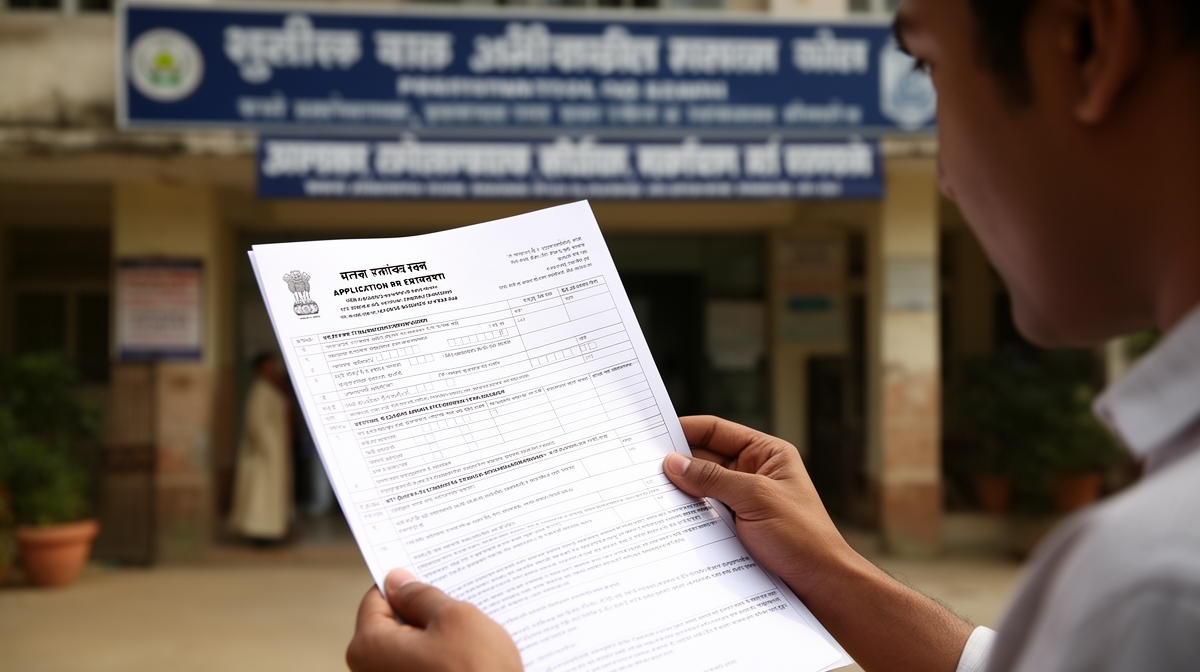
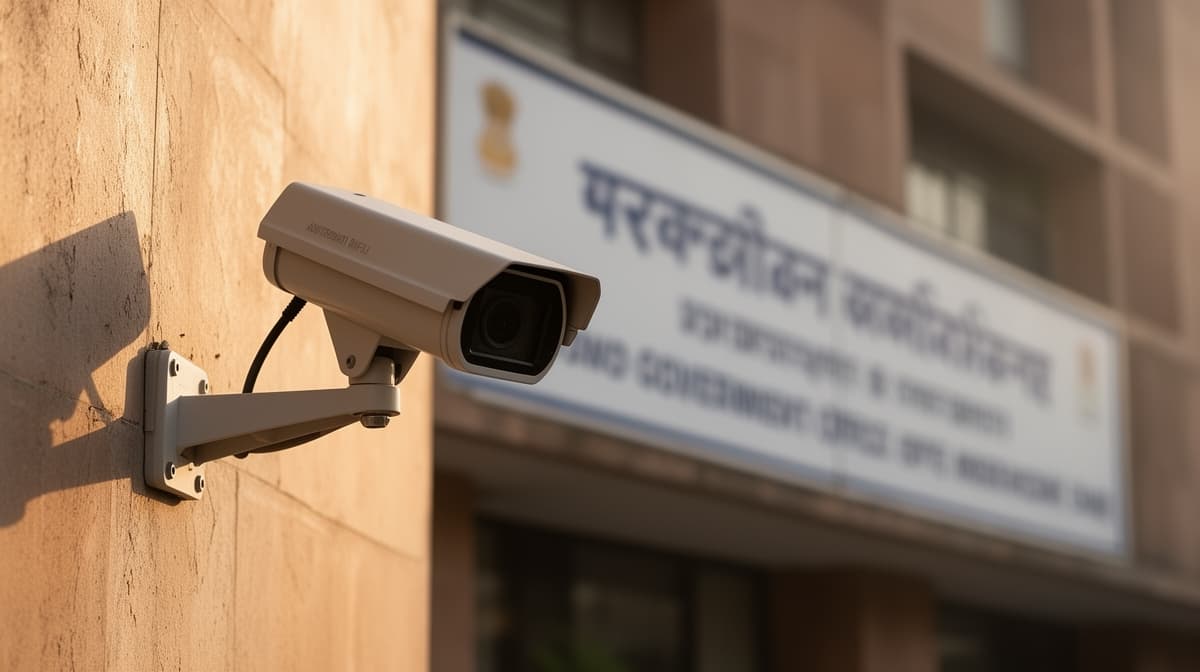
The appellant, Syed Mohd. Umar, filed an RTI application on 23 February 2024 seeking nine specific categories of information relating to market stalls, structural modifications, and CCTV footage in the DDA Estates, Munirka, Delhi. The most legally significant request was for CCTV footage from 19 February 2024, between 3:00 PM and 4:30 PM, outside the office of the Deputy Director, RP Branch. The appellant offered to pay ₹50 via Indian Postal Order to obtain the footage on CD.
Procedural History
- 23 February 2024: RTI application submitted to PIO, Dy. Director, DUSIB.
- 22 March 2024: PIO replied that no shops existed in the area and withheld other information under Section 8(1)(j) of the RTI Act.
- 1 April 2024: First Appeal filed due to incomplete and evasive response.
- No order issued: First Appellate Authority failed to adjudicate the appeal within statutory time.
- 10 July 2024: Second Appeal filed before the Central Information Commission.
- 13 January 2026: Hearing conducted; appellant absent despite notice.
- 21 January 2026: Decision issued.
Relief Sought
The appellant sought full disclosure of all requested information, particularly the CCTV footage, which he argued was essential to verify alleged unauthorized construction and administrative conduct.
The Legal Issue
The central question was whether CCTV footage constitutes "information" as defined under Section 2(f) of the RTI Act, and whether a public authority may refuse disclosure on the grounds that such footage is not "recorded" or "held" by the public authority.
Arguments Presented
For the Appellant
The appellant, though absent at hearing, had clearly sought footage recorded by the public authority’s own surveillance system. His application referenced a specific date, time, and location, demonstrating the footage was both created and maintained by DUSIB. The request was not speculative but targeted and actionable.
For the Respondent
The Respondent, through EE-03, contended that the CCTV footage was not covered under Section 2(f), arguing it was not a "record" in the formal sense and that its disclosure would violate privacy or operational security. The PIO and other officers also claimed jurisdictional transfer absolved them of responsibility, despite the footage being under their direct control.
The Court's Analysis
The Commission examined the definition of "information" under Section 2(f) of the RTI Act, which includes "any material in any form, including records, documents, memos, e-mails, opinions, advices, press releases, circulars, orders, logbooks, contracts, reports, papers, samples, models, data material held in any electronic form and information relating to any private body which can be accessed by a public authority under any other law for the time being in force."
"The term 'information' is deliberately broad and inclusive, encompassing not only textual records but also electronic data and visual recordings held by a public authority."
The Commission rejected the argument that CCTV footage is not "held" merely because it is not printed or archived in a traditional file. The footage was recorded by DUSIB’s own system, stored on its servers, and retrievable upon request. The fact that it was digital did not negate its status as information under the Act.
The Commission further noted that the PIO’s reliance on Section 8(1)(j) was misplaced, as that exemption applies to personal information with no public interest, not to operational surveillance footage related to public infrastructure. The burden to prove exemption lies with the public authority, which failed to demonstrate any valid ground.
The Commission also condemned the First Appellate Authority’s failure to adjudicate the appeal, calling it a "lapse not acceptable under the RTI Act." The transfer of the request among departments did not absolve the public authority of its duty to respond.
The Verdict
The appellant prevailed. The Court held that CCTV footage constitutes information under Section 2(f) of the RTI Act, and the refusal to disclose it was legally untenable. The Commission directed EE-03 to provide the footage within two weeks, unless exempted under a valid provision. The First Appellate Authority was formally reprimanded for inaction.
What This Means For Similar Cases
CCTV Footage Is Not Exempt by Default
- Practitioners must now treat any video or audio recording made or held by a public authority as disclosable under the RTI Act unless a specific exemption applies.
- Public authorities cannot evade disclosure by claiming footage is "not a record" or "too technical to provide."
- Requests must be evaluated on whether the footage is held, not on format or medium.
Transfer of Requests Does Not Absolve Responsibility
- When an RTI request is transferred internally, the original PIO remains accountable until the information is actually provided.
- Failure to adjudicate a first appeal is a procedural violation warranting adverse inference.
- Practitioners should cite this order when challenging delays or non-adjudication by FAA.
Digital Records Are Covered Without Exception
- Emails, databases, cloud-stored files, and surveillance footage are all covered under Section 2(f).
- The Commission’s reasoning aligns with global trends recognizing digital data as public information.
- Public authorities must update their RTI manuals to reflect this interpretation.