The Punjab and Haryana High Court has affirmed that judicial discretion permits a single surety bond to be shared across multiple unrelated criminal cases when the accused faces genuine financial hardship, provided personal bonds remain separate. This ruling clarifies procedural flexibility under the Bharatiya Nagarik Suraksha Sanhita, 2023, and reinforces equitable access to bail.
Background & Facts
The Dispute
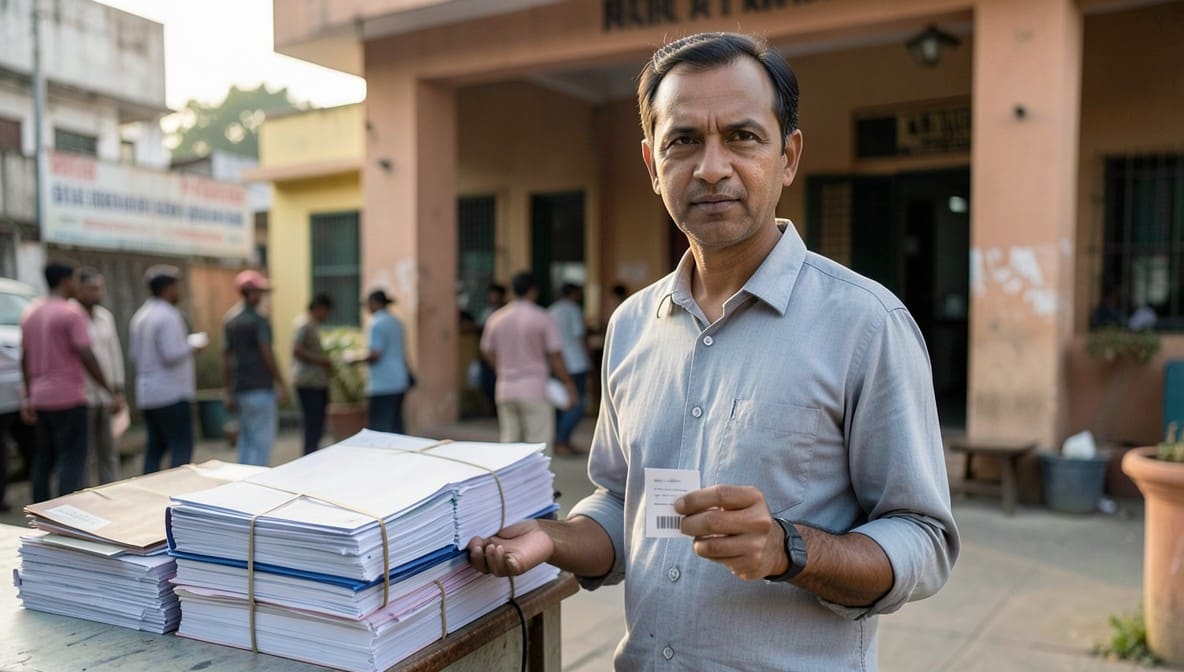
The petitioner, Varun alias Chilka alias Varun Rana, is facing prosecution in four separate criminal cases, all of which have resulted in grant of bail. Despite fulfilling bail conditions in other cases, the petitioner has been unable to furnish surety bonds in these four matters due to financial constraints, resulting in his continued incarceration.
Key Facts
- The petitioner is accused in four distinct FIRs, each arising from unrelated incidents:
- FIR No. 606 dated 15.11.2025 under Section 25(1B)(a) of the Arms Act, 1959, at Sector 58, Faridabad
- FIR No. 1093 dated 01.10.2018 under Sections 303, 506 & 34 IPC, at Adarsh Nagar, Faridabad
- FIR No. 281 dated 29.10.2025 under Sections 25(1B)(a) and 25(1)(a) of the Arms Act, 1959, at Old Faridabad
- FIR No. 398 dated 06.06.2016 under Sections 323, 324, 506 & 34 IPC, at City Ballabgarh, Faridabad
- The petitioner has successfully furnished surety and personal bonds in other pending cases
- The petitioner and his family have made repeated efforts to arrange separate sureties for these four cases but have been unable to do so
- The petitioner is not a repeat offender in terms of violent conduct, and bail has been granted in all four cases on merit
Procedural History
- 15.11.2025: FIR No. 606 registered at Sector 58, Faridabad
- 01.10.2018: FIR No. 1093 registered at Adarsh Nagar, Faridabad
- 29.10.2025: FIR No. 281 registered at Old Faridabad
- 06.06.2016: FIR No. 398 registered at City Ballabgarh
- April 2026: Petitioner filed Criminal Misc. No. M-19897 of 2026 before the Punjab and Haryana High Court seeking permission to file a common surety bond across all four cases
- 29.04.2026: Judgment delivered by Justice Surya Partap Singh
The Parties' Positions
For the Petitioner
The petitioner, through counsel, argued that he is a person of limited means and that the requirement to furnish four separate surety bonds imposes an unreasonable and disproportionate burden. He relied on multiple precedents where the Supreme Court and this Court have permitted common surety bonds across multiple unrelated cases to prevent incarceration due to financial inability.
For the Respondent
The State, through the Assistant Advocate General, opposed the request on the ground that the four cases involve distinct incidents, different victims, and separate charges. Permitting a common surety bond, it was argued, would undermine procedural integrity and the principle that each case must be treated independently.
Relief Sought
The petitioner sought a direction to the trial courts to accept a single surety bond and separate personal bonds for all four cases, thereby enabling his release from custody pending trial.
The Legal Issue
Can a court permit an accused facing multiple unrelated criminal cases to file a single surety bond across all cases, when the accused is financially unable to furnish separate bonds, without violating procedural norms?
Arguments Presented
For the Petitioner
The petitioner’s counsel relied on Hani Nishad alias Mohammad Imran alias Vikky v. State of Uttar Pradesh (2018 SCC Online SC 3946), where the Supreme Court permitted one personal bond and two surety bonds to operate across 31 unrelated cases. Similar relief was granted in Girish Gandhi v. State of Uttar Pradesh (AIR 2024 SC 4396) for 11 cases, and in Nanak Chand Tayal v. State of Haryana for 60 cases. The counsel emphasized that the purpose of surety bonds is to ensure appearance, not to impose financial hardship, and that the principle of proportionality under Article 21 supports such flexibility.
For the Respondent
The State contended that each FIR represents a distinct offence with independent evidentiary and procedural requirements. Allowing a common surety bond, it argued, could lead to abuse, dilute accountability, and set a precedent that undermines the statutory framework under Section 528 of the Bharatiya Nagarik Suraksha Sanhita, 2023, which governs bail procedures. The State maintained that the accused must meet the conditions of each case separately.
The Court's Analysis
The Court undertook a comprehensive review of precedents from the Supreme Court and coordinate benches of this Court. It noted that the primary objective of bail and surety is not punitive but to ensure the accused’s presence during trial. The Court observed that the financial incapacity of the accused, when coupled with prior grant of bail in all matters, renders the requirement of multiple surety bonds disproportionate.
"In the case of 'Hani Nishad'... the Hon’ble Supreme Court permitted the petitioner to furnish one personal bond and two surety bonds in one case and ordered the same to hold good in all the 31 cases."
The Court further cited Girish Gandhi, Nanak Chand Tayal, Suresh Kumar Bawalia, Rajesh Singla, and Bablu as consistent authority supporting the principle that where the accused is not a flight risk and has been granted bail in all matters, the court may exercise discretion to allow a common surety bond. The Court emphasized that the personal bond, which is a personal undertaking, must remain separate in each case to preserve individual accountability.
The Court rejected the State’s argument that unrelated cases preclude common surety, holding that the legal purpose of surety - ensuring appearance - is not compromised by shared financial security when the accused is otherwise compliant. The Court held that rigid adherence to separate bonds in such circumstances violates the spirit of Article 21 and the principle of reasonable classification under Article 14.
The Verdict
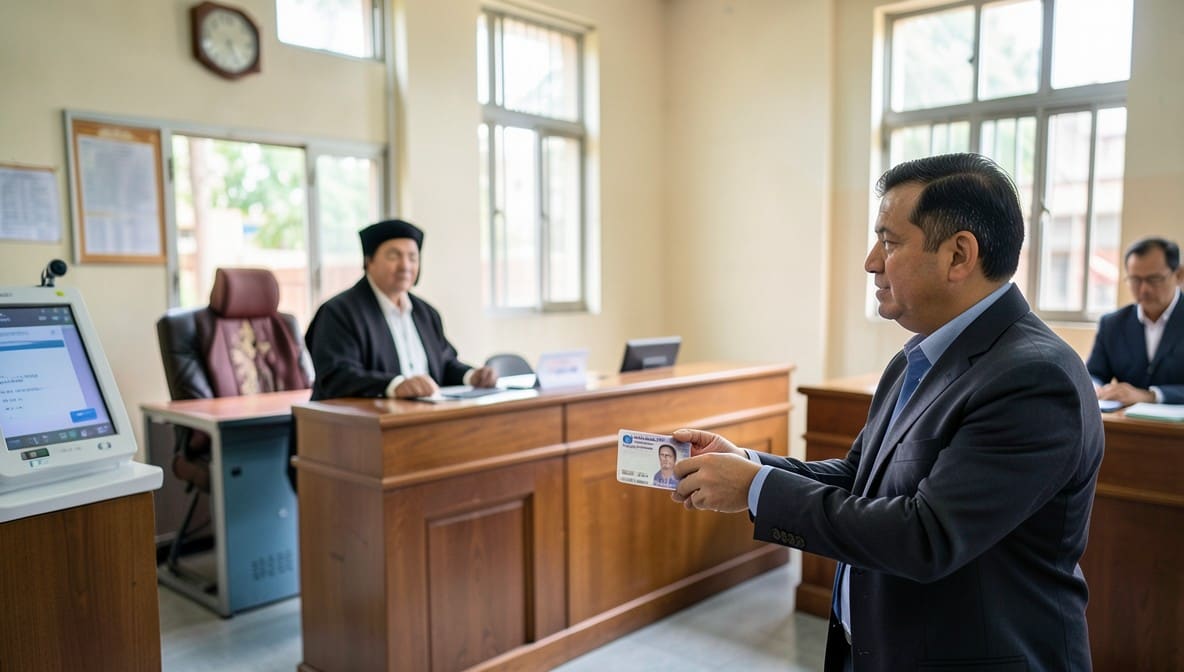
The petition was partly allowed. The Court directed the trial courts handling the four cases to accept a single surety bond for all four matters, provided the petitioner files a separate personal bond in each case. The petitioner shall be released upon furnishing the common surety bond and individual personal bonds. The order is effective immediately.
What This Means For Similar Cases
Surety Bonds Are Not Per-Case Financial Barriers
- Practitioners may now argue that financial hardship justifies a common surety bond across multiple unrelated cases, provided the accused has been granted bail in all and is not a flight risk
- Courts must assess the accused’s financial capacity and prior compliance with bail conditions before denying such relief
- The burden shifts to the State to demonstrate why separate bonds are necessary, not merely customary
Personal Bonds Remain Non-Negotiable
- A common surety bond does not eliminate the requirement for individual personal bonds in each case
- Each personal bond must be signed and filed separately to preserve the accused’s individual legal accountability
- This distinction ensures that the accused remains personally liable for appearance in each proceeding
Judicial Discretion Trumps Rigid Formalism
- The judgment establishes that procedural rules under BNSS must be interpreted flexibly to prevent incarceration due to poverty
- Courts are now empowered to adopt pragmatic solutions that align with constitutional rights, not just technical compliance
- This precedent applies equally to cases under IPC, Arms Act, and other statutes where bail has been granted