The Chhattisgarh High Court's recent order in Aajam Khan v. State of Chhattisgarh clarifies the threshold for granting bail under the Bhartiya Nagarik Suraksha Sanhita, 2023 where the accused is merely a driver in an illegal liquor transportation case. The judgment establishes that employment as a driver alone does not constitute sufficient grounds for denial of bail, particularly when no exclusive possession of contraband is proven and co-accused have already been granted bail on similar allegations.
Background & Facts
The Dispute
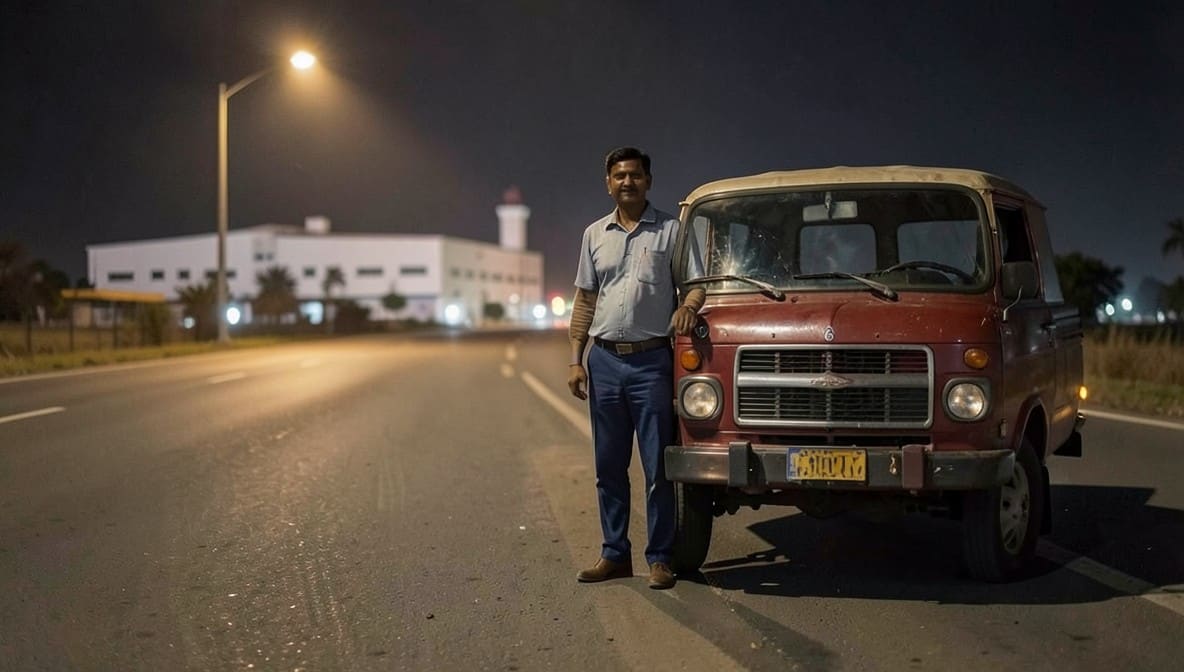
The applicant, Aajam Khan, was arrested on 08.02.2025 in connection with Crime No. 37/2025 registered at Police Station Patan, District Durg, Chhattisgarh. The case involved the recovery of 4500 bulk liters of illegal liquor from a farmhouse, transported in a vehicle bearing registration number MP 46 H 0513. The applicant was charged under Section 61(2) of the Bhartiya Nyaya Sanhita (BNS) and Sections 34(2) and 36 of the Chhattisgarh Excise Act.
Procedural History
The case progressed as follows:
- 08.02.2025: Applicant arrested and charged under the aforementioned provisions.
- 2025: Charge-sheet filed before the competent court.
- 2025: Two co-accused granted bail by the Chhattisgarh High Court in MCRC Nos. 1668/2025 and 3216/2025 on similar allegations.
- 10.02.2026: Present bail application filed under Section 483 of the Bhartiya Nagarik Suraksha Sanhita, 2023.
The Applicant's Position
The applicant contended that:
- He was merely the paid driver of the offending vehicle and not the owner of the seized liquor.
- No liquor was recovered from his exclusive possession, indicating no direct involvement in the offence.
- He is the sole breadwinner of his family and had been in custody for 10 months, equivalent to the possible sentence if convicted.
- Two co-accused had already been granted bail on similar grounds, justifying parity.
The Legal Issue
The central question before the Court was whether mere employment as a driver in a vehicle transporting illegal liquor constitutes sufficient grounds for denying bail under Section 483 of the Bhartiya Nagarik Suraksha Sanhita, 2023, particularly when no exclusive possession of contraband is established and co-accused have been granted bail.
Arguments Presented
For the Applicant
The applicant's counsel argued that:
- The applicant had been falsely implicated and was not involved in the alleged offence.
- As a paid driver, he lacked exclusive possession of the contraband, a critical factor under Section 36 of the C.G. Excise Act.
- The duration of detention (10 months) was disproportionate to the possible sentence, warranting bail.
- The principle of parity applied, as two co-accused had already been granted bail in MCRC Nos. 1668/2025 and 3216/2025.
For the State
The State opposed the bail application, contending that:
- The charge-sheet had already been filed, indicating a prima facie case against the applicant.
- The applicant had six criminal antecedents, making him a flight risk and ineligible for bail.
The Court's Analysis
The Court conducted a balancing exercise between the right to liberty under Article 21 of the Constitution and the interests of justice. Key observations included:
- Driver's Role and Culpability: The Court noted that the applicant was merely the driver of the vehicle and not the owner of the seized liquor. This distinction is critical under Section 36 of the C.G. Excise Act, which requires exclusive possession for establishing culpability. The Court observed:
"The applicant was only a paid driver of the offending vehicle and is not the owner of the seized liquor. No liquor was recovered from his exclusive possession, which is a necessary ingredient for attracting the offence under Section 36 of the C.G. Excise Act."
-
Principle of Parity: The Court emphasized the principle of parity, noting that two co-accused had already been granted bail on similar allegations. This principle ensures that similarly situated accused are treated equally, preventing arbitrary denial of bail.
-
Duration of Detention: The Court took cognizance of the fact that the applicant had been in custody for 10 months, which was equivalent to the possible sentence if convicted. This factor weighed heavily in favor of granting bail, as prolonged pre-trial detention without conviction violates the right to speedy trial under Article 21.
-
Criminal Antecedents: While the State argued that the applicant's six criminal antecedents justified denial of bail, the Court did not find this sufficient to outweigh the other factors, particularly the lack of exclusive possession and the principle of parity.
-
Conditions for Bail: The Court imposed stringent conditions to ensure the applicant's compliance with the trial process, including:
- Filing an undertaking to avoid seeking adjournments.
- Remaining present before the trial court on each date fixed.
- Appearing in person for critical stages of the trial, such as framing of charges and recording of statements.
The Verdict
The Chhattisgarh High Court allowed the bail application, holding that the applicant's mere employment as a driver did not establish sufficient grounds for denying bail under Section 483 of the Bhartiya Nagarik Suraksha Sanhita, 2023. The Court directed the applicant's release on furnishing a personal bond with two local sureties, subject to the conditions outlined in the order.
What This Means For Similar Cases
Driver's Culpability Is Not Automatic
Practitioners must now argue that employment as a driver alone does not establish culpability under the Excise Act or BNS. Key takeaways include:
- Exclusive possession of contraband is a critical factor for establishing liability under Section 36 of the C.G. Excise Act.
- Courts are likely to grant bail where the accused is merely a paid driver without ownership or exclusive possession of the contraband.
- Parity with co-accused is a strong ground for bail, particularly when similarly situated individuals have already been granted relief.
Pre-Trial Detention Must Be Proportionate
The judgment reinforces that prolonged pre-trial detention must be justified by compelling reasons. Practitioners should:
- Highlight the duration of detention in bail applications, particularly when it approaches the possible sentence.
- Argue that denial of bail solely on the basis of criminal antecedents is insufficient without additional evidence of flight risk or tampering with evidence.
- Emphasize the right to speedy trial under Article 21 to counter arguments for continued detention.
Stringent Bail Conditions Are Non-Negotiable
The Court's imposition of strict conditions for bail underscores the need for practitioners to:
- Ensure clients are prepared to comply with undertakings to avoid adjournments and personal appearances at critical trial stages.
- Advise clients on the consequences of misusing bail liberty, including potential proceedings under Section 209 of the BNS.
- Highlight the judicial trend of imposing conditions to balance the right to liberty with the interests of justice.
The judgment serves as a precedent for bail applications in cases involving transportation of contraband, particularly where the accused's role is peripheral to the alleged offence.