
The Supreme Court clarified that for stamp-duty purposes under the Rajasthan Stamp Act, 1998, the actual use of the land governs its classification, overruling a High Court test that linked classification to location and exclusive manufacturing.
Background & Facts
The Dispute
The appellant, Harinder Singh Sodhi, challenged the valuation of stamp duty payable on a gift deed concerning a family-owned multi-storey property in Jaipur. The deed had been stamped at the residential rate, although the parties claimed the land was used for industrial purposes.
Key Facts
- The property is a multi-storey building with ground and three floors, owned by siblings who run a business from the premises.
- One brother gifted his share to another brother; the gift deed was registered as a residential land transaction.
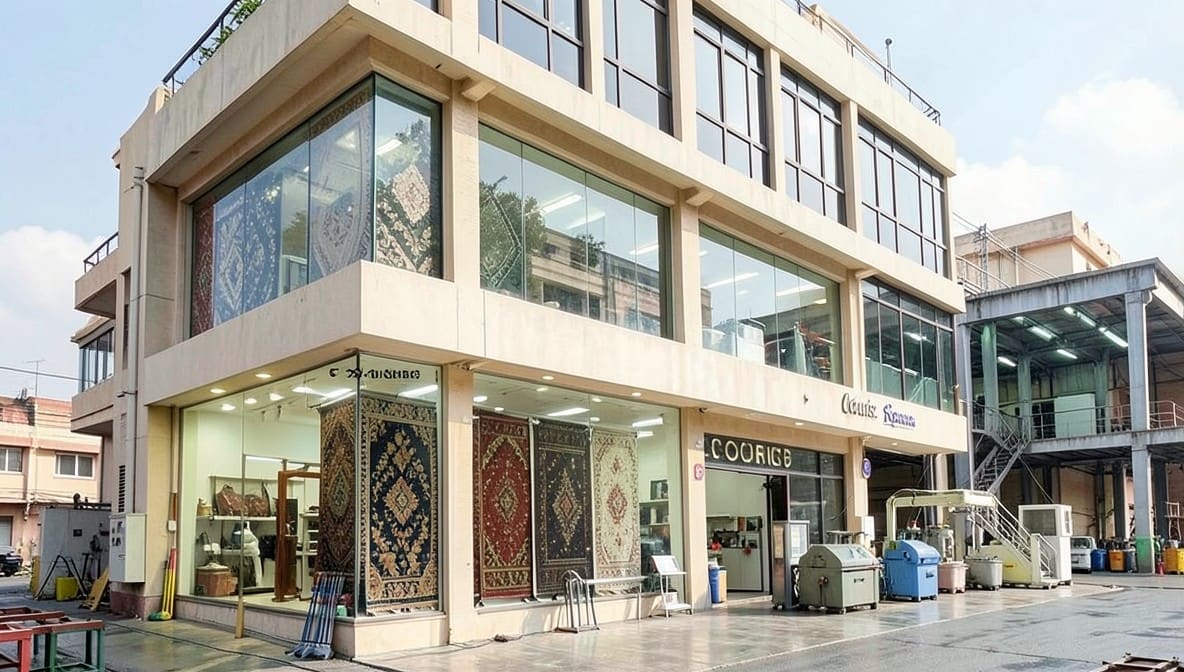
- The Sub-Registrar inspected the site and concluded the land was being used as a commercial showroom for Sodhi Carpets.
- The Collector, the authority under the Stamp Act, inspected the premises and found a factory operating there, deeming it an industrial use.
- The Rajasthan Tax Board, after reviewing both inspection reports, agreed with the Collector’s industrial classification, relying on Circular No.2/2004 issued by the Government of Rajasthan.
- The High Court reversed the concurrent findings of the Sub-Registrar, Collector and Tax Board, holding that a property is industrial only if it is situated in an industrial area and used exclusively for manufacturing. Because the premises also involved the sale of manufactured goods, the High Court classified it as commercial.
- The appellant contended that the property was registered as a factory under the Factories Act, 1948 and as an industry with the District Industries Centre, Jaipur, and argued that the stamp duty paid at residential rates was excessive and refundable.
Procedural History
- 2025: SLP (C) No.36745 filed in the High Court challenging the statutory authorities’ orders.
- High Court: Reversed the Sub-Registrar, Collector and Tax Board findings, applying the “industrial area and exclusive manufacturing” test and classifying the land as commercial.
- Civil Appeal No. ___ of 2026: Appealed to the Supreme Court.
- 24 August 2026: Supreme Court delivered the judgment, allowing the appeal and restoring the statutory authorities’ orders.
Relief Sought
The appellant sought a re-valuation of the stamp duty on the basis that the land is industrial, a refund of the excess duty paid at residential rates, and costs.
The Legal Issue
Whether the property that is the subject of a gift deed should be treated as an ‘industrial’ or a ‘commercial’ property for the purpose of computing stamp duty under the Rajasthan Stamp Act, 1998.
Arguments Presented
For the Appellant
- Asserted that the land is used for industrial purposes, being registered as a factory under the Factories Act, 1948 and as an industry with the District Industries Centre, Jaipur.
- Contended that the stamp duty was levied at the higher residential rate despite the industrial use, entitling the appellant to a refund.
- Relied on the fact that the gift deed was voluntarily executed with knowledge of the actual use.
For the Respondent
- The Sub-Registrar, Collector and Rajasthan Tax Board argued that the land’s actual use includes both manufacturing and the sale of manufactured goods, making it a commercial property.
- Cited Circular No.2/2004, which mandates that valuation is based on the user of the land, not merely its classification or location.
- The High Court’s test of “industrial area and exclusive manufacturing” was held to be inconsistent with the circular.
The Court's Analysis
The Court examined the statutory framework of the Rajasthan Stamp Act, 1998 and the method of valuation prescribed in Circular No.2/2004. The circular expressly states that the valuation of industrial land is determined by the user of the land at the time of execution, not by the classification of the area under the master plan.
"the circular, insofar as valuation of industrial land, specifies the user and not the classification of the area."
The Court observed that the premises were being used for manufacturing and for the sale of the manufactured goods, which, under the circular, places the land in the commercial category. The presence of a showroom (Sodhi Carpets) and the sale of goods indicated that the land was not exclusively industrial. Consequently, the higher residential valuation applied to the gift deed could not be reclaimed merely because the parties later argued an industrial use.
The Court further held that the High Court erred by imposing a test that required the property to be situated in a designated industrial area and used exclusively for manufacturing - criteria not found in the circular. By restoring the findings of the Sub-Registrar, Collector and Tax Board, the Court affirmed that the user-based approach governs stamp-duty valuation.
The Court also clarified that a voluntary payment of higher duty, made with full knowledge of the land’s use, does not give rise to a claim for refund. The appellant’s contention for a refund was therefore dismissed.
The Verdict
The appeal is allowed. The Supreme Court set aside the High Court judgment, restored the orders of the Sub-Registrar, Collector and Rajasthan Tax Board, and held that no refund of stamp duty is payable despite the duty having been paid at residential rates. All pending applications, if any, stand disposed of.
What This Means For Similar Cases
User-Based Valuation Prevails
- Practitioners must assess the actual use of the land at the time of execution, not merely its registration category or location, when advising on stamp-duty liability.
- Circulars or statutory guidelines that tie valuation to user intent will control over any judicially created tests.
Registration as Factory Is Not Conclusive
- Even if a property is registered under the Factories Act, the presence of retail or showroom activities can shift its classification to commercial for stamp-duty purposes.
- Lawyers should obtain detailed usage evidence (e.g., production vs. sales activities) before advising on duty rates.
Refund Claims Are Limited
-
A party cannot claim a refund of stamp duty merely because a higher rate was paid voluntarily; the payment must be shown to be erroneous or obtained by misrepresentation.
-
Documentation of the party’s knowledge of the land’s use at the time of execution is crucial in any refund petition.
-
Verify the user of the land against the criteria in the relevant circular before filing stamp-duty assessments.
-
Prepare evidence on both manufacturing and sales activities to substantiate the correct classification.
-
Advise clients that over-payment of duty, even if later contested, does not automatically entitle them to a refund.





