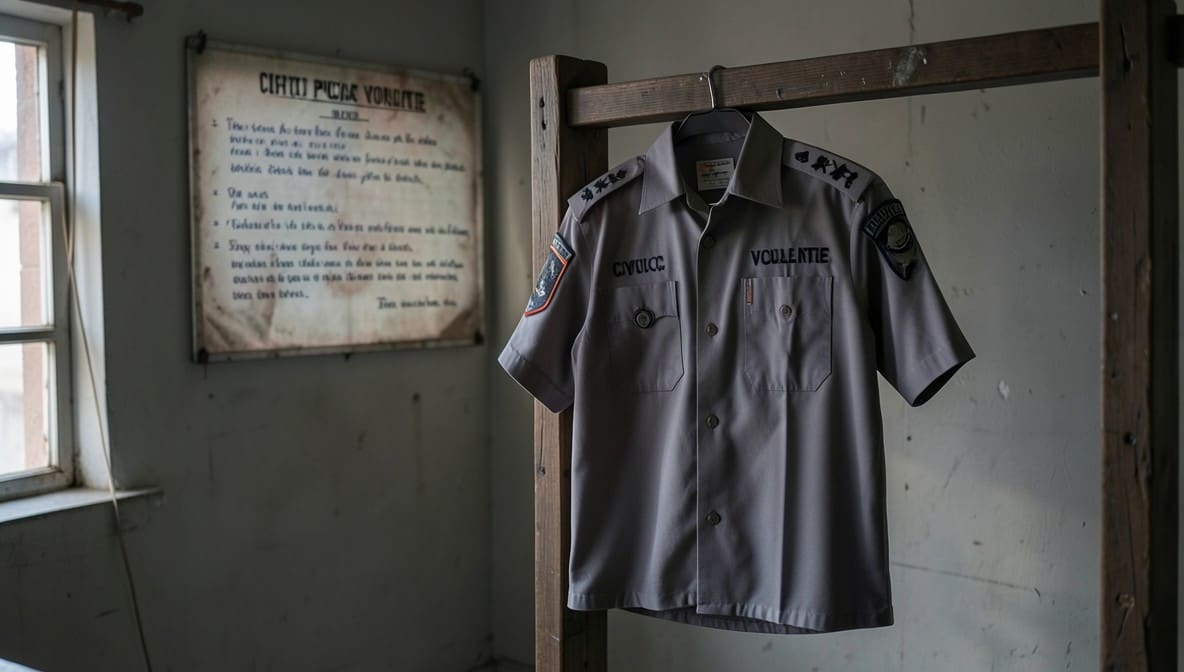
The Calcutta High Court has clarified that acquittal in a criminal case does not create an automatic right to reinstatement for a terminated Civic Police Volunteer, absent any statutory or regulatory provision mandating such remobilization. The judgment underscores the importance of procedural compliance and the limits of judicial intervention in administrative service matters.
Background & Facts
The Dispute
The petitioner, Avijit Mallick, was employed as a Civic Police Volunteer in the Hooghly Rural Police District. His service was terminated in October 2014 after he was charge-sheeted in a criminal case initiated in 2008. The petitioner did not disclose his involvement in the criminal proceedings at the time of his engagement. He was subsequently acquitted by a court on 19.05.2023. Thereafter, he submitted representations seeking reinstatement, which remained pending as of 2026. He filed the present writ petition seeking a direction to the State to consider his request for remobilization.
Key Facts
- The petitioner was engaged as a Civic Police Volunteer on an unspecified date prior to 2008
- A criminal case was registered against him in 2008
- He was charge-sheeted and his service was terminated in October 2014
- The criminal case concluded with his acquittal on 19.05.2023
- The petitioner filed representations for reinstatement in 2026
- No formal application for re-engagement was submitted after acquittal
- The State produced an undated report from the Superintendent of Police, Hooghly Rural Police District, outlining eligibility criteria for Civic Police Volunteers
- The report states that a volunteer shall be ineligible for continued service if involved in any criminal case
Procedural History
- 2008: Criminal case initiated against the petitioner
- October 2014: Termination of service due to criminal involvement
- 19.05.2023: Acquittal in the criminal case
- 2026: Representation filed by petitioner seeking reinstatement
- 29.04.2025: Order passed in Simanta Murmu v. State of West Bengal (WPA 4439 of 2025) directing authorities to consider remobilization in a similar case
- 08.04.2026: Writ Petition No. 21354 of 2025 heard and decided by the Calcutta High Court
The Parties' Positions
For the Petitioner: Argued that since he was acquitted, his termination was rendered invalid and he was entitled to reinstatement. Relied on the Simanta Murmu order as precedent for directing consideration of his case.
For the Respondent State: Contended that termination was lawful under the guidelines governing Civic Police Volunteers, which explicitly disqualify individuals involved in criminal cases. No provision exists for automatic reinstatement upon acquittal. The lapse of nearly twelve years further militates against reinstatement.
Relief Sought
The petitioner sought a direction to the State to consider his representation for reinstatement and remobilization as a Civic Police Volunteer.
The Legal Issue
The central question was whether acquittal in a criminal case entitles a terminated Civic Police Volunteer to automatic reinstatement, in the absence of any statutory or regulatory provision mandating such remobilization.
Arguments Presented
For the Petitioner
The petitioner relied on the order in Simanta Murmu v. State of West Bengal (WPA 4439 of 2025), where the Court directed the authority to consider the prayer for remobilization after acquittal. He argued that the principle of natural justice and equity demands that an acquitted individual be given an opportunity to resume service, particularly where the termination was based solely on pendency of criminal proceedings. He contended that the State’s inaction on his representation amounted to arbitrariness.
For the Respondent
The State countered that the guidelines for Civic Police Volunteers clearly state that involvement in a criminal case renders a volunteer ineligible for service. Termination was lawful and in accordance with these rules. The State emphasized that there is no statutory provision for automatic reinstatement upon acquittal, and that remobilization is a matter of administrative policy, not a legal right. The prolonged lapse of twelve years since termination further weakened the petitioner’s claim, as administrative structures and staffing needs may have changed.
The Court's Analysis
The Court examined the nature of the Civic Police Volunteer position, noting it is a voluntary, non-permanent engagement governed by internal guidelines, not a statutory post under the Constitution or service rules. The Court observed that the petitioner was terminated in 2014 not for misconduct, but because his involvement in a criminal case rendered him ineligible under the stated guidelines. The acquittal in 2023, while legally significant, did not retroactively invalidate the termination decision made in 2014 based on the facts then known.
"There is no provision for automatic remobilization/reinstatement on acquittal from a criminal case."
The Court distinguished the Simanta Murmu case, noting that it merely directed the authority to consider the matter - not to reinstate. The Court held that directing the State to consider the petitioner’s representation at this stage would be an "empty formality," given the twelve-year delay and absence of any legal entitlement. The Court emphasized that the petitioner had not sought re-engagement when new applications were invited, and that his remedy lay in applying afresh when opportunities arose.
The Court also noted that the petitioner had failed to disclose his criminal involvement at the time of initial engagement, which further undermined his claim to reinstatement on equitable grounds.
The Verdict
The writ petition was dismissed. The Court held that the petitioner is not entitled to reinstatement or remobilization merely by virtue of acquittal, as no statutory or regulatory provision mandates such a consequence. The petitioner is at liberty to apply for engagement as a Civic Police Volunteer when future recruitment drives are announced.
What This Means For Similar Cases
Acquittal Does Not Automatically Restore Service
- Practitioners must advise clients that acquittal in a criminal case does not create a legal right to reinstatement in voluntary or contractual positions unless explicitly provided by statute or service rules
- Termination based on eligibility criteria remains valid even after acquittal, if the criteria were lawfully applied at the time
- Claims for reinstatement after long delays (e.g., over a decade) are unlikely to succeed absent a clear legal entitlement
Administrative Discretion Prevails in Non-Statutory Posts
- Civic Police Volunteers and similar voluntary roles are governed by administrative guidelines, not service regulations
- Courts will not interfere in administrative decisions regarding re-engagement unless there is a clear violation of statutory rights or procedural fairness
- Applicants must actively seek re-employment through formal channels rather than rely on judicial orders to compel reconsideration
Disclosure Obligations Are Binding
- Failure to disclose criminal involvement at the time of application can permanently undermine claims for reinstatement, even after acquittal
- Transparency at the time of engagement is a critical factor in assessing the legitimacy of termination and subsequent claims