The Rajasthan High Court has reaffirmed that prolonged, unblemished contractual service in essential public roles cannot be perpetually treated as temporary. In a significant development for service jurisprudence, the Court directed regularization of a chowkidar with two decades of service, rejecting the state’s reliance on res judicata from a prior petition that had only sought wage revision.
Background & Facts
The Dispute
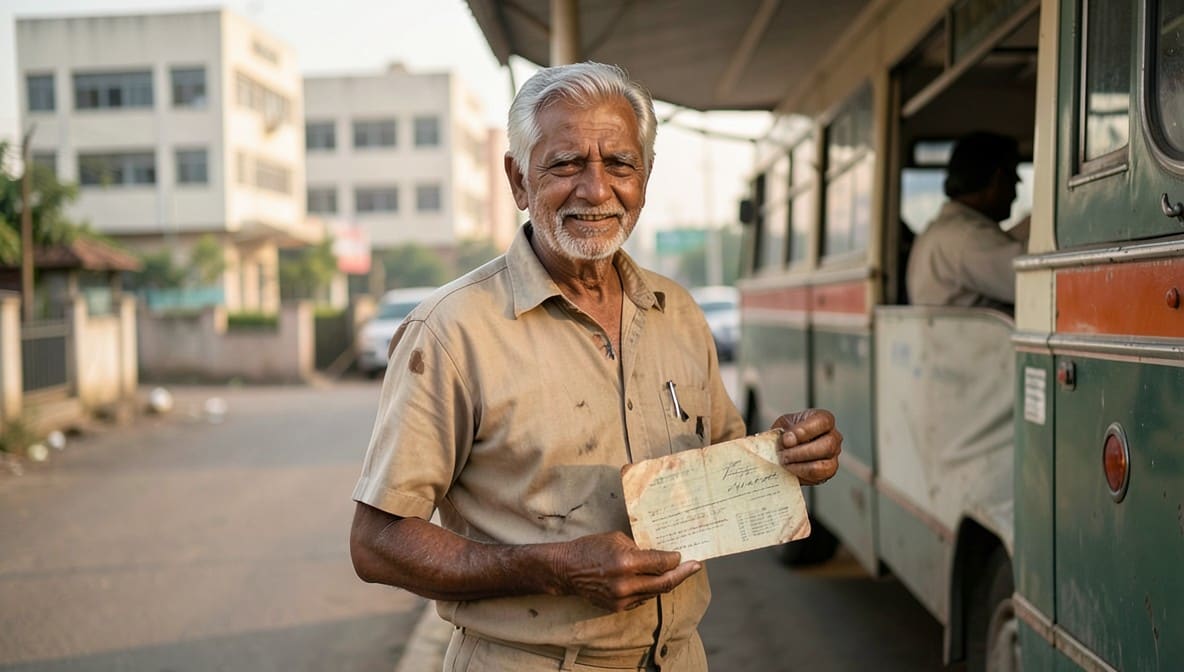
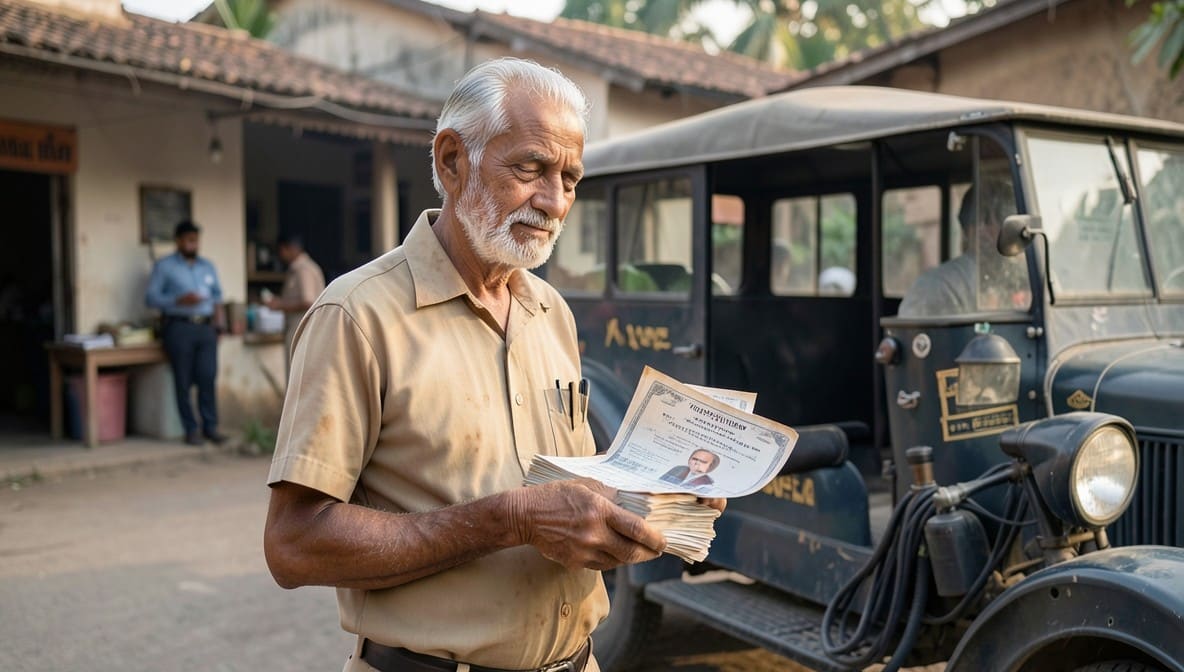
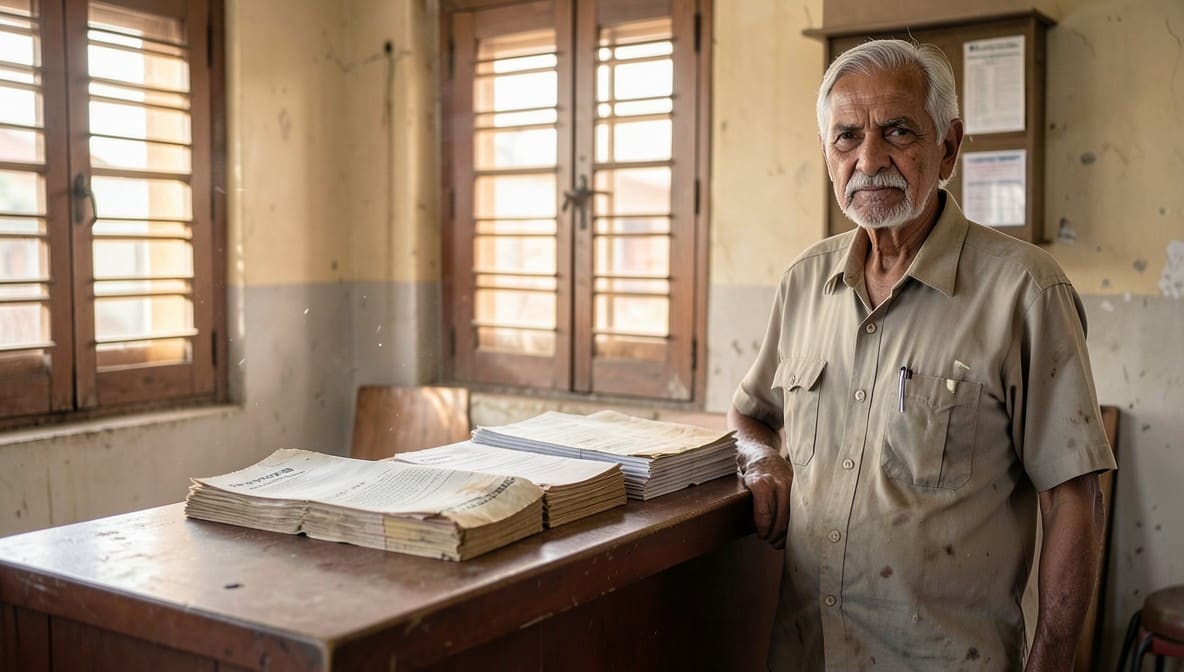
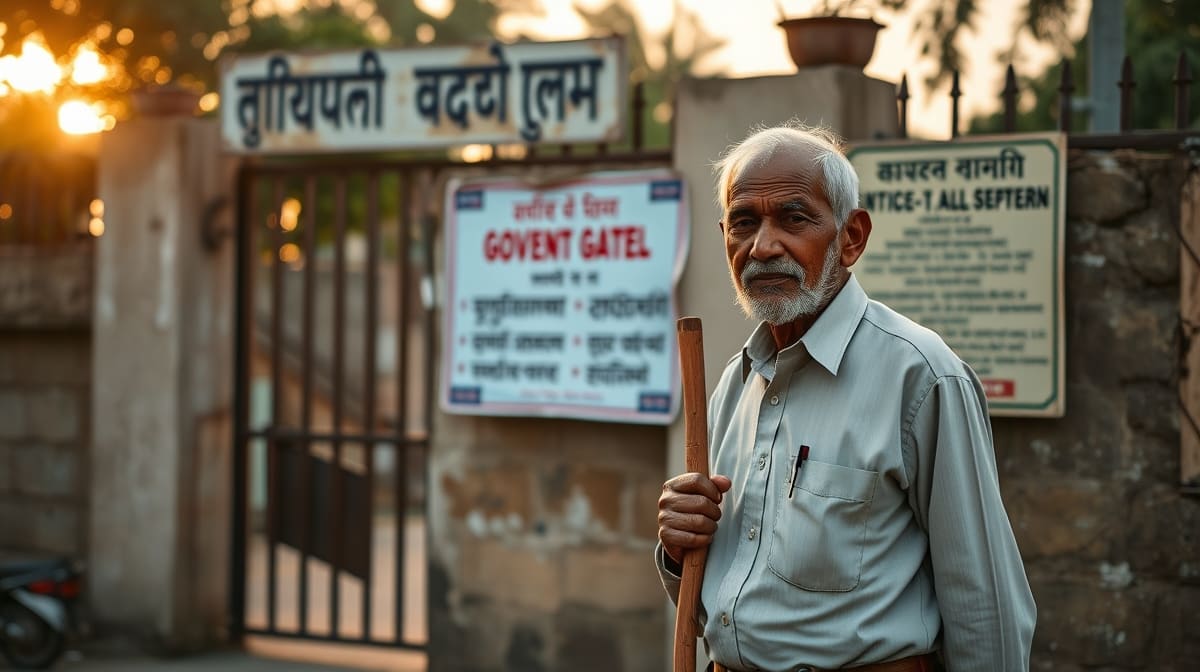
The appellant, Madan Lal, son of Shri Amar Lal, was appointed as a part-time Chowkidar at the Ambedkar Boys Hostel, Kalu Khedi, District Jhalawar, in June 1997. He served continuously in this role for nearly 20 years without any break or complaint against his conduct. Despite the perennial nature of his duties - ensuring security, maintenance, and basic oversight of a government hostel - he remained on a daily wage or work-charged basis without any regularization.
Key Facts
- Appointed as part-time Chowkidar on 01.06.1997
- Rendered continuous, unbroken service for approximately 20 years until 2017
- No disciplinary complaints or adverse remarks recorded during tenure
- Appreciation letters issued by Hostel Superintendents acknowledging his dedication (Annexure-2 to writ petition)
- On 15.07.2014, filed S.B. Civil Writ Petition No. 10257/2019 seeking regularization and wages in Class-IV pay scale
- In the 2014 petition, appellant voluntarily relinquished the prayer for regularization and sought only payment of wages at minimum Class-IV scale
- On 25.04.2017, Single Judge of this Court directed payment of wages in the prescribed Class-IV pay scale, but made no order on regularization
- No liberty was granted in the 2017 order to file a future petition for regularization
- On 05.11.2024, appellant filed S.B. Civil Writ Petition No. 18306/2024 seeking regularization, relying on evolving jurisprudence from Uma Devi and subsequent Supreme Court rulings
- On 23.09.2025, Single Judge dismissed the 2024 petition on grounds of res judicata, citing the 2017 order
Procedural History
- 01.06.1997: Initial appointment as part-time Chowkidar
- 15.07.2014: First writ petition filed seeking regularization and wage revision
- 25.04.2017: Single Judge ordered payment of wages at Class-IV scale; regularization prayer withdrawn
- 05.11.2024: Second writ petition filed seeking regularization, citing changed legal landscape
- 23.09.2025: Single Judge dismissed petition on res judicata grounds
- 23.03.2026: Arguments concluded in Special Appeal
- 06.04.2026: Judgment pronounced
Relief Sought
The appellant sought regularization of his service from the date of initial appointment in June 1997, fixation of pay in accordance with Class-IV scale, and payment of arrears from the date of filing of the 2024 writ petition.
The Legal Issue
Can a writ petition for regularization be barred by res judicata when a prior petition, filed by the same employee, sought only wage revision and explicitly withdrew the prayer for regularization, without any liberty being granted to re-agitate the issue?
Arguments Presented
For the Appellant
Counsel for the appellant relied on the recent Division Bench judgment in Kanaram v. State of Rajasthan (D.B. Special Appeal Writ No. 371/2023, decided on 27.01.2026), which held that long, continuous, and blemish-free service in essential public roles cannot be perpetuated in temporary status. It was argued that the 2017 order was limited to wage revision and did not adjudicate the question of regularization. Since no liberty was granted to file a future petition, and no final decision on regularization was rendered, res judicata could not apply. The appellant emphasized that the state’s inaction over two decades created a legitimate expectation of regularization under Uma Devi v. State of M.P. and subsequent Supreme Court rulings.
For the Respondent
The State contended that the 2017 order was a final adjudication on the appellant’s claims, and by withdrawing the prayer for regularization, the appellant had acquiesced to the status quo. It was argued that the principle of res judicata under Section 11 of the Code of Civil Procedure barred a second petition on the same cause of action, even if the relief sought was different. The State further submitted that regularization requires sanctioned posts and budgetary allocation, which were not available.
The Court's Analysis
The Court examined the nature of the 2017 order and found that it was strictly confined to the grant of wages in the Class-IV pay scale. The order did not address the legality of the appellant’s continued contractual status, nor did it determine whether his service qualified for regularization. Crucially, the Court noted that no liberty was granted in the 2017 order to file a future petition on regularization.
"The appellant did not abandon his right to seek regularization; he merely narrowed his prayer in the 2014 petition to secure immediate wage relief. The Court’s 2017 order was a pragmatic step to ensure fair compensation, not a final adjudication on the merits of regularization."
The Court distinguished Kanaram as directly on point: both cases involved chowkidars with over two decades of service in essential public roles, with no adverse records and documented appreciation. The Court reiterated that the state cannot exploit its own administrative inertia to deny regularization to employees performing core public functions for decades.
The Court rejected the State’s argument that res judicata applied, holding that a claim for wages and a claim for regularization are distinct causes of action. The former is remedial and compensatory; the latter is structural and transformative. The Court further emphasized that the doctrine of res judicata cannot be invoked to perpetuate injustice where the state has failed to regularize service despite prolonged, meritorious tenure.
The Verdict
The Special Appeal was allowed. The Court directed the respondents to regularize the appellant’s service with effect from the date of his initial appointment on 01.06.1997, subject to a mandatory completion of 10 years of service for regularization purposes. Pay fixation shall be done notionally from the date of appointment, with actual payment of arrears to commence from 05.11.2024, the date of filing of the writ petition. The regularization process, including pay fixation and service confirmation, shall be completed within three months from the date of receipt of the certified copy of this judgment. Costs of Rs. 25,000 are awarded to the appellant.
What This Means For Similar Cases
Regularization Is Not Barred by Prior Wage Claims
- Practitioners may now file separate petitions for regularization even after securing wage relief, provided the earlier petition did not adjudicate the regularization issue
- Withdrawal of a regularization prayer in one petition does not constitute an abandonment of the right to seek it later
- Courts will examine whether the prior order was a final adjudication or merely a provisional remedy
State Inaction Cannot Justify Perpetual Contractual Status
- Employees with 10+ years of continuous, unblemished service in essential roles (chowkidars, cooks, cleaners, attendants) are entitled to regularization
- Absence of sanctioned posts or budgetary constraints cannot override the principle of substantive justice under Article 14 and 21
- Appreciation letters and absence of complaints are strong evidence of meritorious service
Procedural Fairness Requires Explicit Liberty
- If a court grants relief on a limited basis, it must expressly state whether the petitioner retains the right to re-agitate the issue
- Silence on liberty to file a future petition does not imply waiver
- Res judicata applies only when the same cause of action and relief were finally decided