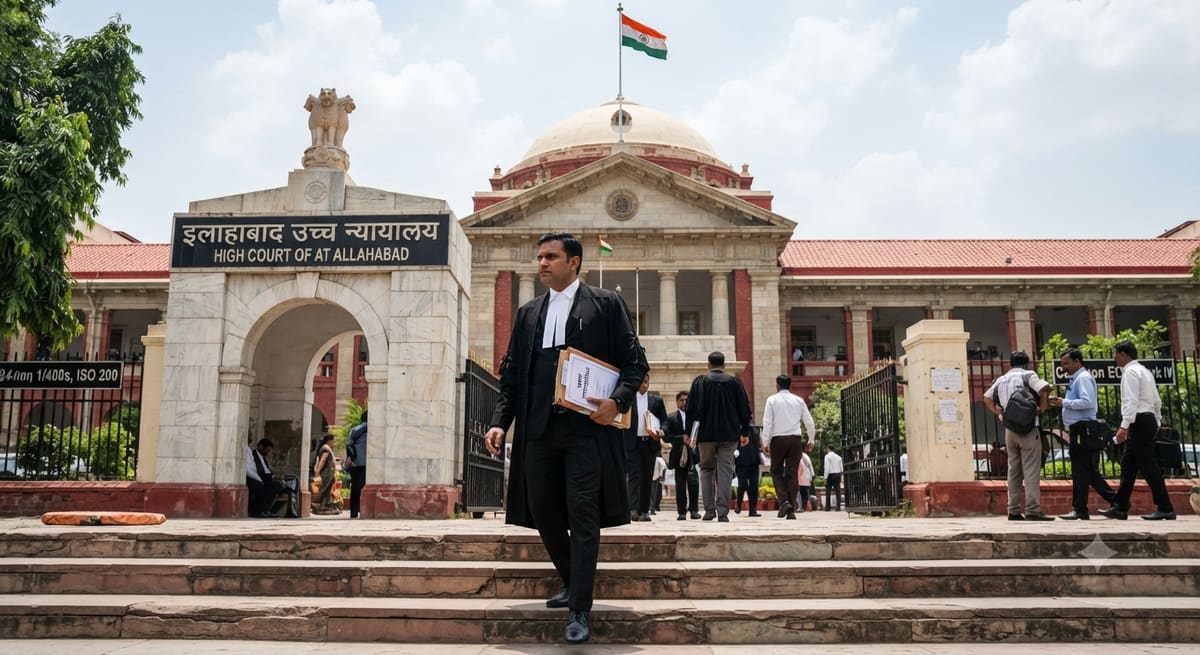
The Chhattisgarh High Court has underscored the importance of procedural fairness in service matters by directing state authorities to consider representations for salary enhancement under the Samagra Shiksha Mission. The judgment clarifies that while courts may not directly enforce financial claims, they can mandate timely consideration of grievances, ensuring administrative accountability without usurping executive functions.
Background & Facts
The Dispute
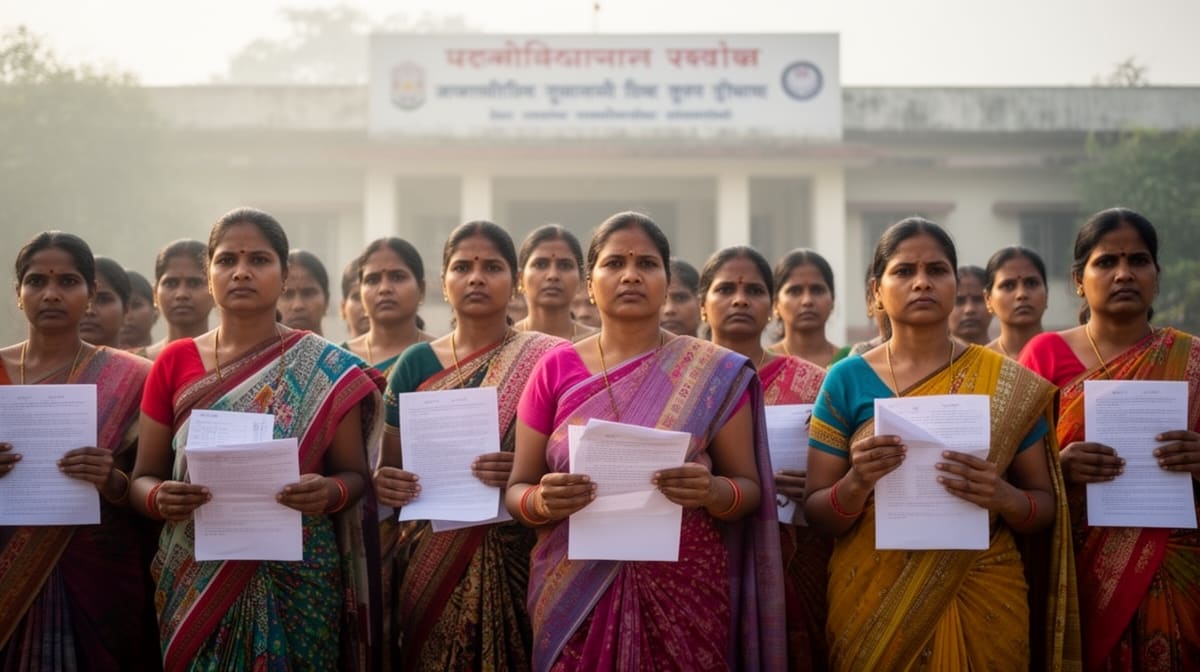
The petitioners, six women employed as cooks and assistants in Kasturba Gandhi Girls Hostels across Balrampur-Ramanujganj district, challenged the non-implementation of a notification dated 29.09.2023 that enhanced their monthly salary to Rs. 13,200. Despite the notification, they continued to receive only Rs. 8,369, prompting them to approach the High Court through a writ petition under Article 226 seeking a mandamus to enforce the enhanced pay scale.
Procedural History
The dispute originated from oral representations made to the respondents, which remained unaddressed. Key procedural steps include:
- 2023: Notification issued for salary enhancement
- 2024-2025: Petitioners’ repeated oral requests ignored
- 2026: Writ petition filed before the Chhattisgarh High Court
Relief Sought
The petitioners sought two primary reliefs:
- A direction to the respondents to implement the enhanced salary of Rs. 13,200 with consequential benefits
- An order to consider their representation for salary adjustment under the Collector rate, which they claimed had also been revised
The Legal Issue
The central question before the Court was whether a writ of mandamus could be issued to compel the state authorities to:
- Implement the salary enhancement notification directly, or
- Consider the petitioners’ representation for salary adjustment within a specified timeframe
Arguments Presented
For the Petitioners
Learned counsel for the petitioners argued that:
- The notification dated 29.09.2023 clearly entitled them to the enhanced salary of Rs. 13,200
- The respondents’ failure to act on their oral representations violated principles of natural justice
- The Court could direct the authorities to consider their representation expeditiously, citing precedents like State of U.P. v. Harish Chandra & Co. for judicial intervention in administrative delays
For the Respondents
Learned counsel for respondents No. 2 to 8 contended that:
- The notification specified payment at the Collector rate, which had not been uniformly enhanced
- The petitioners had not submitted a formal representation with supporting documents
- The Court should not interfere in executive functions but could direct the authorities to consider the petitioners’ grievances in accordance with law
The Court's Analysis
The Court adopted a procedural approach, balancing the petitioners’ right to fair consideration with the separation of powers doctrine. Key observations included:
-
Judicial Restraint in Financial Matters: The Court noted that while it could not directly enforce salary payments, it could mandate timely consideration of representations. This aligns with the principle in Union of India v. Tulsiram Patel that courts should avoid usurping executive functions.
-
Procedural Fairness: The Court emphasized that the petitioners’ oral requests were insufficient to trigger administrative action. It held that a formal representation with supporting documents was necessary to enable the authorities to take an informed decision.
"In the facts of the case, I find it appropriate to dispose of this Petition at this stage by permitting the Petitioners to submit a comprehensive representation along with all supporting documents. In the event such representation is submitted, Respondents No. 3 & 4 shall consider and decide the same in accordance with law, expeditiously, preferably within a period of three months from the date of receipt of the representation."
- Time-Bound Disposal: The Court directed the respondents to decide the representation within three months, reflecting the expeditious disposal mandate under Article 226 as reiterated in State of M.P. v. Nandlal Jaiswal.
The Verdict
The Court disposed of the writ petition with the following directions:
- The petitioners were permitted to submit a comprehensive representation with supporting documents
- Respondents No. 3 and 4 were directed to consider and decide the representation within three months from its receipt
- The decision was to be taken in accordance with law, ensuring procedural fairness and adherence to the notification dated 29.09.2023
What This Means For Similar Cases
Mandamus Is Not Automatic for Financial Claims
Practitioners must note that writs of mandamus cannot be used to directly enforce financial entitlements like salary enhancements. Courts are likely to:
- Direct the authorities to consider representations rather than issue peremptory orders
- Require formal documentation to trigger administrative action
- Impose time-bound disposal to prevent undue delays
Procedural Compliance Is Non-Negotiable
- Formal representations with supporting documents are mandatory to seek judicial intervention
- Oral requests are insufficient to establish a legal grievance
- Petitioners must demonstrate exhaustion of administrative remedies before approaching the court
Time-Bound Directions for Administrative Action
- Courts are increasingly imposing strict timelines for disposal of representations
- Practitioners should highlight delays in their pleadings to strengthen their case
- Three months appears to be the emerging standard timeline for such directions, as seen in this judgment and State of U.P. v. Harish Chandra & Co.