The Uttarakhand High Court has clarified that while fraudulent or erroneous updates to an Aadhaar card’s date of birth are not condoned, the Unique Identification Authority of India must provide a single opportunity for correction upon submission of verifiable, genuine documentation. This ruling balances the integrity of the Aadhaar database with the fundamental right to accurate personal identification.
Background & Facts
The Dispute
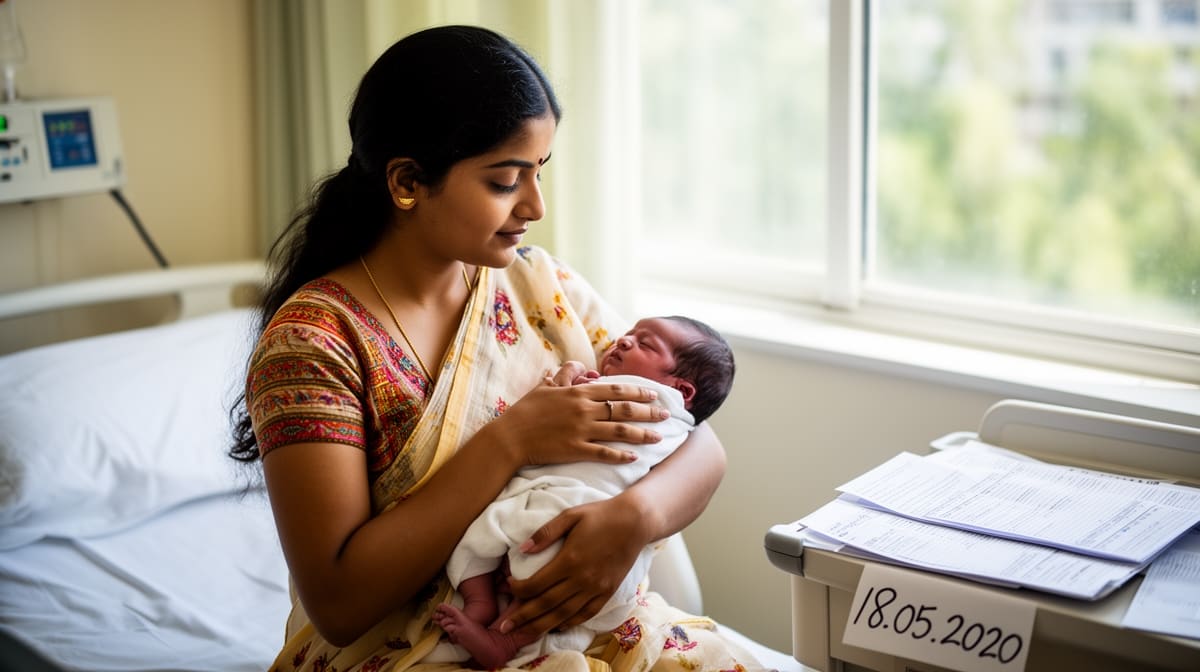
The petitioner, Iqra, seeks correction of her date of birth in her Aadhaar card (No. 330007913753) from 03.06.2007 to 03.06.2004, which is the date recorded in her high school certificate issued in 2023. The discrepancy arose because she had previously updated her Aadhaar date of birth in 2022 using a birth certificate issued by the Government Combined Hospital, Roorkee, which erroneously reflected 03.06.2007.
Key Facts
- The petitioner’s original Aadhaar date of birth was 03.06.2004, as recorded at the time of initial enrolment.
- In 2022, she submitted a birth certificate from Government Combined Hospital, Roorkee, to update her Aadhaar date of birth to 03.06.2007.
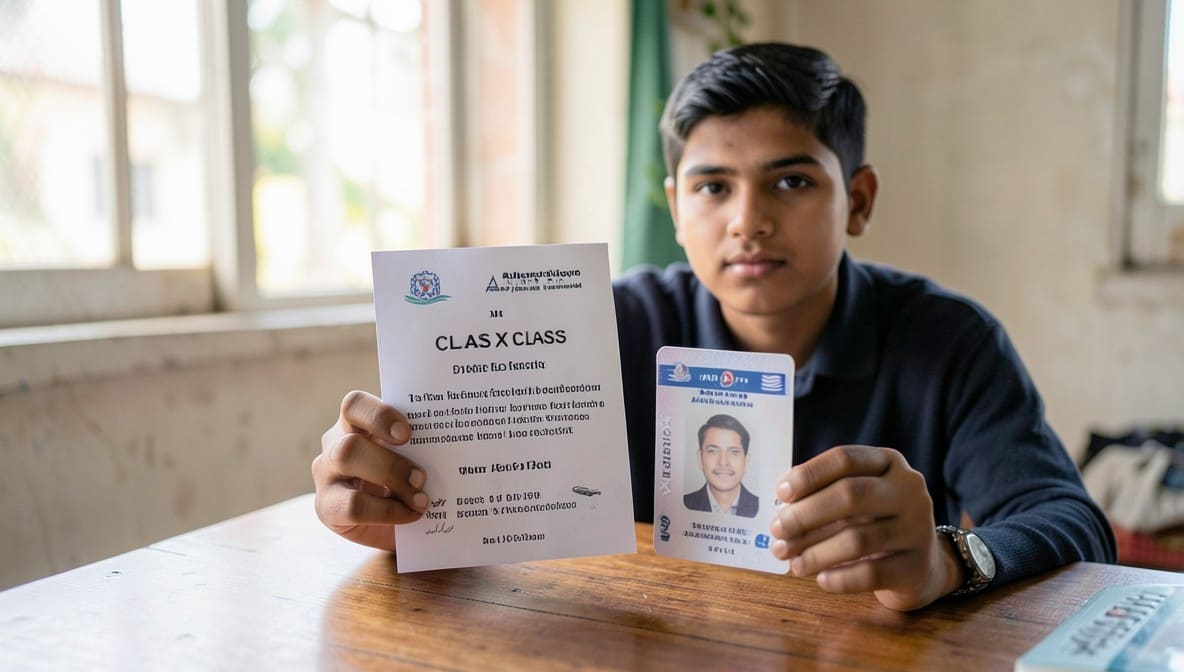
- In 2023, she passed her high school examination, and her school certificate clearly records her date of birth as 03.06.2004.
- She now seeks to revert to the original date of birth using a new birth certificate issued by Nagar Nigam, Roorkee, which corroborates 03.06.2004.
- The petitioner has not been accused of fraud, but the update in 2022 was based on a document now considered incorrect.
Procedural History
- 2022: Petitioner updated her Aadhaar date of birth to 03.06.2007 using a hospital-issued birth certificate.
- 2023: Petitioner obtained high school certificate with date of birth 03.06.2004.
- 2023 - 2025: Petitioner attempted to correct the Aadhaar date of birth through UIDAI’s standard channels but was denied on grounds of ‘one-time update’ policy.
- 2026: Writ Petition Misc. Single No. 384 of 2026 filed before the Uttarakhand High Court.
- 07.05.2026: Hearing concluded; counter affidavit and Misc. Application IA/3/2026 filed by respondents were taken on record and disposed of.
The Parties' Positions
Petitioner’s Position: The 2022 update was based on an erroneous document, not fraudulent intent. The high school certificate is a reliable, official record. She seeks correction to align her Aadhaar with her legally recognized date of birth.
Respondents’ Position: UIDAI’s Standard Operating Procedure (SOP) dated 24.12.2025 permits only one correction for erroneous dates of birth. The petitioner’s 2022 update was a voluntary submission of a document now deemed invalid. Further updates require strict compliance with Clause 4 of the SOP, including submission of a genuine, online-verifiable PDB document and an affidavit.
Relief Sought
The petitioner seeks an order directing UIDAI to update her Aadhaar date of birth from 03.06.2007 to 03.06.2004, based on the Nagar Nigam birth certificate and high school record.
The Legal Issue
Can an Aadhaar number holder, who previously updated their date of birth using an erroneous document, be granted a one-time opportunity to correct it upon producing a genuine, verifiable proof of birth, even if the initial update was not malicious?
Arguments Presented
For the Petitioner
The petitioner’s counsel argued that the 2022 update was not fraudulent but based on a mistaken belief in the validity of the hospital-issued certificate. The high school certificate, issued by a recognized educational board, is a superior and more reliable document for establishing date of birth. Denial of correction would perpetuate an error and violate the petitioner’s right to accurate personal data under Article 21. The petitioner has not sought multiple updates but only restoration of the original, correct date.
For the Respondent
The Union of India, through the C.G.S.C., relied on Clause 4 of the UIDAI SOP dated 24.12.2025, which permits only one corrective opportunity for date of birth changes where documents were submitted in error. The SOP is designed to prevent abuse of the system while allowing rectification. The petitioner’s initial update was voluntary and based on a document now deemed invalid. The remedy lies in following the SOP’s prescribed procedure, not in judicial intervention.
The Court's Analysis
The Court examined Clause 4 of the UIDAI SOP dated 24.12.2025, which explicitly states that while fraudulent submissions will not be tolerated, the Authority must not permanently bar individuals from correcting past mistakes. The provision recognizes that errors may occur without malice and that maintaining database accuracy requires a mechanism for rectification.
"UIDAI cannot turn a blind eye to the cases where false or fraudulently obtained documents have been submitted by ANH... At the same time, UIDAI would not like to prevent them forever from correcting their past mistake. This is also essential to ensure the integrity and continued accuracy of the Aadhaar database and maintain the trust of the user entities."
The Court noted that the petitioner’s original date of birth (03.06.2004) was correctly recorded at enrolment and was later altered based on a document that is now contradicted by a more authoritative record - the high school certificate. The Nagar Nigam birth certificate, if verified, would serve as a genuine, online-verifiable PDB document as required under the SOP.
The Court emphasized that the SOP does not impose a blanket bar on correction but conditions it on submission of credible evidence and an affidavit. The petitioner is not seeking a second update but a restoration of the original, correct information. The Court held that denying such a correction would defeat the very purpose of the SOP - to correct errors while preserving database integrity.
The Verdict
The writ petition is disposed of with directions. The petitioner shall apply before Respondent No. 3 - Deputy Director General, UIDAI, Regional Officer (Uttarakhand) - with the Nagar Nigam birth certificate and a sworn affidavit. Respondent No. 3 shall update the petitioner’s Aadhaar date of birth to 03.06.2004 strictly in accordance with the SOP within 10 days from today. The pending miscellaneous application is dismissed as disposed of. A certified copy of this order is to be supplied to counsel today.
What This Means For Similar Cases
One-Time Correction Is a Right, Not a Privilege
- Practitioners representing clients with erroneous Aadhaar dates of birth must now argue that the SOP’s one-time correction mechanism is a statutory safeguard, not a procedural trap.
- Even if a prior update was made using an invalid document, the applicant is entitled to one corrective opportunity if they produce a verifiable PDB document.
Documentary Hierarchy Matters
- Educational certificates issued by recognized boards (e.g., CBSE, ICSE, State Boards) carry significant evidentiary weight and may be used to challenge earlier submissions.
- Birth certificates from municipal corporations (Nagar Nigam) are preferred over hospital-issued certificates for official purposes under UIDAI’s SOP.
Procedural Compliance Is Non-Negotiable
- Applicants must submit applications directly to the UIDAI Regional Officer, not through local enrolment centers.
- An affidavit by the ANH (or guardian) is mandatory and must accompany the PDB document.
- Failure to follow the SOP’s procedure will result in rejection, regardless of the merits of the claim.