Topic

Undue Delay

3 articlesLatest June 2026
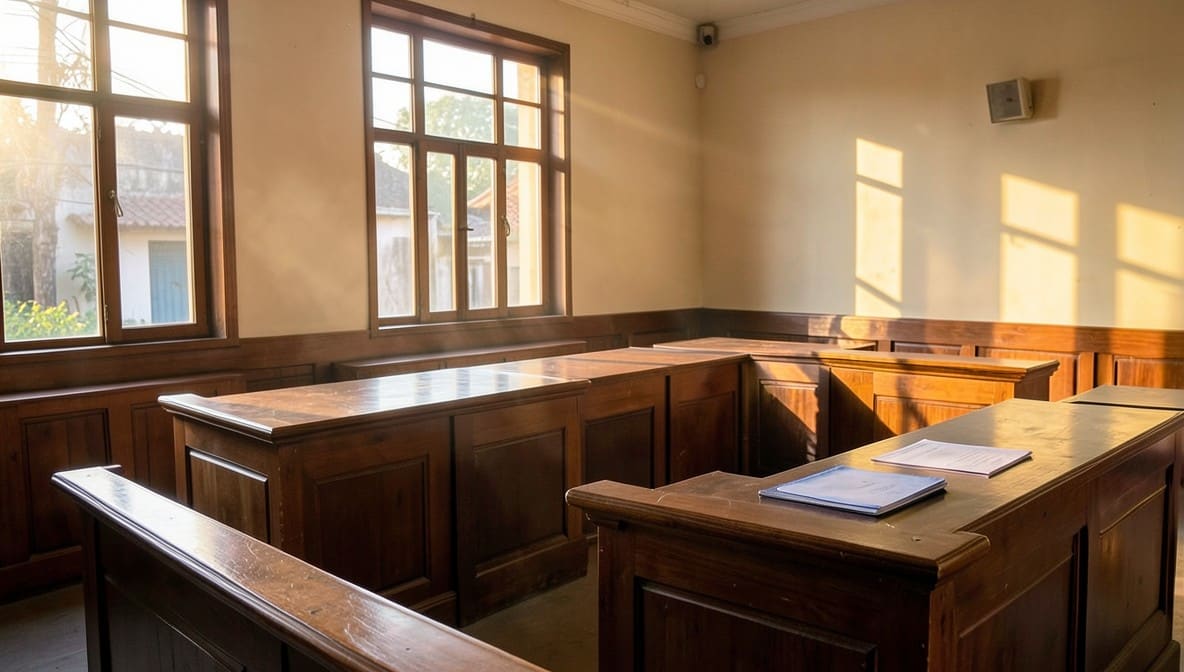
POCSO Act Section 6 | Bail Granted After 6 Years of Trial with Only Two Witnesses and No FSL Report: Allahabad HC
Case Law Analysis
|Allahabad High Court

POCSO Act Section 6 | Bail Granted After 6 Years of Trial with Only Two Witnesses and No FSL Report: Allahabad HC

The Allahabad High Court granted bail to an accused in a POCSO case after six years of inaction, with only two witnesses examined and no forensic report available. This ruling reinforces that excessive pre-trial detention without meaningful prosecution progress violates the right to speedy trial under Article 21, even in serious sexual offense cases, setting a critical precedent for judicial accountability in delayed POCSO trials.
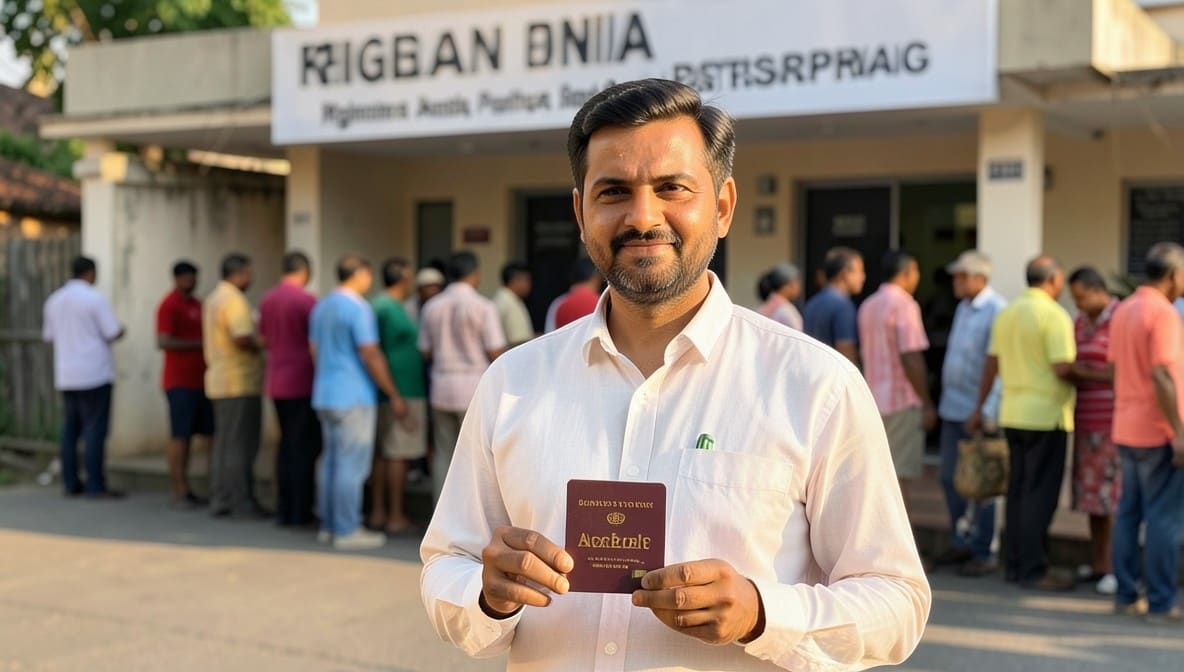

Passports Act 1967 | No Tatkaal Passport Delay Without Charge Sheet: Andhra Pradesh HC Upholds Article 14, 19, 21 Rights
Case Law Analysis
|Andhra Pradesh High Court

Passports Act 1967 | No Tatkaal Passport Delay Without Charge Sheet: Andhra Pradesh HC Upholds Article 14, 19, 21 Rights

The Andhra Pradesh High Court has ruled that delaying a Tatkaal passport application solely due to administrative inaction-when no charge sheet or court order exists-constitutes a violation of the right to travel, equality, and personal liberty. This sets a clear precedent for passport authorities: procedural silence cannot override statutory rights under the Passports Act, especially when no criminal bar is present.

Section 20(b)(ii)(B) NDPS Act | Undue Trial Delay & Low Contraband Quantity Justify Sentence Reduction to Time Served : Chhattisgarh HC
Case Law Analysis
|Chhattisgarh High Court

Section 20(b)(ii)(B) NDPS Act | Undue Trial Delay & Low Contraband Quantity Justify Sentence Reduction to Time Served : Chhattisgarh HC

Chhattisgarh High Court reduces a 5-year sentence to time served (1 year 9 months) for possession of 2kg cannabis, emphasizing proportionality where undue procedural delay and sub-commercial quantity mitigate punishment. The ruling underscores judicial discretion in balancing retribution with fairness in NDPS cases.