Topic

Tribal Rights

Tribal rights in India refer to legal protections for Scheduled Tribes under laws like the Forest Rights Act, 2006, and the Panchayats (Extension to Scheduled Areas) Act, 1996, ensuring land, resource, and governance rights in tribal areas.

7 articlesLatest June 2026
Bengal Eastern Frontier Regulation 1873 | Inner Line Permit Extension to Dimapur Valid Under Colonial Continuity & Reasonable Restrictions : Gauhati HC
Case Law Analysis
|Gauhati High Court

Bengal Eastern Frontier Regulation 1873 | Inner Line Permit Extension to Dimapur Valid Under Colonial Continuity & Reasonable Restrictions : Gauhati HC

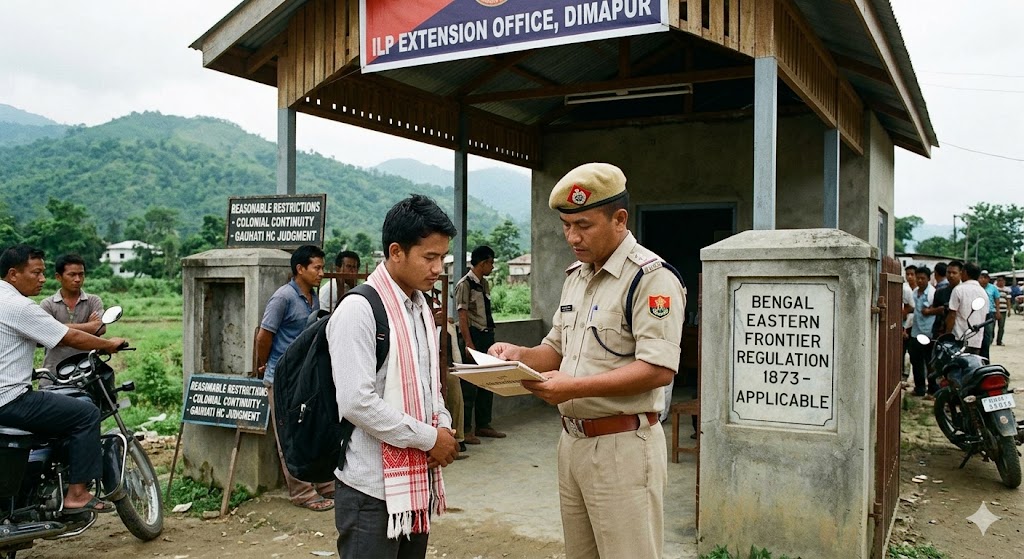
Gauhati High Court upholds the application of the Inner Line Permit regime to Dimapur, Chumoukedima, and Niuland under the Bengal Eastern Frontier Regulation, 1873, affirming its continuity under Article 372. The judgment rejects challenges under Articles 14, 19, and 21, clarifying that the permit system constitutes a reasonable restriction under Article 19(5) to protect tribal rights and public order.


Forest Rights Act, 2006 | Coercive Eviction Stayed During Statutory Revision; Natural Justice Requires Pause Until Decision: Gujarat HC
Case Law Analysis
|Gujarat High Court

Forest Rights Act, 2006 | Coercive Eviction Stayed During Statutory Revision; Natural Justice Requires Pause Until Decision: Gujarat HC

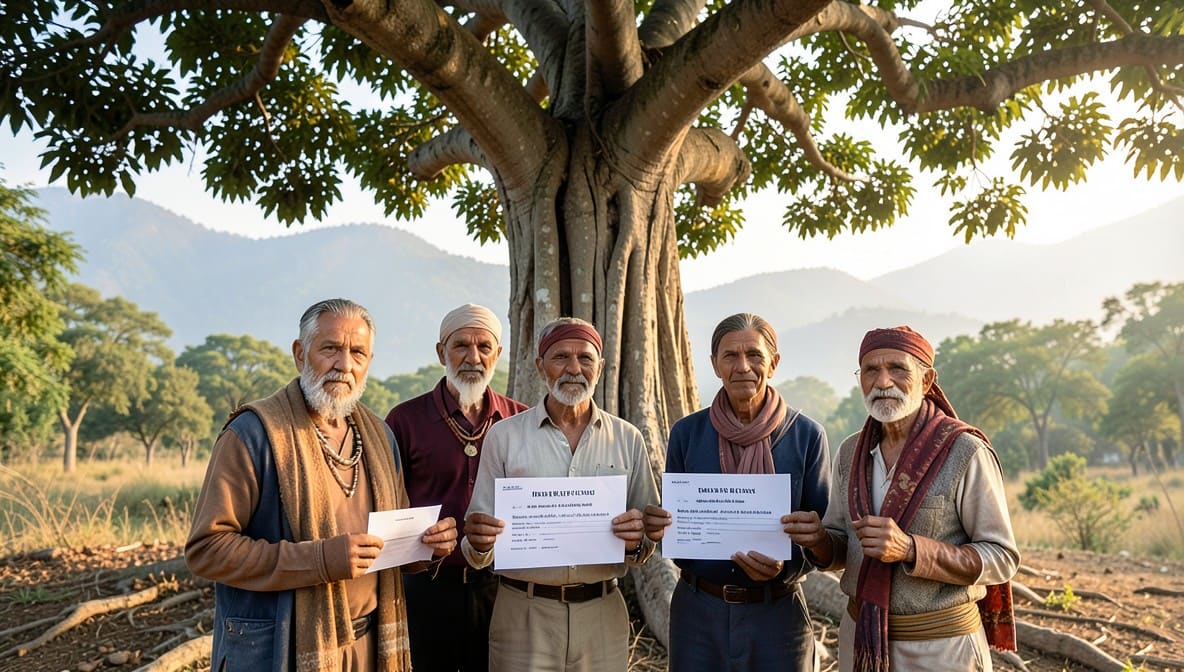
The Gujarat High Court has halted all demolition and eviction actions against tribal families while their land rights claims are under statutory review under the Forest Rights Act, 2006. This stay upholds the Act’s protective intent and enforces natural justice by preventing irreversible harm before a final determination, directly safeguarding the livelihoods of generations-old forest-dwelling communities.

Gram Sabha Recommendations & Long-Term Cultivation Establish FRA Entitlement | Gujarat HC Directs State to Decide Claims in 8 Weeks : Gujarat HC
Case Law Analysis
|Gujarat High Court

Gram Sabha Recommendations & Long-Term Cultivation Establish FRA Entitlement | Gujarat HC Directs State to Decide Claims in 8 Weeks : Gujarat HC

Gujarat High Court rules that Gram Sabha recommendations and evidence of long-term cultivation are sufficient to establish entitlement under the Forest Rights Act, 2006. The Court directs the State to adjudicate pending claims within eight weeks, emphasizing procedural fairness and timely resolution for tribal land rights.

Forest Rights Act, 2006 | No Deadline for Filing Claims; Gujarat HC Directs State to Provide Forms & Decide Pending Representations : Gujarat HC
Case Law Analysis
|Gujarat High Court

Forest Rights Act, 2006 | No Deadline for Filing Claims; Gujarat HC Directs State to Provide Forms & Decide Pending Representations : Gujarat HC

Gujarat High Court reaffirms that the Forest Rights Act, 2006 imposes no time limit for filing tribal land claims, making it an ongoing process. The court directed the state to provide claim forms and decide pending representations within eight weeks, ensuring compliance across all tribal districts. This ruling reinforces tribal rights and mandates administrative accountability under the FRA.

PESA Act Section 4(m) | Gram Sabha Consent Mandatory Before Minor Mineral Auctions in Scheduled Areas : Bombay HC Nagpur Bench
Case Law Analysis
|Bombay High Court

PESA Act Section 4(m) | Gram Sabha Consent Mandatory Before Minor Mineral Auctions in Scheduled Areas : Bombay HC Nagpur Bench

Bombay High Court Nagpur Bench reinforces tribal autonomy under the PESA Act, 1996, ruling that Gram Sabha consultation is non-negotiable before minor mineral auctions in Scheduled Areas. The judgment directs Maharashtra to align its auction policy with PESA provisions, impacting mineral governance and tribal rights enforcement across Fifth Schedule regions.

Special Bonafide Resident Certificate (TSP) | Marital Status Cannot Invalidate Native Residence Claim for Tribal Rights : Rajasthan HC
Case Law Analysis
|Rajasthan High Court

Special Bonafide Resident Certificate (TSP) | Marital Status Cannot Invalidate Native Residence Claim for Tribal Rights : Rajasthan HC

The Rajasthan High Court has ruled that denying a woman a Special Bonafide Resident Certificate solely because she moved out of a Tribal Sub-Plan area after marriage violates Article 14 and undermines the very purpose of the certificate, which is tied to ancestral residence, not marital relocation. This sets a critical precedent protecting the land and welfare rights of married women from patriarchal administrative practices in tribal regions.