Topic

transit bail

8 articlesLatest July 2026
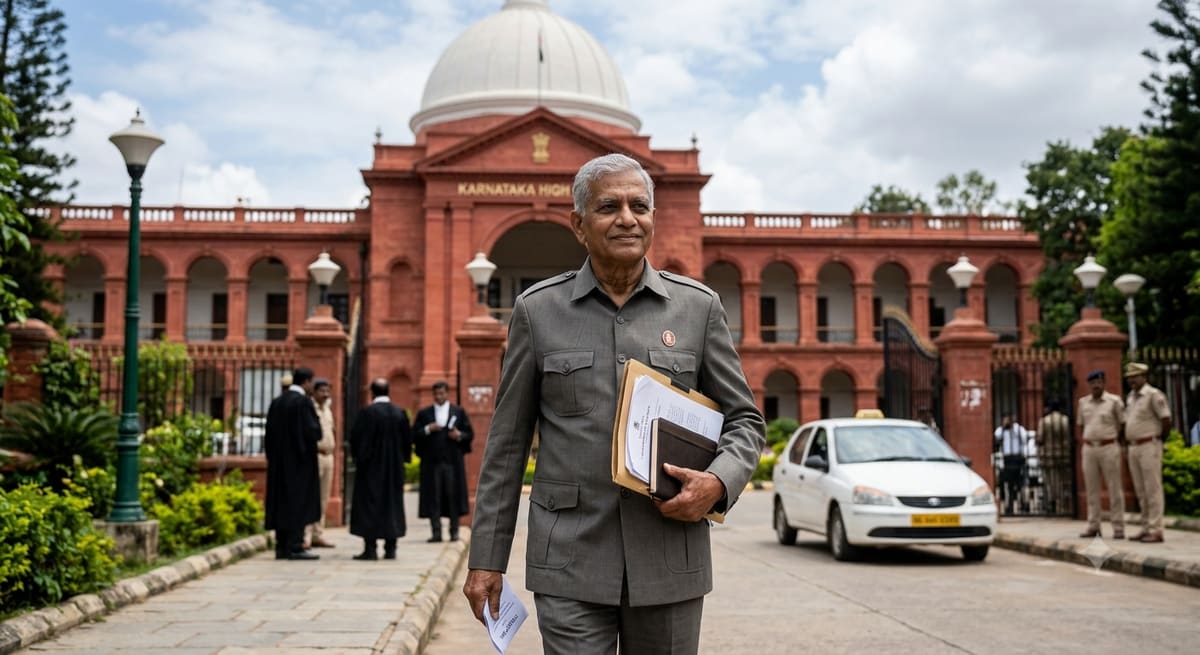
Section 482 BNSS | Transit Anticipatory Bail Granted to 78-Year-Old Ex-Service Man in Inter-State Cheating Case : Karnataka HC
Case Law Analysis
|Karnataka High Court

Section 482 BNSS | Transit Anticipatory Bail Granted to 78-Year-Old Ex-Service Man in Inter-State Cheating Case : Karnataka HC

Karnataka High Court grants limited transit anticipatory bail under Section 482 BNSS to a 78-year-old ex-service man, enabling him to approach the jurisdictional court in Madhya Pradesh. The ruling underscores the court's discretion to balance age, service record, and the need for fair legal recourse in inter-state criminal proceedings.

Transit Anticipatory Bail Permitted for CGST Act Section 132 Offences Across States | Karnataka HC Sets 10-Day Window with Strict Flight Risk Conditions
Case Law Analysis
|Karnataka High Court

Transit Anticipatory Bail Permitted for CGST Act Section 132 Offences Across States | Karnataka HC Sets 10-Day Window with Strict Flight Risk Conditions

The Karnataka High Court has granted transit anticipatory bail to individuals facing DGGI probes in Chennai, allowing them 10 days to appear before the jurisdictional court while imposing stringent conditions to prevent evasion. This ruling clarifies that geographical jurisdiction does not bar bail under Section 438 CrPC when the accused are residents of Karnataka, setting a precedent for economic offence cases involving multi-state investigations.

Transit Bail Under BNSS Section 482 | Kerala HC Affirms Power to Shield Accused from Inter-State Arrest Pending Jurisdictional Application : Kerala HC
Case Law Analysis
|Kerala High Court

Transit Bail Under BNSS Section 482 | Kerala HC Affirms Power to Shield Accused from Inter-State Arrest Pending Jurisdictional Application : Kerala HC

The Kerala High Court has recognized its authority to grant transit bail under BNSS Section 482 when an accused faces imminent inter-state arrest, protecting personal liberty while mandating that the accused approach the jurisdictional court within three weeks. This ruling clarifies that territorial limits do not bar interim relief when immediate arrest would cause irreparable harm, setting a vital precedent for accused persons caught in jurisdictional gaps across India.