Topic

Right to Fair Hearing

The right to fair hearing in Indian law ensures that individuals receive a reasonable opportunity to present their case before any judicial or administrative authority, as guaranteed under Articles 14 and 21 of the Constitution.

6 articlesLatest April 2026
CPC Order 17 Rule 18 | Right to Cross-Examine Not Waived Due to Inadequate Advocacy; Tribunal Must Permit Recall on Costs : MP HC Indore
Case Law Analysis
|Madhya Pradesh High Court

CPC Order 17 Rule 18 | Right to Cross-Examine Not Waived Due to Inadequate Advocacy; Tribunal Must Permit Recall on Costs : MP HC Indore

The Madhya Pradesh High Court has ruled that a petitioner’s failure to effectively cross-examine witnesses due to poor legal representation does not forfeit their right to a fair hearing. The court ordered the Motor Accident Claims Tribunal to allow recall of witnesses upon payment of costs, reinforcing that procedural fairness trumps technical defaults in adversarial proceedings.
Section 483 BNSS | Appellate Courts Must Examine Records & Appoint Amicus Before Default Dismissal of Criminal Appeals : Madras HC
Case Law Analysis
|Madras High Court

Section 483 BNSS | Appellate Courts Must Examine Records & Appoint Amicus Before Default Dismissal of Criminal Appeals : Madras HC

Madras High Court rules that appellate courts cannot dismiss criminal appeals for default without reviewing trial records or appointing amicus curiae, especially in cases involving personal liberty. The judgment reinforces the duty of appellate courts to adjudicate on merits, aligning with Supreme Court precedents on natural justice and fair hearing.

CPC Order VIII Rule 1 | Defence Cannot Be Struck Off Without Reasonable Opportunity to File Written Statement : Punjab & Haryana HC
Case Law Analysis
|Punjab and Haryana High Court

CPC Order VIII Rule 1 | Defence Cannot Be Struck Off Without Reasonable Opportunity to File Written Statement : Punjab & Haryana HC

The Punjab & Haryana High Court has ruled that striking off a defendant’s defence for failing to file a written statement violates natural justice unless a reasonable opportunity is granted first. This reinforces that procedural fairness under the CPC is non-negotiable, especially when fundamental rights to defend one’s case are at stake, affecting litigants across civil suits in trial courts.

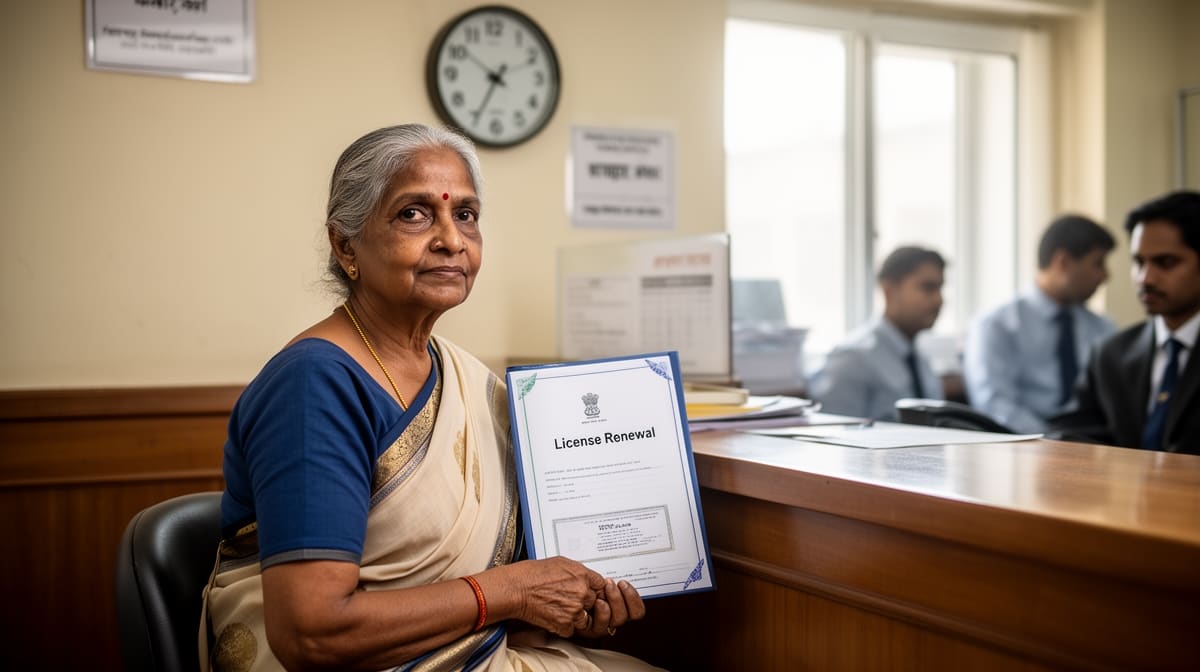
Undue Administrative Delay in License Renewal Violates Article 14 & 21 | Rajasthan HC Directs Expeditious Disposal with Reasoned Orders
Case Law Analysis
|Rajasthan High Court

Undue Administrative Delay in License Renewal Violates Article 14 & 21 | Rajasthan HC Directs Expeditious Disposal with Reasoned Orders

The Rajasthan High Court ruled that prolonged delays by administrative authorities in deciding license renewal applications infringe upon the right to a fair hearing under Articles 14 and 21 of the Constitution. The Court directed the District Collector, Sirohi, to dispose of the petitioner's representation within six weeks, emphasizing the need for timely and reasoned orders to prevent procedural injustice. This ruling reinforces the obligation of public bodies to adhere to natural justice principles in agency-related matters.