Topic

provisional assessment

5 articlesLatest August 2026
CAS-4 Governs Valuation for State-Owned Manufacturers; Unjust Enrichment Inapplicable to Central Excise Refund Claims : CESTAT Chennai
Case Law Analysis
|Custom, Excise & Service Tax Tribunal

CAS-4 Governs Valuation for State-Owned Manufacturers; Unjust Enrichment Inapplicable to Central Excise Refund Claims : CESTAT Chennai

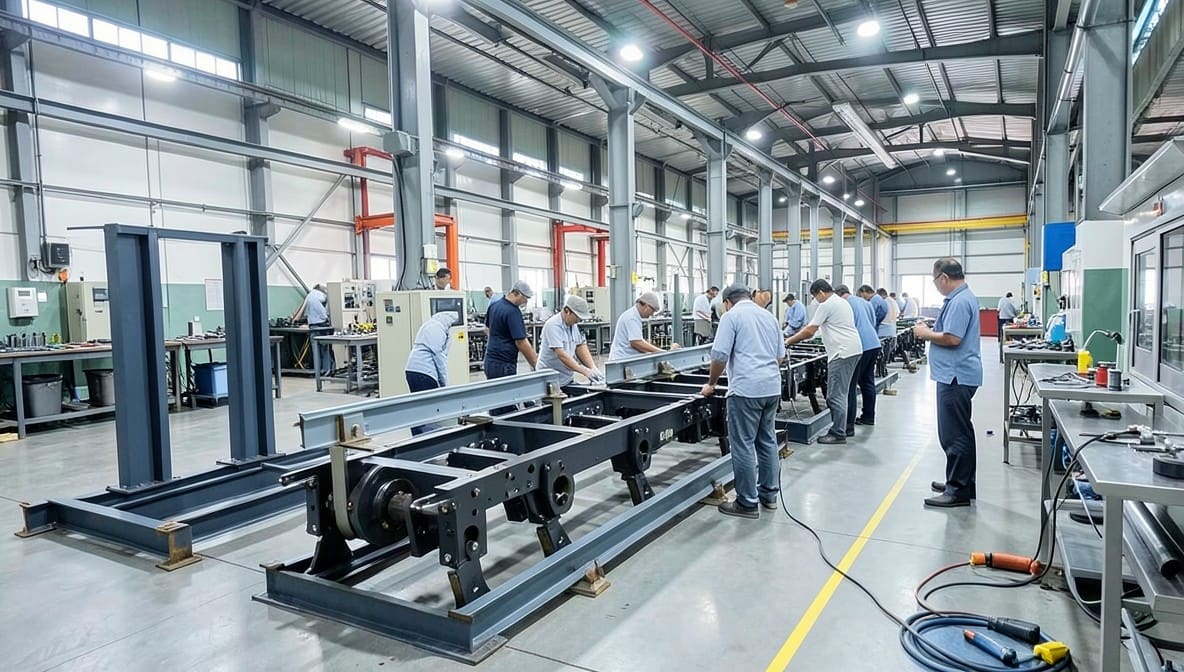
CESTAT Chennai rules that Integral Coach Factory’s refund claims for excess excise duty are not barred by unjust enrichment, as state-owned entities engaged in public manufacturing are exempt from this doctrine. Valuation must follow CAS-4 standards, not the Railway Code, affirming that cost-based accounting methods used in batch production are legally valid for duty calculation and refund eligibility.

Section 126 Electricity Act 2003 | Provisional Assessment Void Without Physical Inspection & MRI Data Disclosure : HP HC
Case Law Analysis
|Himachal Pradesh High Court

Section 126 Electricity Act 2003 | Provisional Assessment Void Without Physical Inspection & MRI Data Disclosure : HP HC

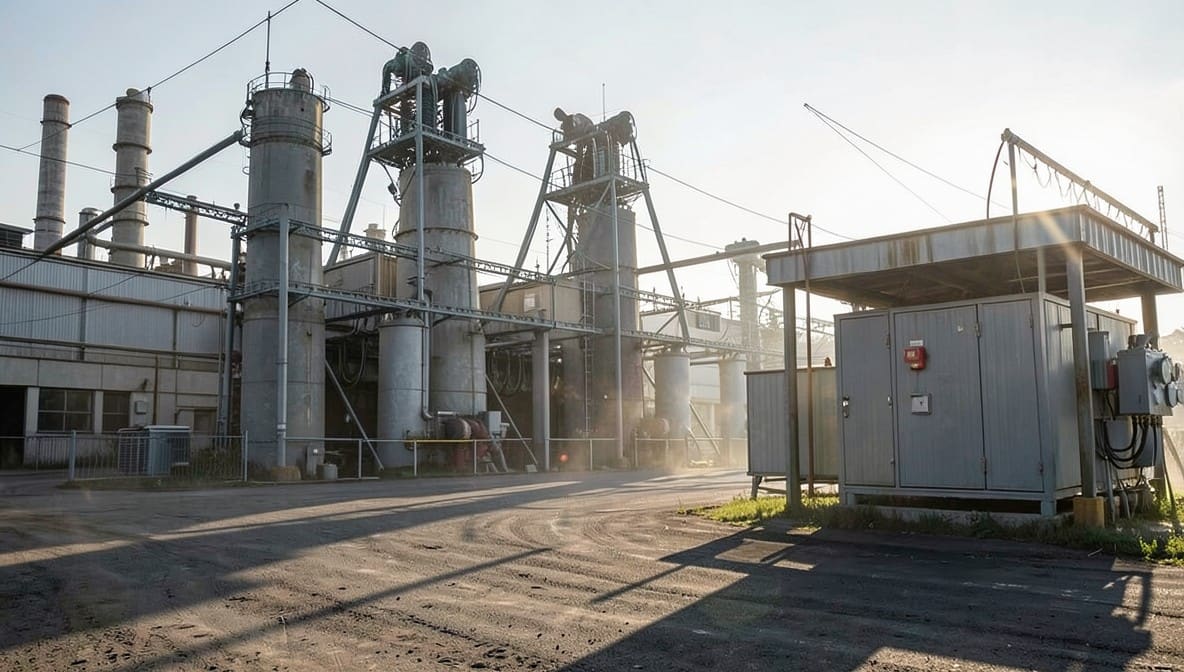
HP High Court rules that provisional electricity assessments under Section 126 must be preceded by physical inspection and disclosure of MRI data to the consumer, failing which the assessment violates natural justice and is void. This precedent mandates procedural fairness in utility enforcement across India, impacting all electricity boards and consumers facing unauthorized usage allegations.

Section 9A Customs Tariff Act | No Retrospective Anti-Dumping Duty During Gap Between Provisional and Final Duty : CESTAT Kolkata
Case Law Analysis
|Custom, Excise & Service Tax Tribunal

Section 9A Customs Tariff Act | No Retrospective Anti-Dumping Duty During Gap Between Provisional and Final Duty : CESTAT Kolkata

CESTAT Kolkata rules that anti-dumping duty cannot be levied retrospectively for the period between the lapse of provisional duty and issuance of final duty, reinforcing WTO compliance and Section 9A of the Customs Tariff Act. This protects importers from unexpected financial burdens during assessment gaps.