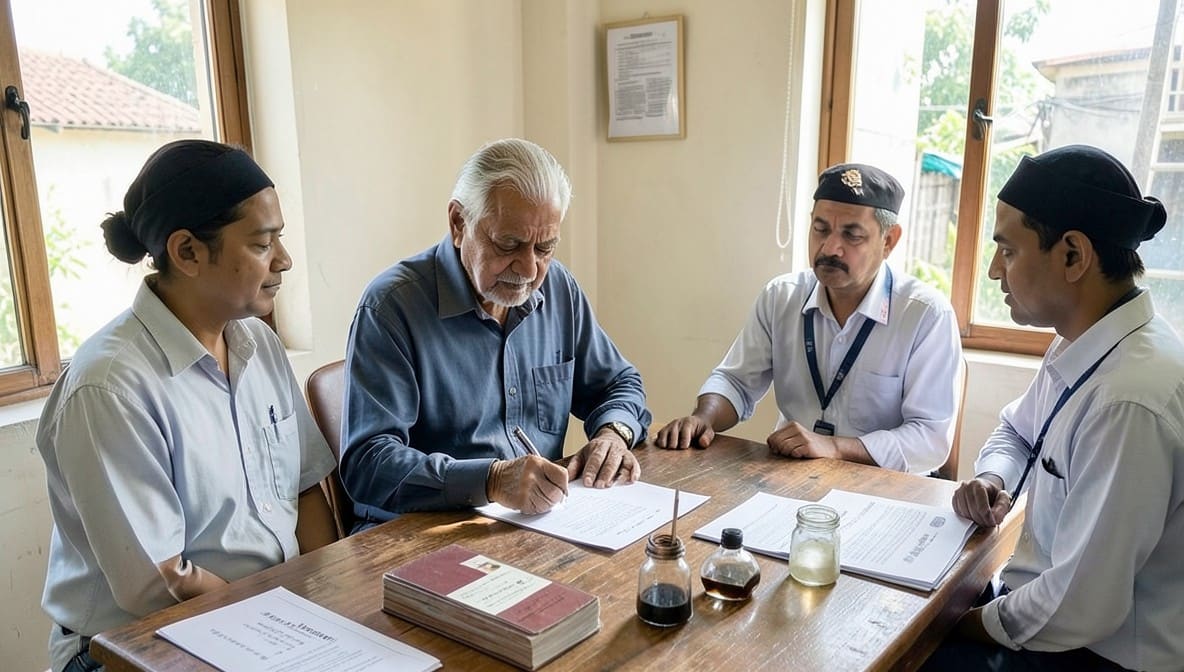
Topic

Probate Law

Probate law in India governs the legal validation of a will and the administration of a deceased person's estate through court-supervised processes under the Indian Succession Act, 1925.

8 articlesLatest July 2026
Executor's rights vest at death; Will registration not required for interim injunction | Probate & Injunction under Sec 213 ISA 1925 : Calcutta HC
Case Law Analysis
|Calcutta High Court

Executor's rights vest at death; Will registration not required for interim injunction | Probate & Injunction under Sec 213 ISA 1925 : Calcutta HC

The Calcutta High Court ruled that an executor’s rights to the deceased’s property vest immediately on death, even before probate. It also held that a will’s registration is irrelevant for granting an ad-interim injunction to preserve the property. Executors can therefore enforce claims and restrain third parties prior to probate.


Section 63 Indian Succession Act | Certification of Will Corrections by Testator and Sub-Registrar Validates Execution Despite Alterations: MP HC Gwalior
Case Law Analysis
|Madhya Pradesh High Court

Section 63 Indian Succession Act | Certification of Will Corrections by Testator and Sub-Registrar Validates Execution Despite Alterations: MP HC Gwalior

The Madhya Pradesh High Court held that when a testator certifies corrections to a will and a Sub-Registrar attests to the execution, such formal validation negates suspicion under Section 63, upholding the will’s validity even with handwritten amendments. This clarifies that minor alterations, if properly authenticated, do not invalidate testamentary intent - a critical precedent for probate practitioners handling contested wills with marginal changes.

Will Construction | After-Acquired Property Excluded Unless Expressly Included in Testamentary Disposition : Punjab & Haryana HC
Case Law Analysis
|Punjab and Haryana High Court

Will Construction | After-Acquired Property Excluded Unless Expressly Included in Testamentary Disposition : Punjab & Haryana HC

The Punjab & Haryana High Court has ruled that a will cannot automatically extend to property acquired or reverted after its execution unless the testator’s intent to include such property is expressly stated. This reinforces the strict constructionist approach to testamentary documents, impacting heirs and executors who assume post-execution assets fall under existing wills without explicit language.

Section 63 Indian Succession Act | Beneficiary's Presence During Will Execution Not Inherently Suspicious: HP HC
Case Law Analysis
|Himachal Pradesh High Court

Section 63 Indian Succession Act | Beneficiary's Presence During Will Execution Not Inherently Suspicious: HP HC

The Himachal Pradesh High Court holds that the mere presence of a beneficiary at the time of a will's execution does not, by itself, create a suspicious circumstance under Section 63 of the Indian Succession Act. Registration of the will and the totality of surrounding evidence remain the decisive factors for proving due execution, offering clarity to executors, beneficiaries, and contesting heirs alike.

Natural Justice in Probate Proceedings | Mandatory Notice to All Interested Parties, Even Remote Heirs: Gauhati HC Sets Aside Probate Granted Without Due Process
Case Law Analysis
|Gauhati High Court

Natural Justice in Probate Proceedings | Mandatory Notice to All Interested Parties, Even Remote Heirs: Gauhati HC Sets Aside Probate Granted Without Due Process

Gauhati HC ruled that probate courts cannot adjudicate title disputes and must issue mandatory notice to all interested parties, including remote heirs, before granting probate. The court set aside a probate granted without notice to appellants, remanding the matter for fresh hearing under principles of natural justice. This ruling reinforces procedural safeguards in succession disputes under the Indian Succession Act.