Topic

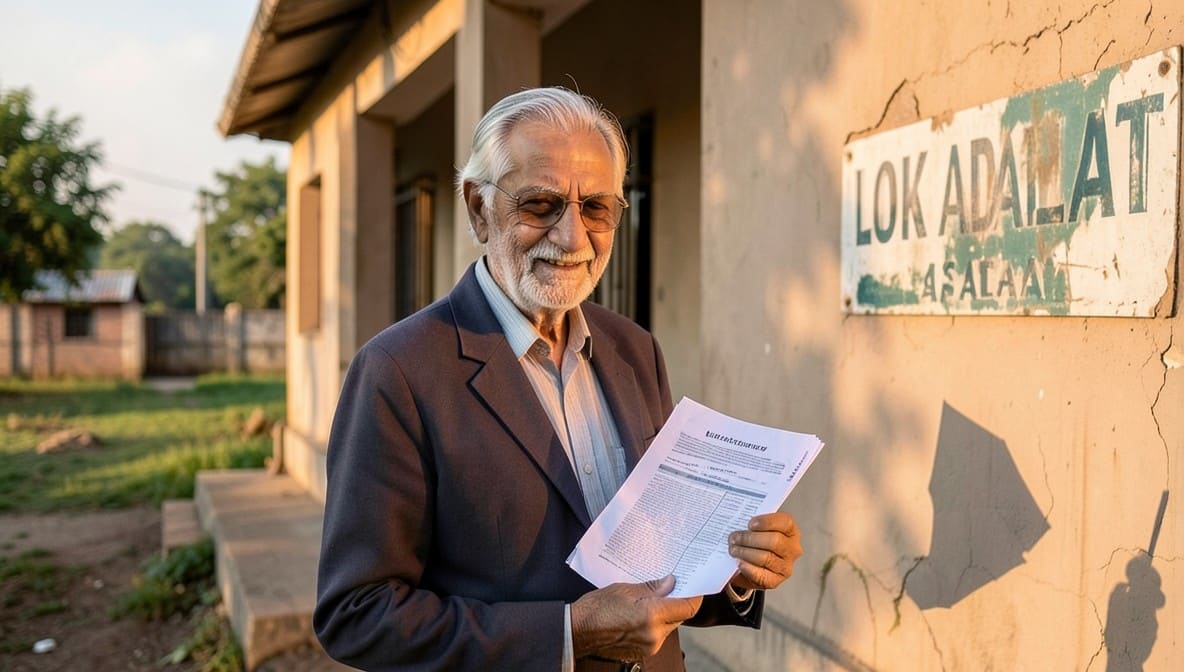
Lok Adalat Award

A Lok Adalat award is a legally binding settlement reached through alternative dispute resolution under the Legal Services Authorities Act, 1987, and has the status of a civil court decree in India.

5 articlesLatest April 2026
Lok Adalat Award Enforceable as Writ Mandate | Non-Compliance Violates Constitutional Rights : Jharkhand HC
Case Law Analysis
|Jharkhand High Court

Lok Adalat Award Enforceable as Writ Mandate | Non-Compliance Violates Constitutional Rights : Jharkhand HC

Jharkhand High Court rules that failure to implement a Lok Adalat award under the Legal Services Authorities Act within the stipulated deadline amounts to a violation of constitutional rights. The court directed the state to comply within four weeks, with 6% interest from the award date, reinforcing that writ jurisdiction can directly enforce statutory settlements.


Article 226 Writ Jurisdiction | Private Employers Not Amenable to Writ Petitions Where Statutory Remedy Exists Under Industrial Disputes Act : Uttarakhand HC
Case Law Analysis
|Uttarakhand High Court

Article 226 Writ Jurisdiction | Private Employers Not Amenable to Writ Petitions Where Statutory Remedy Exists Under Industrial Disputes Act : Uttarakhand HC

Uttarakhand High Court rules that writ petitions under Article 226 are not maintainable against private employers for breach of Lok Adalat awards if statutory remedies under the U.P. Industrial Disputes Act, 1947 are available. The court emphasized that private entities not discharging public functions lack state instrumentality, reinforcing the bar on extraordinary relief where alternative legal recourse exists.

Lok Adalat Awards Are Civil Decrees | Section 482 CrPC Inapplicable for Challenge : Allahabad HC
Case Law Analysis
|Allahabad High Court

Lok Adalat Awards Are Civil Decrees | Section 482 CrPC Inapplicable for Challenge : Allahabad HC

The Allahabad High Court has ruled that Lok Adalat awards, even when no settlement is reached, function as civil decrees and cannot be challenged through criminal revision under Section 482 CrPC. This clarifies that only constitutional writs under Articles 226 or 227 provide the proper remedy, protecting the finality of alternative dispute resolution outcomes and limiting misuse of criminal procedure in civil matters.

Order 47 CPC | Subsequent Judgments Cannot Ground Review Petition: Calcutta HC Reaffirms Statutory Bar on Rearguing Merits
Case Law Analysis
|Calcutta High Court

Order 47 CPC | Subsequent Judgments Cannot Ground Review Petition: Calcutta HC Reaffirms Statutory Bar on Rearguing Merits

The Calcutta High Court dismissed a review petition attempting to overturn a judgment based on a later Supreme Court ruling, holding that Order 47 Rule 1 CPC strictly limits review grounds to errors apparent on the face of the record. The ruling reinforces that litigants cannot use subsequent judgments to reopen concluded cases, preserving finality in civil proceedings.

Lok Adalat Awards Void If Fraudulent or Jurisdictionally Defective | Wills Executed Abroad Valid Under Indian Succession Law : AP HC
Case Law Analysis
|Andhra Pradesh High Court

Lok Adalat Awards Void If Fraudulent or Jurisdictionally Defective | Wills Executed Abroad Valid Under Indian Succession Law : AP HC

The Andhra Pradesh High Court ruled that Lok Adalat awards obtained through fraud or lack of jurisdiction are invalid, reinforcing judicial oversight over settlements. It also upheld the validity of wills executed abroad if they comply with Indian formalities, while affirming that public charitable trusts exist without mandatory registration. The judgment underscores writ petitions as a remedy against tainted settlements, impacting succession disputes and alternative dispute resolution mechanisms.