Topic

Judicial Discipline

Judicial discipline in Indian law refers to the principles ensuring judges adhere to procedural fairness, hierarchy, and restraint in exercising authority, avoiding overreach or forum shopping.

13 articlesLatest July 2026
Binding Precedent in Tariff Classification | Revenue Barred from Re-litigating Tribunal's Final Classification After Supreme Court Affirmation : CESTAT Allahabad
Case Law Analysis
|Custom, Excise & Service Tax Tribunal

Binding Precedent in Tariff Classification | Revenue Barred from Re-litigating Tribunal's Final Classification After Supreme Court Affirmation : CESTAT Allahabad

CESTAT Allahabad has ruled that once a tariff classification is finally settled by the Tribunal and upheld by the Supreme Court, revenue authorities cannot reopen or challenge it in subsequent assessments. This reinforces the principle of finality in tax adjudication, providing certainty to importers and curbing repetitive litigation by tax authorities.

Successive Bail Applications Under POCSO & BNS Require Material Change in Circumstances | HP HC Reaffirms Judicial Discipline
Case Law Analysis
|Himachal Pradesh High Court

Successive Bail Applications Under POCSO & BNS Require Material Change in Circumstances | HP HC Reaffirms Judicial Discipline

Himachal Pradesh High Court dismisses a successive bail plea under POCSO and Bharatiya Nyaya Sanhita, holding that mere trial delays or witness examination progress do not constitute a 'material change' warranting reconsideration. The ruling underscores that judicial discipline precludes repetitive bail petitions absent new, substantive developments, impacting bail jurisprudence in serious offences.

Section 10(23C)(vi) IT Act | Exemption Valid from Assessment Year Claimed Despite Delayed Registration: ITAT Agra Upholds Substantive Right Over Procedural Lapse
Case Law Analysis
|Income Tax Appellate Tribunal

Section 10(23C)(vi) IT Act | Exemption Valid from Assessment Year Claimed Despite Delayed Registration: ITAT Agra Upholds Substantive Right Over Procedural Lapse

ITAT Agra rules that educational institutions are entitled to tax exemption under Section 10(23C)(vi) from the assessment year claimed, even if registration is delayed. The tribunal prioritized substantive rights over procedural lapses, setting a precedent for similar cases where recognition certificates are pending.

Commercial Courts Act | Appellate Courts Barred from Granting Interim Relief on Reserved Interlocutory Applications : Karnataka HC
Case Law Analysis
|Karnataka High Court

Commercial Courts Act | Appellate Courts Barred from Granting Interim Relief on Reserved Interlocutory Applications : Karnataka HC

The Karnataka High Court held that once a commercial court reserves orders on an interlocutory application, appellate courts cannot intervene with interim relief, even if irreparable harm is alleged. This ruling reinforces judicial hierarchy and prevents bypassing of procedural timelines in commercial disputes, impacting litigants seeking urgent relief during reserved judgments.

Article 14 & 15 | Married Daughters Entitled to Compassionate Appointment Under Constitutional Equality : Allahabad HC Strikes Down Discriminatory Rules
Case Law Analysis
|Allahabad High Court

Article 14 & 15 | Married Daughters Entitled to Compassionate Appointment Under Constitutional Equality : Allahabad HC Strikes Down Discriminatory Rules

Allahabad High Court holds that excluding married daughters from compassionate appointment violates Articles 14 and 15 of the Constitution, striking down discriminatory service rules. The ruling mandates equal treatment for all dependents, irrespective of marital status, setting a precedent for gender equality in public employment.

TNSTCE Pension Scheme 1998 | Daily Wage Employees Entitled to Family Pension from Date of Appointment : Madras HC
Case Law Analysis
|Madras High Court

TNSTCE Pension Scheme 1998 | Daily Wage Employees Entitled to Family Pension from Date of Appointment : Madras HC

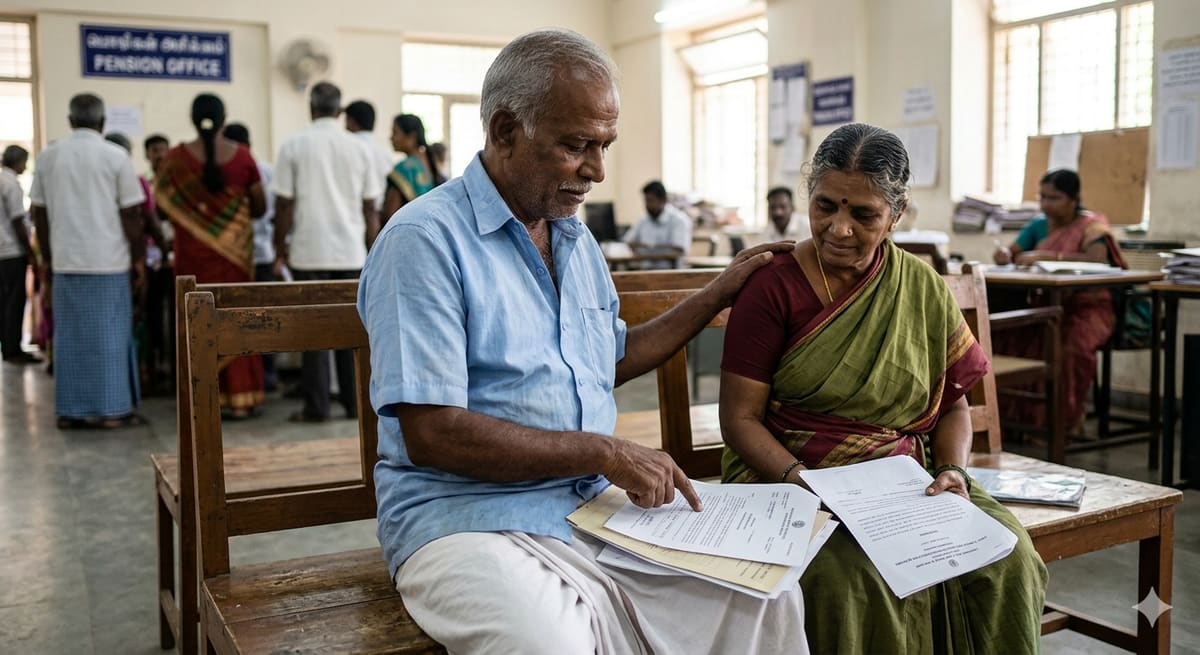
Madras High Court rules that daily wage employees of Tamil Nadu State Transport Corporation are entitled to family pension under the TNSTCE Pension Scheme 1998, counting their service from the date of appointment. The Court directed payment of pensionary benefits within eight weeks, reinforcing that arbitrary exclusions violate judicial discipline and service law principles.

Successive Bail Applications | No Material Change in Circumstances Bars Relief Under BNS: Himachal Pradesh HC
Case Law Analysis
|Himachal Pradesh High Court

Successive Bail Applications | No Material Change in Circumstances Bars Relief Under BNS: Himachal Pradesh HC

The Himachal Pradesh High Court dismissed successive bail applications under the Bhartiya Nyaya Sanhita (BNS), holding that without a material change in circumstances, courts cannot re-evaluate evidence or grant bail merely due to trial delays in serious offences. This reaffirms judicial discipline in bail jurisprudence, impacting accused persons in cases punishable by life imprisonment or death.

Contempt of Court | Advisory Orders Without Enforceable Directives Cannot Ground Contempt; Frivolous Petitions Incur Costs : Punjab & Haryana HC
Case Law Analysis
|Punjab and Haryana High Court

Contempt of Court | Advisory Orders Without Enforceable Directives Cannot Ground Contempt; Frivolous Petitions Incur Costs : Punjab & Haryana HC

The Punjab & Haryana High Court dismissed a contempt petition because the order alleged to be violated was purely advisory, not mandatory. It imposed Rs. 40,000 in costs on the petitioner for abusing judicial process, reinforcing that contempt requires clear, binding directions - not suggestions. This ruling deters litigants from weaponizing contempt proceedings against non-enforceable judicial advice.

Rent Authority Cannot Override Final Eviction Order | SC Upholds Judicial Hierarchy and Bars Forum Shopping : SC
Case Law Analysis
|Supreme Court of India

Rent Authority Cannot Override Final Eviction Order | SC Upholds Judicial Hierarchy and Bars Forum Shopping : SC

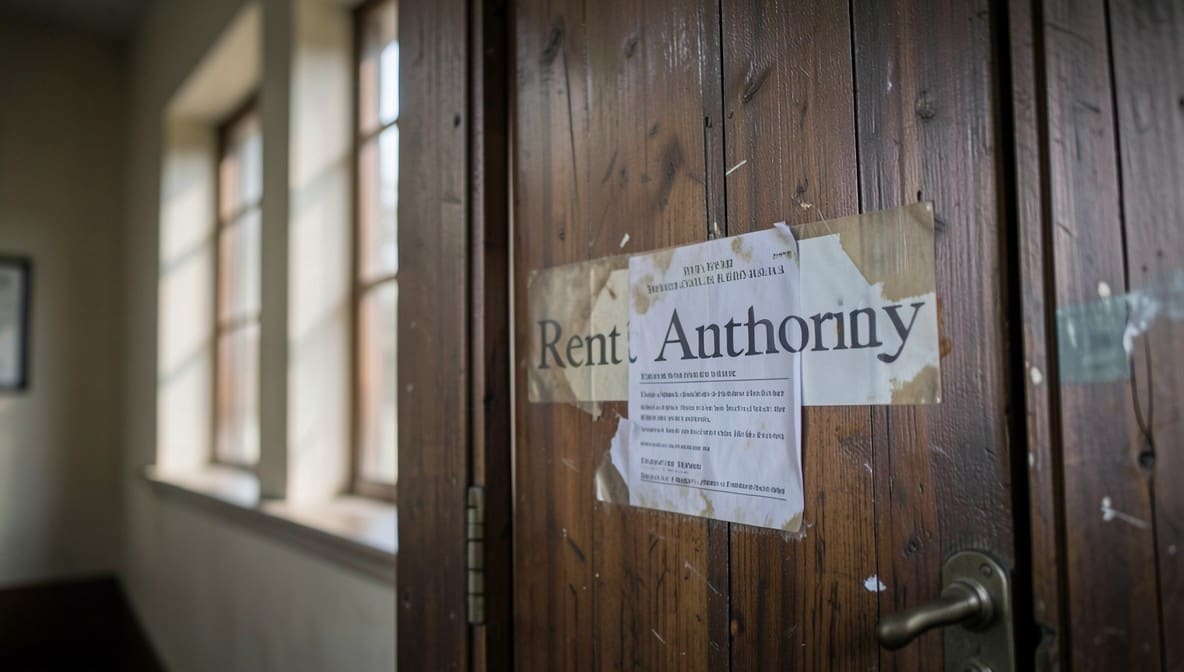
The Supreme Court has ruled that Rent Authorities lack jurisdiction to set aside eviction orders already affirmed by multiple courts, including the High Court and this Court. This reinforces the principle that administrative tribunals cannot circumvent final judicial decisions, curbing procedural abuse and upholding the hierarchy of courts in civil disputes.

PIL Maintainability | Service Disputes Cannot Be Adjudicated via Public Interest Litigation: Punjab & Haryana HC Imposes Costs for Frivolous Petition
Case Law Analysis
|Punjab and Haryana High Court

PIL Maintainability | Service Disputes Cannot Be Adjudicated via Public Interest Litigation: Punjab & Haryana HC Imposes Costs for Frivolous Petition

The Punjab & Haryana High Court reiterated that service-related grievances, including compassionate appointments, cannot be challenged through PILs. The Court dismissed a petition contesting appointments after the 2018 Amritsar train tragedy and imposed Rs. 10,000 costs, emphasizing that PILs are not a substitute for individual service disputes. This ruling reinforces judicial discipline and prevents misuse of PIL jurisdiction.

Section 12AB(4) IT Act | Retrospective Cancellation of Charitable Registration Violates Judicial Discipline : ITAT Hyderabad
Case Law Analysis
|Income Tax Appellate Tribunal

Section 12AB(4) IT Act | Retrospective Cancellation of Charitable Registration Violates Judicial Discipline : ITAT Hyderabad

ITAT Hyderabad rules that Section 12AB(4) of the Income Tax Act cannot be applied retrospectively to cancel charitable registration for prior assessment years. The tribunal emphasized judicial discipline, holding that lower authorities must follow higher judicial decisions even if they disagree, and cannot revisit settled issues without explicit legislative intent.