Topic

judgment debtor

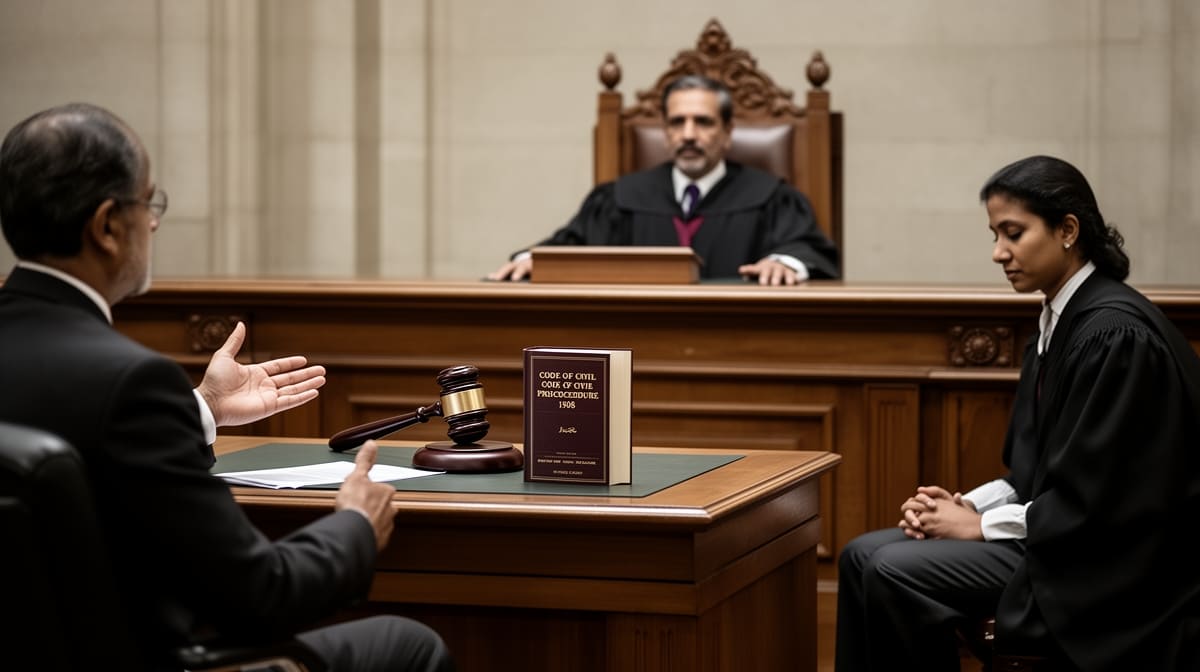
A judgment debtor in Indian law is a person against whom a court has issued a binding monetary decree and who has failed to satisfy it. This page provides latest judgments, case analyses, and updates on execution proceedings under Order 21 of the CPC, including arrest, notice requirements.

6 articlesLatest June 2026
CPC Section 60(1)(kb) | Insurance Maturity Proceeds Lose Exemption Upon Payout to Judgment Debtor: Bombay HC
Case Law Analysis
|Bombay High Court

CPC Section 60(1)(kb) | Insurance Maturity Proceeds Lose Exemption Upon Payout to Judgment Debtor: Bombay HC

The Bombay High Court has ruled that once insurance maturity proceeds are paid out to the policyholder, they cease to be protected under CPC Section 60(1)(kb), making them attachable by decree holders. This clarifies a critical boundary in asset protection, affecting insurers, policyholders, and creditors alike by ending ambiguity around when exempt funds become recoverable assets.

CPC Section 58(2) | Re-arrest Permitted for Remaining Civil Detention Period After Partial Service : MP HC Jabalpur
Case Law Analysis
|Madhya Pradesh High Court

CPC Section 58(2) | Re-arrest Permitted for Remaining Civil Detention Period After Partial Service : MP HC Jabalpur

The Madhya Pradesh High Court clarifies that a judgment debtor may be re-arrested under CPC Section 58(2) to serve the unexpired portion of the maximum three-month civil detention term, even after partial confinement. This upholds the execution court’s authority to complete the statutory detention period, ensuring debt recovery mechanisms remain effective without violating procedural safeguards.

Conditional Arrest Warrants in Execution Proceedings | Judgment Debtor’s Installment Proposal Stays Arrest: Punjab & Haryana HC
Case Law Analysis
|Punjab and Haryana High Court

Conditional Arrest Warrants in Execution Proceedings | Judgment Debtor’s Installment Proposal Stays Arrest: Punjab & Haryana HC

Punjab & Haryana HC stays eight conditional arrest warrants after the judgment debtor commits to paying Rs. 2 lakh upfront and submitting a structured installment plan for the remaining Rs. 10.13 lakh. The ruling underscores that courts may consider reasonable repayment proposals to avoid coercive measures under Order XXI CPC.