Topic

Family Courts Act

The Family Courts Act, 1984 establishes specialized courts in India to handle matrimonial disputes, child custody, maintenance, and related family matters with a focus on conciliation.

25 articlesLatest 3 weeks ago
Section 19(iii) HMA | "Last Resided Together" Means Final Joint Residence; Earlier Matrimonial Home Displaced by Subsequent Stay : Delhi HC
Case Law Analysis
|Delhi High Court

Section 19(iii) HMA | "Last Resided Together" Means Final Joint Residence; Earlier Matrimonial Home Displaced by Subsequent Stay : Delhi HC

The Delhi HC ruled that "last resided together" under Section 19(iii) HMA means the final joint residence - a four-year Gurugram stay displacing an earlier 18-month Delhi residence. The divorce petition was rightly returned for want of jurisdiction, and the appeal dismissed on maintainability (wrong respondent) and merits.

Secretly recorded electronic evidence of adultery admissible in Section 125 CrPC maintenance applications | Family Court proceedings : MP HC
Case Law Analysis
|Madhya Pradesh High Court

Secretly recorded electronic evidence of adultery admissible in Section 125 CrPC maintenance applications | Family Court proceedings : MP HC

The Madhya Pradesh High Court ruled that a compact-disc and transcript alleging the wife’s adultery can be used as secondary evidence and must be considered when deciding interim maintenance under Section 125 CrPC, overturning the Family Court’s order. This establishes that secretly captured electronic material is permissible evidence in maintenance disputes, affecting spouses seeking or contesting maintenance.

Divorced Wife’s Maintenance Right Continues Until Remarriage | Sec 125 CrPC : HP HC
|Himachal Pradesh High Court

Divorced Wife’s Maintenance Right Continues Until Remarriage | Sec 125 CrPC : HP HC

The Himachal Pradesh High Court affirmed a Rs 4,000-per-month maintenance order for a divorced wife, holding that Section 125 CrPC guarantees support until she remarries, regardless of the husband’s financial-hardship pleas. This safeguards divorced women’s livelihood until they enter a new marriage.

Section 19(1) Family Courts Act - Appellate Court Quashes Perverse Restitution of Conjugal Rights Order | JHHC
Case Law Analysis
|Jharkhand High Court

Section 19(1) Family Courts Act - Appellate Court Quashes Perverse Restitution of Conjugal Rights Order | JHHC

The Jharkhand High Court overturned a family-court decree ordering a wife to resume marital cohabitation, finding the order perverse for ignoring evidence of cruelty and the lawful cause of her withdrawal. The ruling highlights the appellate power under Section 19(1) to set aside family-court findings that conflict with substantive facts, affecting spouses facing restitution of conjugal rights petitions.

Lump-Sum Maintenance Discharge Clause | Family Settlement Terms Supersede Income-Linked Obligations : SC
Case Law Analysis
|Supreme Court of India

Lump-Sum Maintenance Discharge Clause | Family Settlement Terms Supersede Income-Linked Obligations : SC

Supreme Court rules that a lump-sum payment under a family settlement (Clause 10) extinguishes interim income-linked maintenance (Clause 9), affirming concurrent findings of the Family Court and High Court. The ruling clarifies the hierarchy of settlement terms over prior maintenance obligations, impacting parties bound by mutual consent decrees.

Section 65B Evidence Act | Self-Certification of Electronic Evidence from Personal Devices Valid Without Third-Party Certificate : Andhra Pradesh HC
Case Law Analysis
|Andhra Pradesh High Court

Section 65B Evidence Act | Self-Certification of Electronic Evidence from Personal Devices Valid Without Third-Party Certificate : Andhra Pradesh HC

The Andhra Pradesh High Court ruled that electronic evidence from personal devices, including WhatsApp chats, emails, and digital photographs, can be admitted under Section 65B of the Evidence Act with a self-certificate alone, provided it meets statutory requirements. This clarifies a critical procedural hurdle in family law and other litigation, eliminating the need for third-party certification for evidence generated from personal devices.

Family Courts Act | Physical Presence Mandatory for Matrimonial Reconciliation; Video Conferencing Permissible Only After Settlement Failure : Andhra Pradesh HC
Case Law Analysis
|Andhra Pradesh High Court

Family Courts Act | Physical Presence Mandatory for Matrimonial Reconciliation; Video Conferencing Permissible Only After Settlement Failure : Andhra Pradesh HC

Andhra Pradesh High Court reinforces that matrimonial reconciliation under the Family Courts Act requires in-person attendance, citing statutory confidentiality and the sanctity of personal interaction. Video conferencing may only be permitted post-failure of settlement, ensuring procedural integrity in sensitive family disputes.

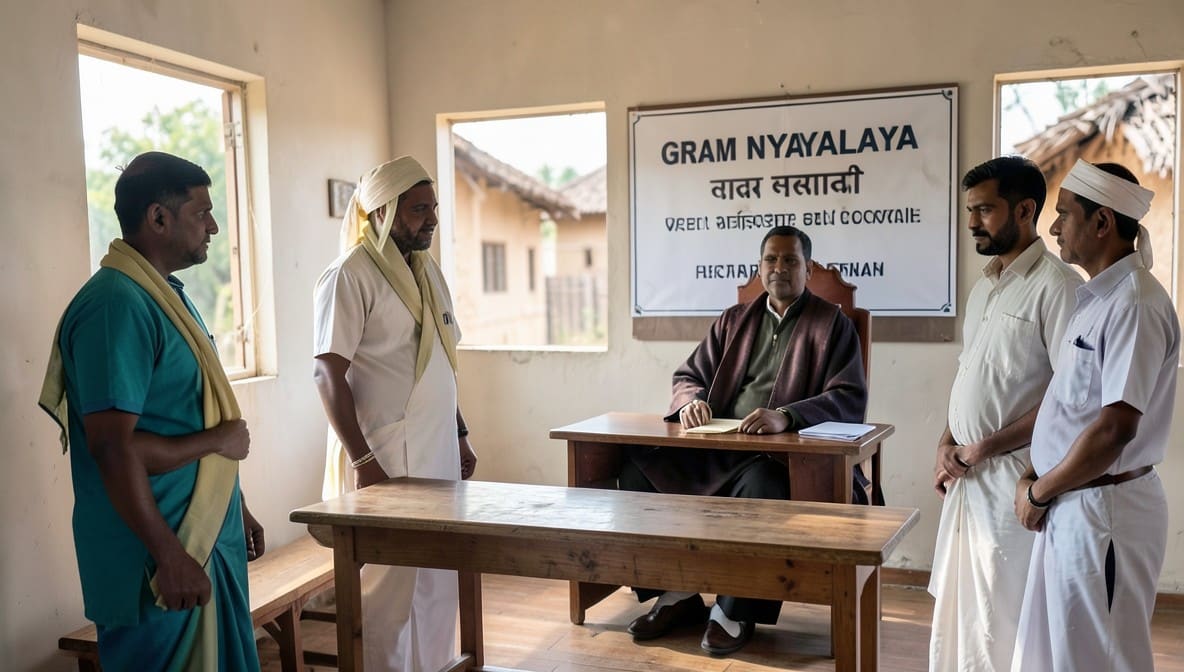
Section 8(b) Family Courts Act | Gram Nyayalaya Lacks Jurisdiction to Modify Family Court Maintenance Orders: Allahabad HC
Case Law Analysis
|Allahabad High Court

Section 8(b) Family Courts Act | Gram Nyayalaya Lacks Jurisdiction to Modify Family Court Maintenance Orders: Allahabad HC

Allahabad High Court reinforces jurisdictional boundaries by holding that Gram Nyayalayas cannot review or overturn maintenance orders passed by Family Courts under Section 125 CrPC. The ruling clarifies that Section 8(b) of the Family Courts Act, 1984, exclusively vests such powers with Family Courts, preventing parallel adjudication by magistrates.

Maintenance Under Section 125 CrPC Must Commence from Date of Application, Not Order: Tripura HC Affirms Rajnesh v. Neha
Case Law Analysis
|Tripura High Court

Maintenance Under Section 125 CrPC Must Commence from Date of Application, Not Order: Tripura HC Affirms Rajnesh v. Neha

Tripura High Court rules that maintenance under Section 125 CrPC is payable from the date of application, not the date of the order, aligning with the Supreme Court's precedent in Rajnesh v. Neha. The court modified the quantum to Rs. 15,000/month with arrears of Rs. 6.75 lakh payable in 100 installments, reinforcing timely financial support for dependent spouses.

Section 12 Family Courts Act | Full Income Disclosure Mandatory for Maintenance: Husband’s Auto Dealership & Driving Earnings Counted by MP HC
Case Law Analysis
|Madhya Pradesh High Court

Section 12 Family Courts Act | Full Income Disclosure Mandatory for Maintenance: Husband’s Auto Dealership & Driving Earnings Counted by MP HC

Madhya Pradesh High Court rules that maintenance calculations under Section 12 of the Family Courts Act must include all income sources-including auto dealership profits and driving earnings-rejecting partial assessments. The judgment enhances maintenance to ₹7,500/month for wife and child, setting a precedent for comprehensive financial disclosure in matrimonial disputes.

Later Special Statute Prevails Over Earlier General Law | Gram Nyayalayas Act 2008 Overrides Family Courts Act 1984 in Maintenance Cases : Allahabad HC
Case Law Analysis
|Allahabad High Court

Later Special Statute Prevails Over Earlier General Law | Gram Nyayalayas Act 2008 Overrides Family Courts Act 1984 in Maintenance Cases : Allahabad HC

Allahabad HC rules that the Gram Nyayalayas Act, 2008, being a later special statute, prevails over the Family Courts Act, 1984, permitting transfer of maintenance proceedings to Gram Nyayalayas. The court validates administrative orders under Section 16 of the 2008 Act, reinforcing the principle that special legislation overrides general law in jurisdictional conflicts.

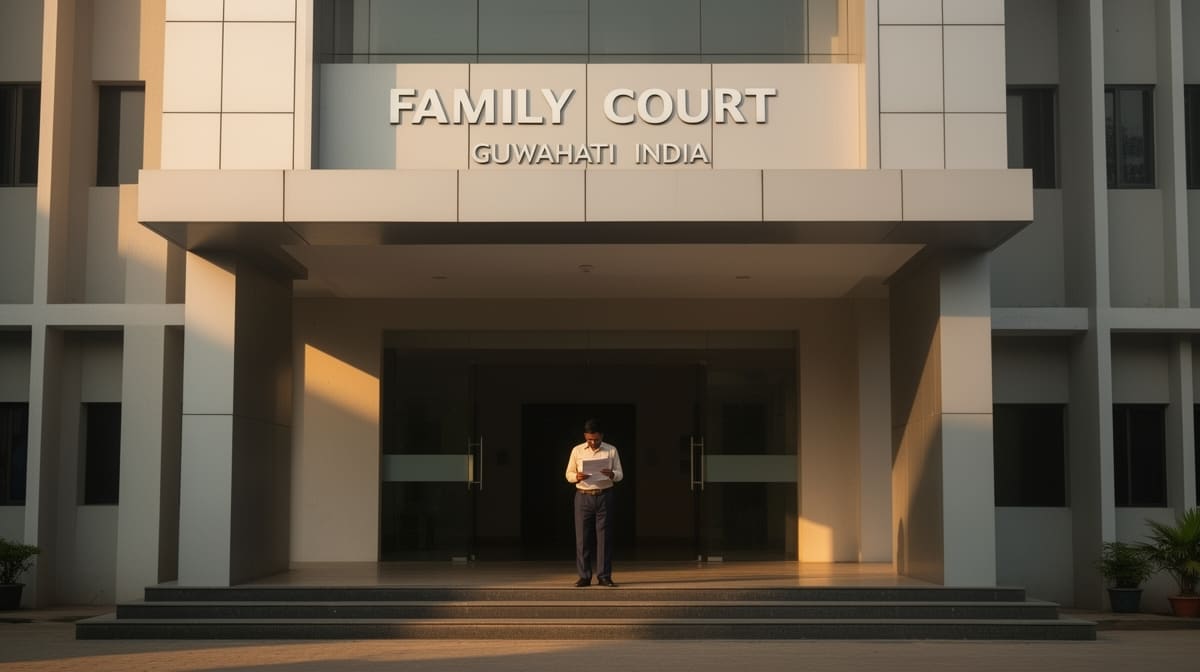
Section 7, Family Courts Act, 1984 | Civil Courts Barred from Deciding Matrimonial Status Declarations Where Family Court Has Jurisdiction : Gauhati HC
Case Law Analysis
|Gauhati High Court

Section 7, Family Courts Act, 1984 | Civil Courts Barred from Deciding Matrimonial Status Declarations Where Family Court Has Jurisdiction : Gauhati HC

The Gauhati High Court has ruled that any suit seeking a declaration of marital status-such as validity of marriage or spousal rights-must be filed exclusively before a Family Court under Section 7 of the Family Courts Act. Civil courts lack jurisdiction even if the facts are undisputed, reinforcing the Act’s intent to centralize all matrimonial disputes in specialized forums and prevent forum shopping.