Topic

execution proceedings

Execution proceedings in Indian law refer to the legal process of enforcing a court decree or arbitral award to recover money or property, governed by the Code of Civil Procedure and the Arbitration and Conciliation Act.

69 articlesLatest 3 weeks ago
Execution Court Cannot Fix Personal Liability on Govt Officers for Arbitral Award | Sec 36 Arbitration Act r/w Order XXI CPC : Chhattisgarh HC
Case Law Analysis
|Chhattisgarh High Court

Execution Court Cannot Fix Personal Liability on Govt Officers for Arbitral Award | Sec 36 Arbitration Act r/w Order XXI CPC : Chhattisgarh HC

The Chhattisgarh HC held that an executing court cannot direct government officers to personally appear or file affidavits for payment of an arbitral award, as such orders exceed jurisdiction under Section 36 of the Arbitration Act read with Order XXI CPC. The ruling shields public officials from personal liability in award execution and limits court overreach.

Lump-Sum Maintenance Discharge Clause | Family Settlement Terms Supersede Income-Linked Obligations : SC
Case Law Analysis
|Supreme Court of India

Lump-Sum Maintenance Discharge Clause | Family Settlement Terms Supersede Income-Linked Obligations : SC

Supreme Court rules that a lump-sum payment under a family settlement (Clause 10) extinguishes interim income-linked maintenance (Clause 9), affirming concurrent findings of the Family Court and High Court. The ruling clarifies the hierarchy of settlement terms over prior maintenance obligations, impacting parties bound by mutual consent decrees.

Section 125 CrPC | Recovery of Maintenance Arrears Limited to 12 Months Prior to Execution Application : Allahabad HC
Case Law Analysis
|Allahabad High Court

Section 125 CrPC | Recovery of Maintenance Arrears Limited to 12 Months Prior to Execution Application : Allahabad HC

The Allahabad High Court has ruled that execution applications for maintenance arrears under Section 125 CrPC cannot claim amounts accrued more than 12 months before the filing date, invalidating recovery warrants for longer periods. This clarifies a critical procedural limit for maintenance recipients and prevents indefinite accumulation of arrears, ensuring timely enforcement and protecting payers from stale claims.

Order XXI Rule 58 CPC | Affidavit in Restoration Petition Suffices for Delay Condonation Without Separate Section 5 Limitation Act Application : Andhra Pradesh HC
Case Law Analysis
|Andhra Pradesh High Court

Order XXI Rule 58 CPC | Affidavit in Restoration Petition Suffices for Delay Condonation Without Separate Section 5 Limitation Act Application : Andhra Pradesh HC

The Andhra Pradesh High Court held that a separate application under Section 5 of the Limitation Act is unnecessary if the affidavit filed with a restoration petition adequately explains the delay. This ruling prioritizes substantive justice over procedural technicalities, impacting execution proceedings under Order XXI Rule 58 CPC.

Order 21 Rule 54 CPC | 18-Year Delay in Seeking Attachment Bars Decree Holder's Relief : Karnataka HC
Case Law Analysis
|Karnataka High Court

Order 21 Rule 54 CPC | 18-Year Delay in Seeking Attachment Bars Decree Holder's Relief : Karnataka HC

The Karnataka High Court ruled that an 18-year delay in seeking attachment of property under Order 21 Rule 54 CPC disentitles the decree holder to relief, particularly when the judgment debtor's properties were transferred out of their name. The ruling underscores the decree holder's duty to act promptly in execution proceedings to avoid forfeiture of claims.

CPC Order XXI Rule 41(3) | Settlement Does Not Vacate Civil Detention But Justifies Remission in Interest of Justice : Bombay HC
Case Law Analysis
|Bombay High Court

CPC Order XXI Rule 41(3) | Settlement Does Not Vacate Civil Detention But Justifies Remission in Interest of Justice : Bombay HC

The Bombay High Court held that even when parties settle a civil execution dispute, prior civil detention under CPC Order XXI Rule 41(3) for disobedience of court orders is not automatically nullified. However, the court may remit the sentence in the interest of justice, affirming that judicial discipline and compliance remain paramount even after resolution. This clarifies the limits of settlement in execution proceedings and impacts judgment debtors facing detention.

Land Acquisition Act | Abuse of Process Bars Appeal After 9-Year Delay and Undisclosed Lok Adalat Settlement : Karnataka HC
Case Law Analysis
|Karnataka High Court

Land Acquisition Act | Abuse of Process Bars Appeal After 9-Year Delay and Undisclosed Lok Adalat Settlement : Karnataka HC

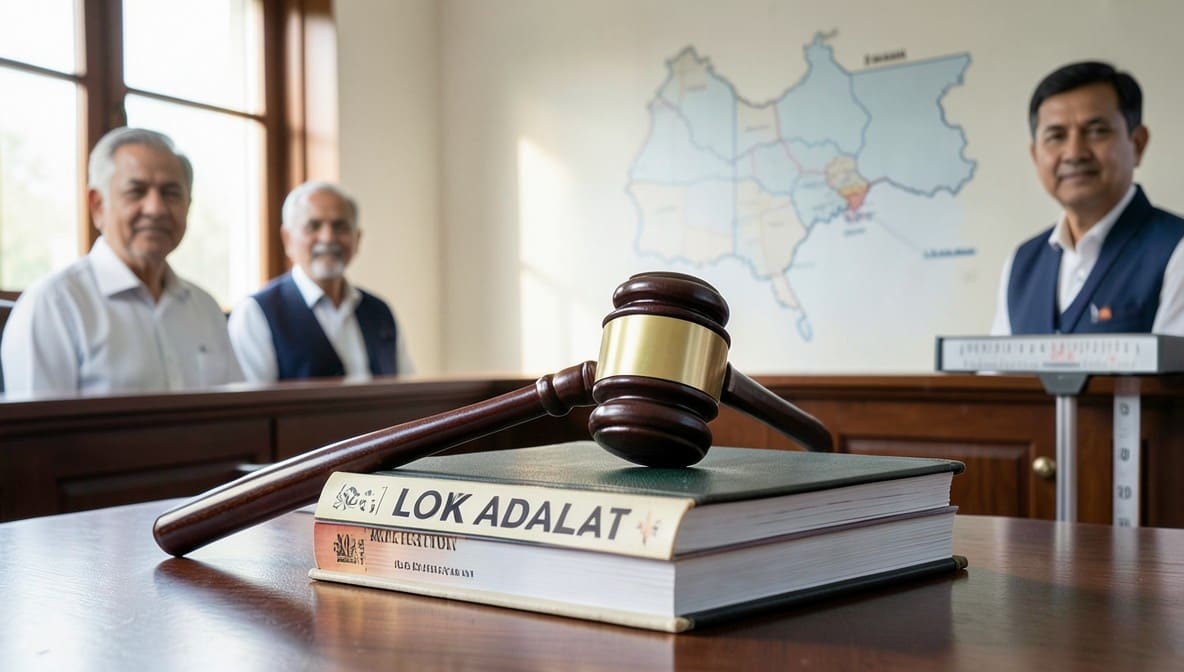
Karnataka High Court sets a precedent by dismissing a landowner's appeal under Section 54(2) of the Land Acquisition Act after he accepted compensation, delayed filing for nine years, and failed to disclose a prior Lok Adalat settlement. The ruling reinforces that courts will not entertain appeals constituting abuse of process, protecting finality in land acquisition disputes.