
Topic

CESTAT Appeals

3 articlesLatest July 2026
Rule 26 Central Excise Rules | Penalty Requires Corroborative Evidence & Specific Clause Invocation : CESTAT Ahmedabad
Case Law Analysis
|Custom, Excise & Service Tax Tribunal

Rule 26 Central Excise Rules | Penalty Requires Corroborative Evidence & Specific Clause Invocation : CESTAT Ahmedabad

CESTAT Ahmedabad sets aside penalties under Rule 26 of Central Excise Rules 2002, ruling that statements alone are insufficient for imposing penalties without corroborative evidence and explicit invocation of the penal clause. The decision underscores the need for strict adherence to procedural safeguards in excise penalty proceedings, impacting manufacturers and corporate officers facing similar allegations.

Central Excise Act Section 11A | Burden of Proof for Clandestine Removal Requires Tangible Evidence, Not Presumptions or Private Records: CESTAT Ahmedabad
Case Law Analysis
|Custom, Excise & Service Tax Tribunal

Central Excise Act Section 11A | Burden of Proof for Clandestine Removal Requires Tangible Evidence, Not Presumptions or Private Records: CESTAT Ahmedabad

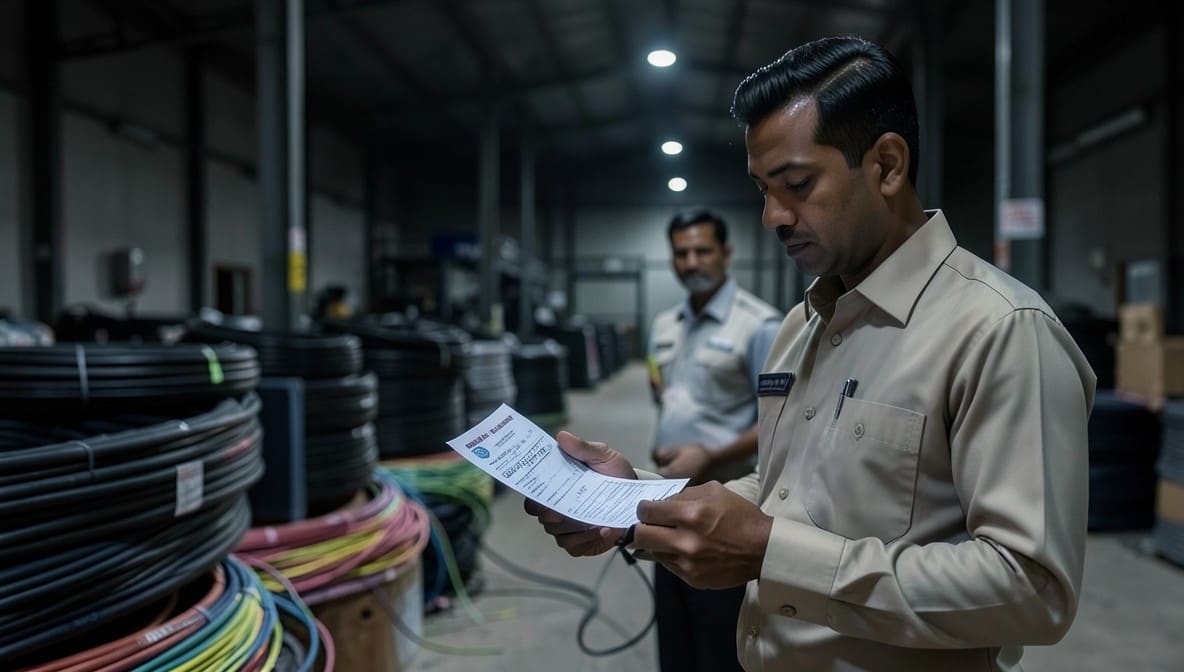
CESTAT Ahmedabad has ruled that revenue authorities cannot sustain excise duty demands based solely on handwritten notes or unverified challans. The burden lies squarely on the department to produce concrete, corroborated evidence of clandestine removal-rejecting speculative inferences from incomplete records. This sets a vital precedent for manufacturers facing arbitrary tax assessments under the Central Excise Act.

Section 3A Central Excise Act | Actual Production Records Prevail Over Delayed Statutory Documents: CESTAT Kolkata Quashes 18-Year-Old Demand
Case Law Analysis
|Custom, Excise & Service Tax Tribunal

Section 3A Central Excise Act | Actual Production Records Prevail Over Delayed Statutory Documents: CESTAT Kolkata Quashes 18-Year-Old Demand

CESTAT Kolkata ruled that when statutory documents are unavailable due to passage of time, actual production records submitted by the assessee hold legal precedence. The Tribunal set aside an excise duty demand of ₹73.1 lakh, reinforcing that tax authorities cannot rely on procedural lapses caused by delay to deny consequential relief to manufacturers.