
Topic

Bar Council of India

5 articlesLatest August 2026
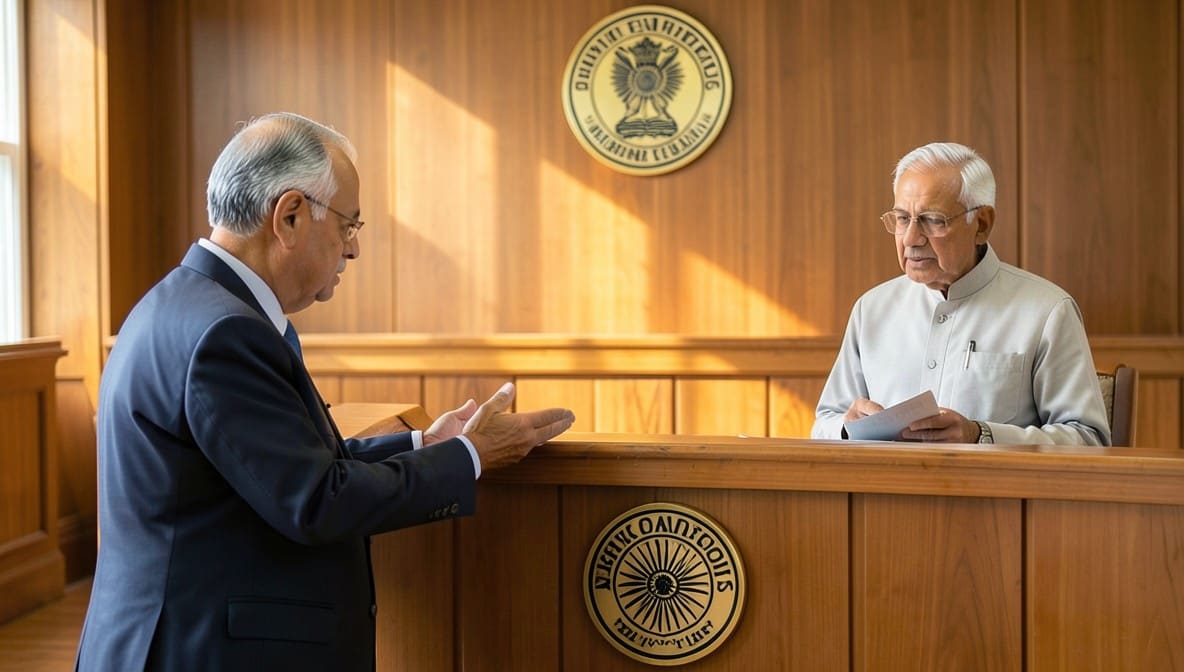
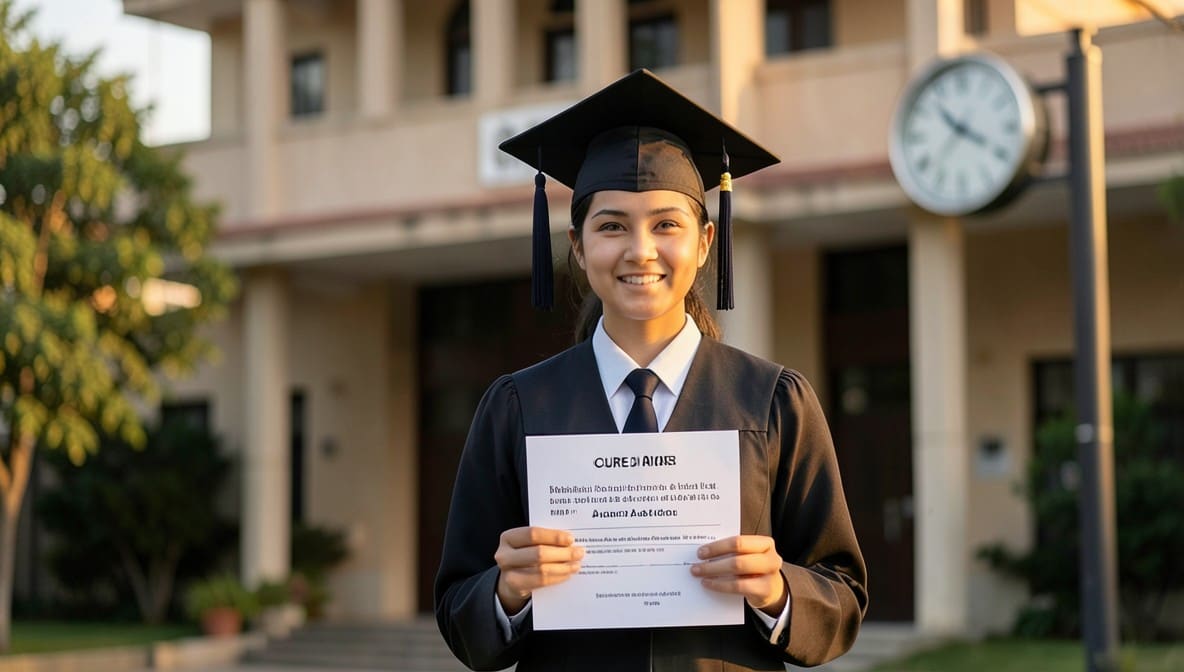
Foreign LL.B. Not a ‘First Degree’ for Three-Year LL.B. Admission | BCI Recognition Insufficient : Bombay HC
Case Law Analysis
|Bombay High Court

Foreign LL.B. Not a ‘First Degree’ for Three-Year LL.B. Admission | BCI Recognition Insufficient : Bombay HC

A foreign LL.B., even if recognised by the Bar Council of India, does not satisfy the ‘first degree’ requirement for entry into India’s three-year LL.B. programmes. The Bombay High Court upheld the university’s cancellation of the petitioner’s provisional admission on this basis. The decision narrows eligibility for overseas law graduates seeking domestic LL.B. enrollment.
Natural Justice in Regulatory Compliance | Late Fees Cannot Be Condition for Renewal of Law College Approval When Student Degrees Are at Stake : Allahabad HC
Case Law Analysis
|Allahabad High Court

Natural Justice in Regulatory Compliance | Late Fees Cannot Be Condition for Renewal of Law College Approval When Student Degrees Are at Stake : Allahabad HC

The Allahabad High Court has ruled that the Bar Council of India cannot withhold renewal of LL.B. course approvals merely because a college disputes late fees, mandating that mandatory fees be processed independently. This protects thousands of law students from academic disruption and affirms that regulatory bodies must separate procedural penalties from core educational rights under natural justice.

Rule 5(a) of Legal Education Rules, 2008 | Graduation Alone Sufficient for 3-Year LLB Admission: Andhra Pradesh HC
Case Law Analysis
|Andhra Pradesh High Court

Rule 5(a) of Legal Education Rules, 2008 | Graduation Alone Sufficient for 3-Year LLB Admission: Andhra Pradesh HC

The Andhra Pradesh High Court held that Rule 5(a) of the Rules of Legal Education, 2008 only requires a recognized graduation degree for 3-year LLB eligibility, rejecting the (10+2+3) pattern as a mandatory prerequisite. The ruling clarifies that arbitrary rejection of applications based on educational pattern violates the Rules, impacting law aspirants with non-traditional academic backgrounds.