The National Green Tribunal’s suo moto intervention in the aftermath of the Harda firecracker factory blast underscores the judiciary’s proactive role in enforcing environmental justice when state mechanisms fail. This order establishes critical procedural safeguards for victim compensation, moving beyond financial disbursement to require rigorous medical documentation of injury causation.
Background & Facts
The Dispute
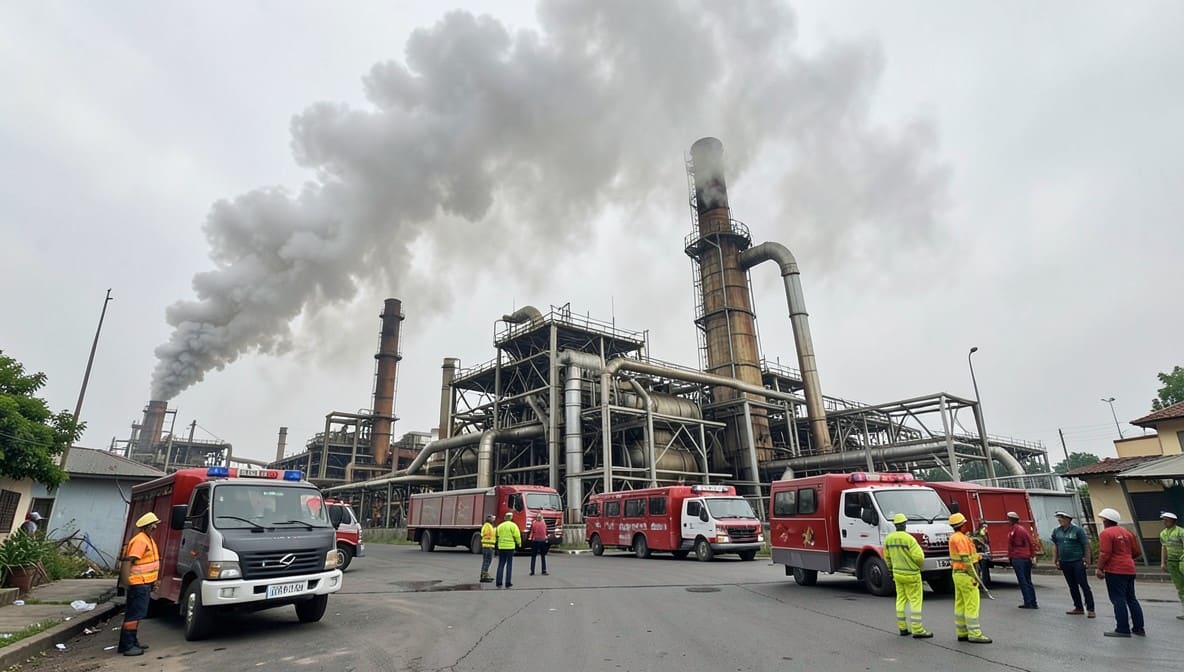
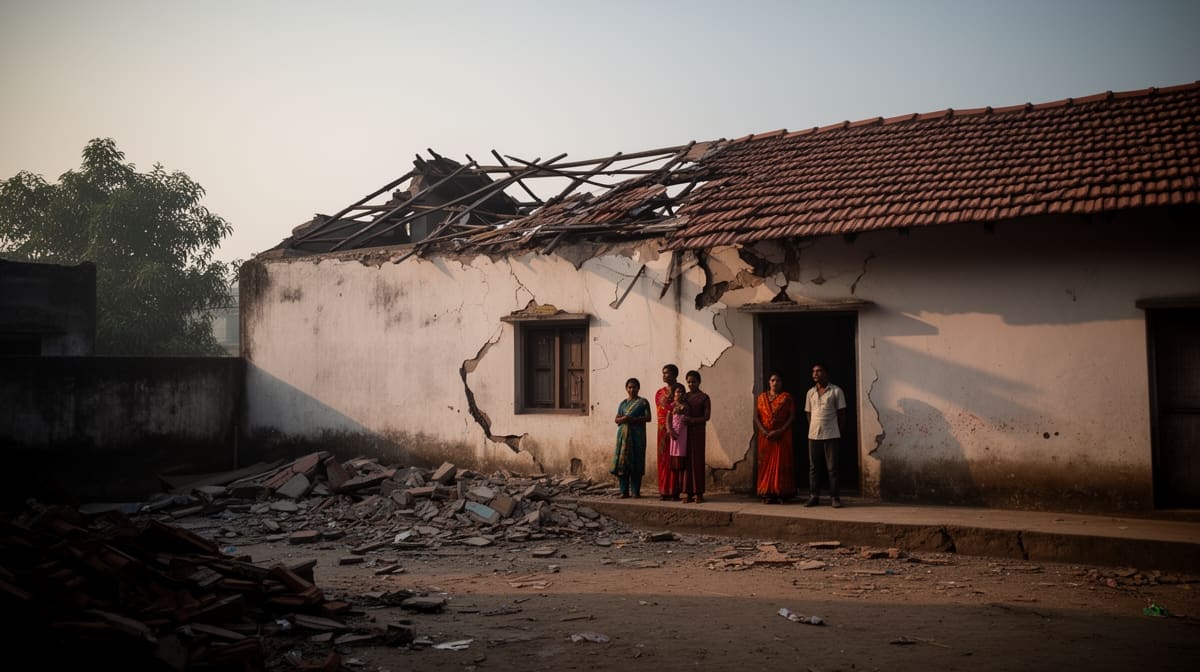
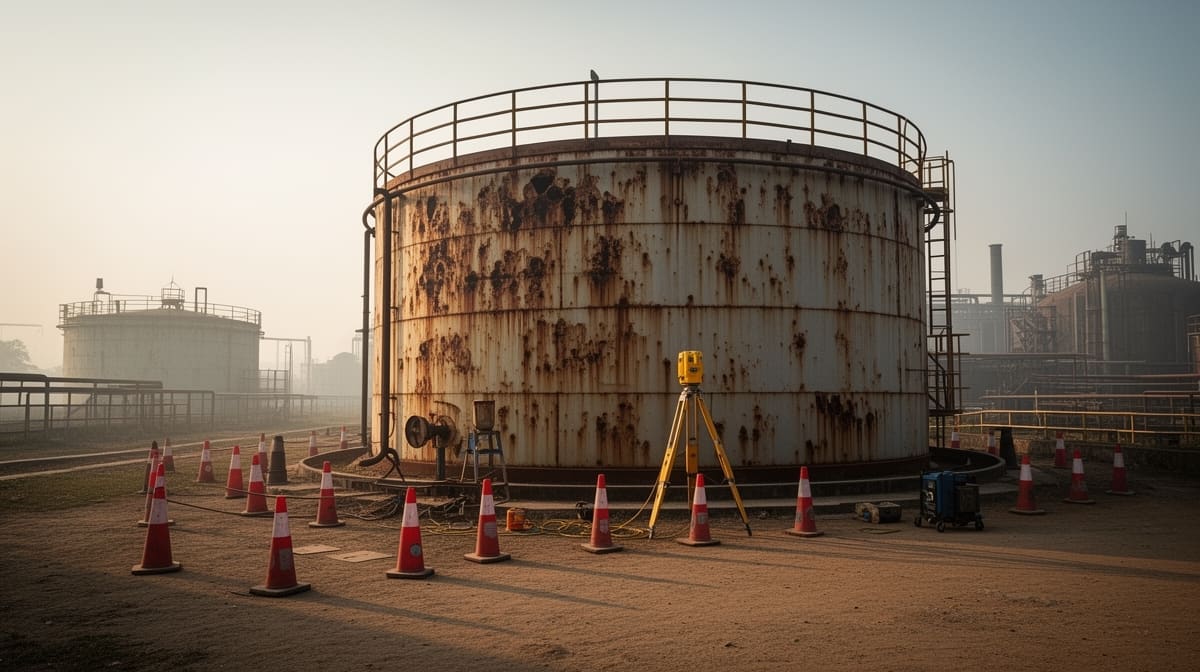
A catastrophic explosion at a firecracker manufacturing unit in Harda, Madhya Pradesh, on 6 February 2024 resulted in multiple fatalities and severe injuries, many involving permanent disabilities. The incident raised grave concerns over non-compliance with environmental and safety norms in hazardous industries, particularly in unregulated or informally operated units.
Procedural History
The National Green Tribunal initiated proceedings suo moto based on media reports of the disaster. No formal applicant was represented, but victims and intervenors appeared through counsel. The State of Madhya Pradesh and multiple regulatory bodies - including the Ministry of Environment, Forest and Climate Change, Madhya Pradesh Pollution Control Board, and Central Pollution Control Board - were impleaded as respondents.
Relief Sought
The victims’ representatives sought adequate compensation and a structured mechanism to verify the nature and extent of injuries sustained. They emphasized that mere monetary payments without medical substantiation risked undercompensation and misallocation, particularly for those with long-term disabilities.
Relief Sought
The petitioners sought a legally sound, medically verified compensation framework, including the constitution of a dedicated medical board to assess injury causation and severity, ensuring that compensation is tied to documented harm.
The Legal Issue
The central question was whether compensation for injuries arising from an environmental disaster can be validly disbursed without independent medical verification of the causal link between the incident and the claimed disabilities.
Arguments Presented
For the Respondent State
The State contended that substantial compensation had already been disbursed to victims and families, citing payment records. It argued that further procedural requirements would delay relief and that existing administrative mechanisms were sufficient.
For the Intervenors and Victims
The intervenors argued that compensation amounts were arbitrary and not calibrated to the severity of injuries. They highlighted cases of victims with permanent disabilities - such as limb loss or respiratory damage - whose conditions required long-term care, and stressed that without standardized medical evaluation, compensation would remain inequitable and unscientific.
The Court's Analysis
The Tribunal emphasized that environmental liability under the Polluter Pays Principle extends beyond immediate financial aid to include restorative justice grounded in evidence. It rejected the notion that compensation is complete upon disbursement, noting that unverified payments may perpetuate injustice, particularly for vulnerable populations lacking legal representation.
"The exercise may be done within three months. A report may be filed by the Collector after obtaining the report from the medical board constituted by the CMO before the next date of hearing."
The Court held that medical verification is not a procedural formality but a substantive requirement to ensure proportionality and fairness. It relied on the principle that environmental harm must be assessed through scientific and medical parameters, not administrative convenience. The Tribunal distinguished this from routine compensation schemes by noting the gravity of the incident and the presence of permanent disabilities, which demand a higher standard of proof.
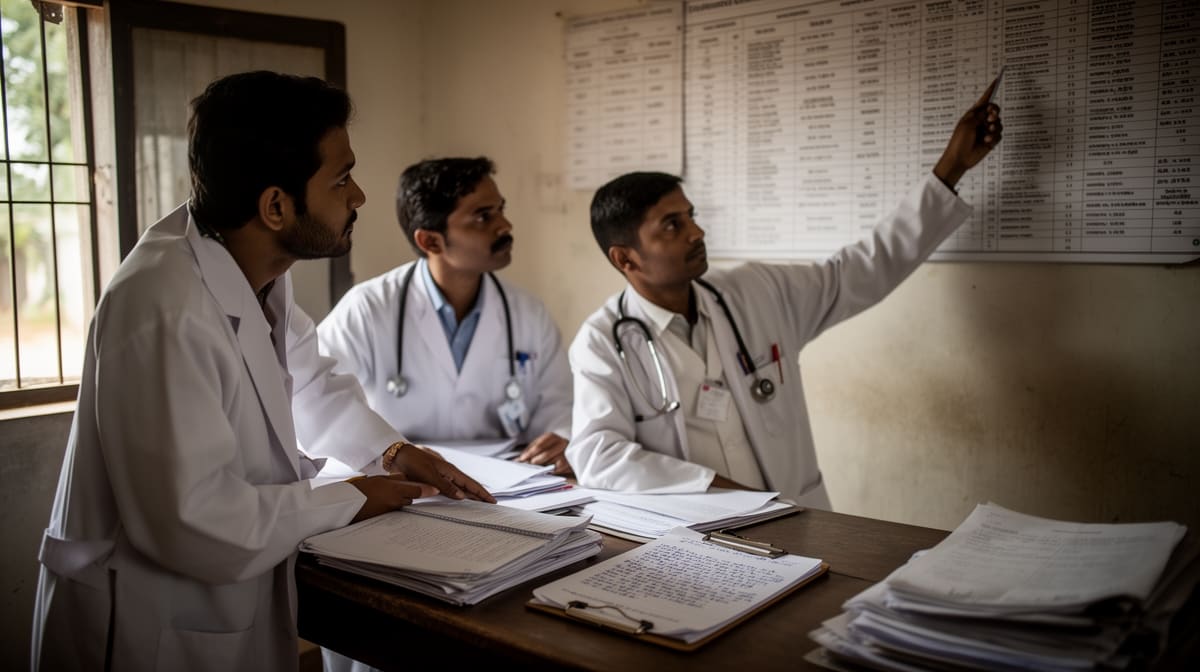
The direction to constitute a medical board under the Chief Medical Officer, with reporting to the Collector, reflects an institutionalization of evidence-based redressal. The Court implicitly recognized that the burden of establishing injury causation cannot rest solely on victims in disaster scenarios where documentation systems are absent or compromised.
The Verdict
The National Green Tribunal ruled in favor of the victims. It held that compensation for injuries from environmental disasters must be preceded by medically verified assessment and directed the Collector of Harda to constitute a medical board within three months to evaluate all grievously injured persons. A final report must be submitted before the next hearing on 13 May 2026.
What This Means For Similar Cases
Medical Verification Is Mandatory for Disability Claims
- Practitioners must now insist on medical board reports in all environmental disaster compensation cases involving permanent injury
- Administrative payment records alone are insufficient to discharge state liability under environmental law
- Victims’ counsel should file applications under Section 20 of the NGT Act seeking constitution of expert medical panels
Collector Becomes Key Implementing Authority
- The Collector’s role is elevated from administrative coordinator to judicial officer in environmental redressal
- All compensation disbursements must be linked to the medical board’s findings
- Failure to comply with the three-month timeline may attract contempt proceedings under the NGT Act
Suo Moto Powers Enable Proactive Environmental Justice
- The Tribunal’s suo moto action confirms that environmental tribunals may initiate proceedings without formal petitioners
- Media reports of industrial disasters now constitute sufficient grounds for judicial intervention
- This sets a precedent for future interventions in cases of unregulated hazardous industries