The Madras High Court has issued a significant directive preserving the status quo for property owners facing enforcement action over building violations, pending a final zoning decision by the state’s town planning authority. This order clarifies that administrative delays in re-zoning cannot justify punitive measures against compliant property owners awaiting procedural closure.
Background & Facts
The Dispute
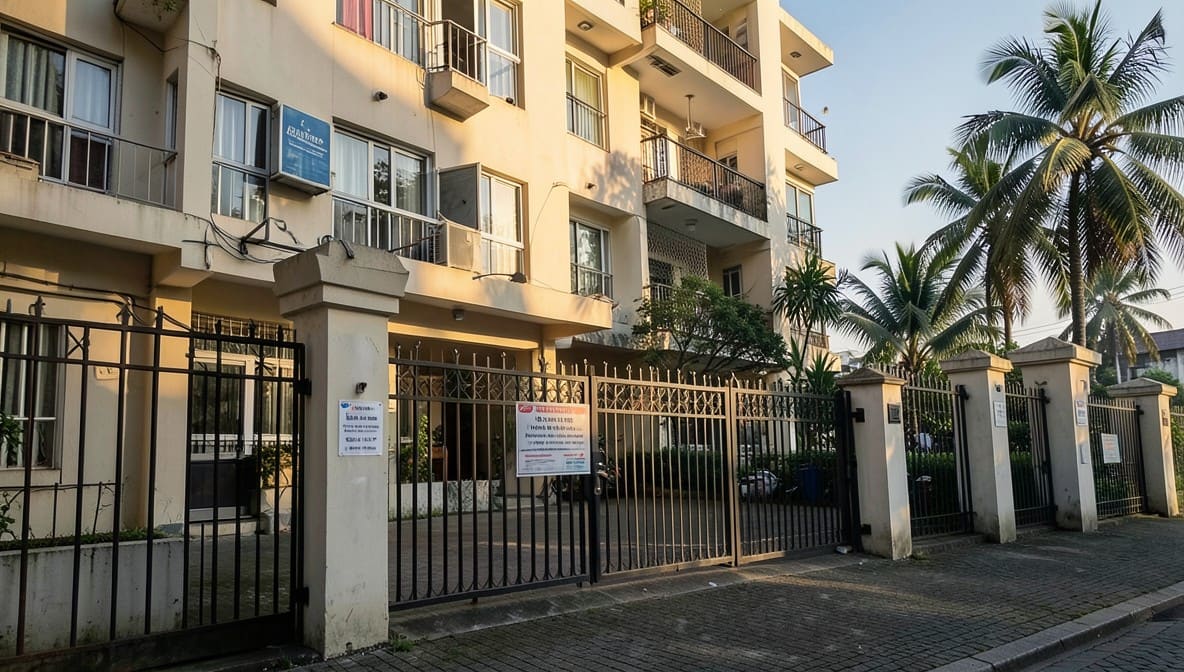
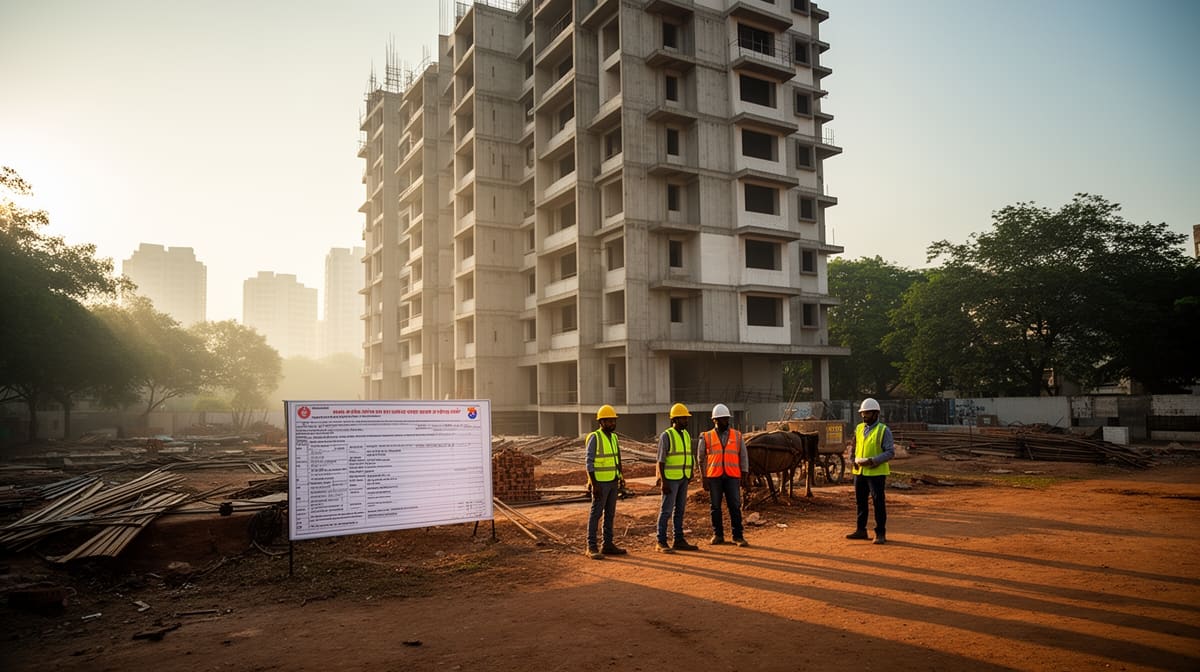
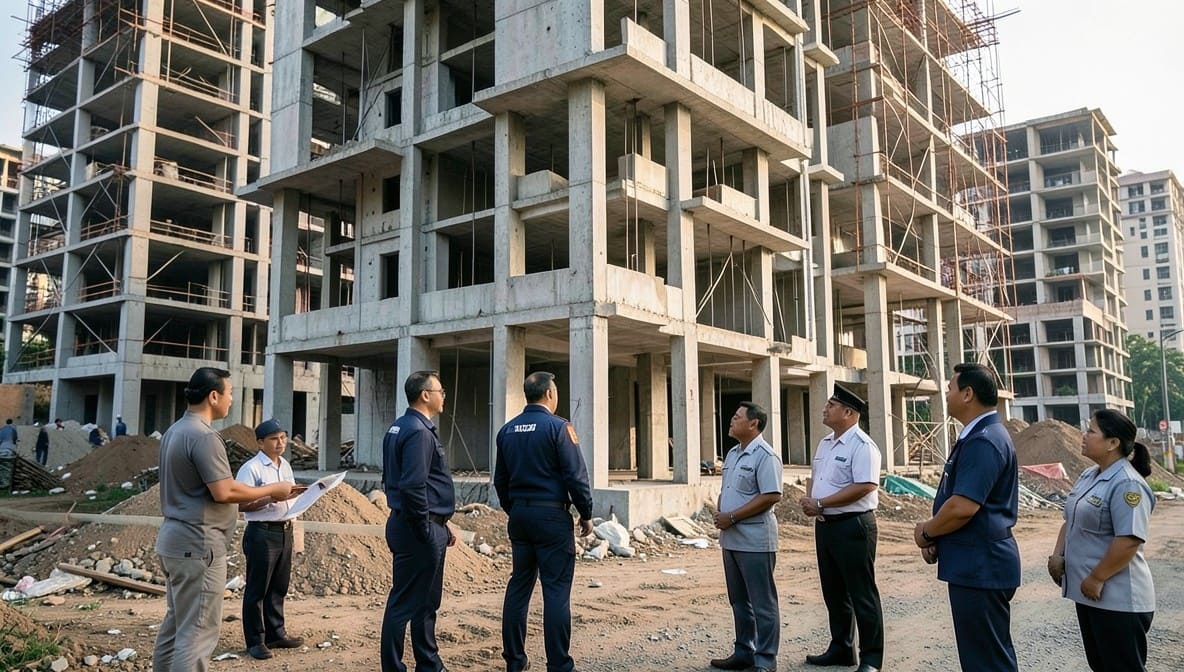
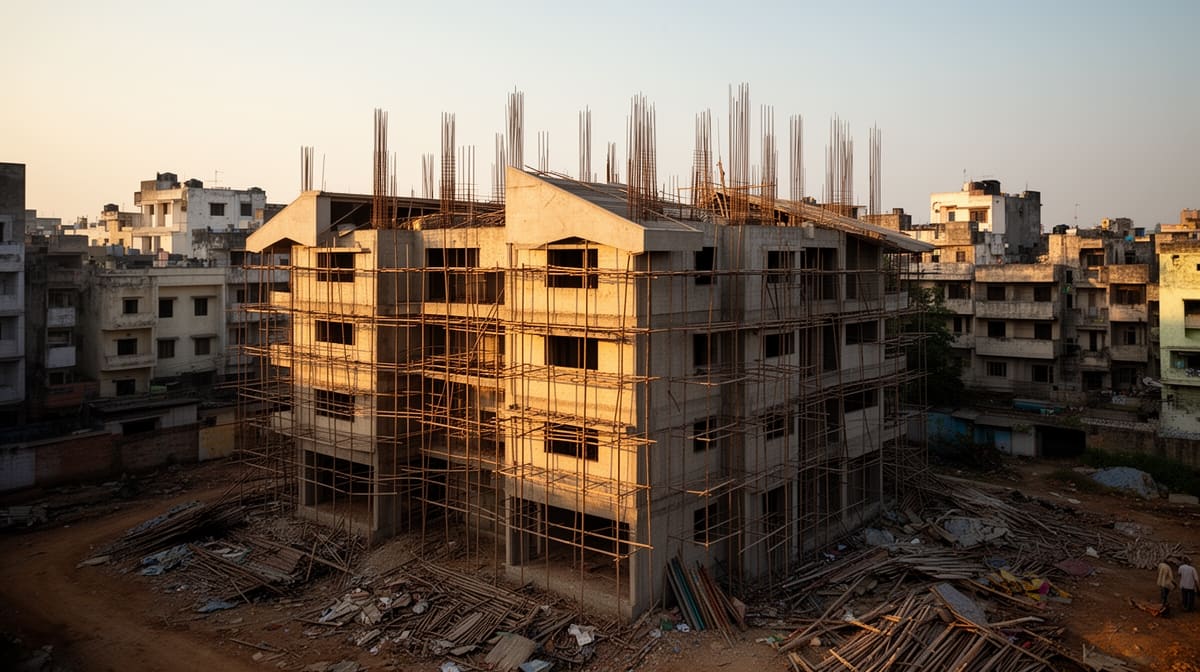
The petitioner, V.S. Trust, constructed buildings on its property in Chidambaram in compliance with the building permission granted at the time. However, subsequent enforcement actions by the Chidambaram Municipality and the State of Tamil Nadu alleged violations of mandatory setback requirements. The respondents relied on G.O.(3D) No. 12 dated 07.03.2022 to initiate proceedings against the petitioner for non-compliance with setback norms.
Procedural History
- 2022: G.O.(3D) No. 12 issued by the State Housing Department initiating enforcement action against the petitioner.
- 2024: Chidambaram Municipal Council passed Resolution No. 79 on 28.10.2024 proposing re-zoning of the area as a "Continuous Building Area" under Rule 30(1) of the Tamil Nadu Combined Development and Building Rules, 2019.
- 09.11.2024: The Municipal Council forwarded the resolution and supporting records to the Directorate of Town and Country Planning for final approval.
- 2026: Writ petition filed under Article 226 seeking quashing of G.O.(3D) No. 12, arguing that the proposed re-zoning would render the alleged violations obsolete.
Relief Sought
The petitioner sought quashing of the enforcement order and a declaration that no action could be taken against its construction once the area is notified as a Continuous Building Area, where setback norms do not apply.
The Legal Issue
The central question was whether enforcement proceedings for building violations can proceed against a property owner when a formal proposal to re-zone the area as a Continuous Building Area - under which setback requirements are waived - is pending approval by the competent authority.
Arguments Presented
For the Petitioner
The petitioner, represented by Senior Counsel Mr. R. Srinivas, argued that the Municipal Council’s resolution to re-zone the area as a Continuous Building Area under Rule 30(1) of the Tamil Nadu Combined Development and Building Rules, 2019 would eliminate the legal basis for the alleged violations. The petitioner relied on the principle of proportionality and legitimate expectation, contending that punitive action during an ongoing administrative process that would render the violation moot violates natural justice.
For the Respondent
The State, through Special Government Pleader Mr. V. Ravi, maintained that the G.O.(3D) No. 12 was a valid exercise of statutory power and that the pending municipal resolution did not legally extinguish the violation. The respondents argued that until formal gazette notification is issued, the existing building rules remain enforceable, and the petitioner’s construction remained non-compliant.
The Court's Analysis
The Court examined the procedural posture and the statutory framework under Rule 30(1), which vests the power to notify a Continuous Building Area solely in the Directorate of Town and Country Planning. The Court noted that the Municipal Council had completed its role by passing Resolution No. 79 and forwarding the proposal. The delay in decision-making by the Directorate, while not attributable to the petitioner, created a situation where enforcement action would be premature and potentially unjust.
"The petitioner has acted in good faith, having obtained prior building permission and now awaits a decision that may entirely negate the basis of the alleged violation. To proceed with enforcement now would be to punish a party for a condition that may soon be legally rectified by administrative action."
The Court emphasized that administrative inaction by the State cannot be used to justify punitive measures against citizens. It held that maintaining the status quo until the Directorate acts is not only equitable but also consistent with the doctrine of reasonable administrative delay under Article 14 of the Constitution.
The Verdict
The petitioner prevailed. The Court held that enforcement proceedings must be stayed pending the Directorate’s decision on the re-zoning proposal. The Court directed the Directorate to decide within four months and, if approved, issue a gazette notification within two additional months. The petitioner’s construction shall remain untouched for six months or until the Directorate’s decision, whichever is earlier.
What This Means For Similar Cases
Status Quo Is a Legal Remedy, Not a Concession
- Practitioners must now argue that pending zoning reclassification constitutes a valid ground for interim protection against enforcement actions.
- Courts may grant status quo orders even without a formal stay application if the administrative process is demonstrably underway and the violation would be rendered moot.
- The burden shifts to the State to justify why enforcement should proceed when a legally recognized pathway to compliance exists.
Municipal Resolutions Are Not Merely Advisory
- Municipal Council resolutions under Rule 30(1) are binding procedural steps in the zoning notification chain.
- Delays by higher authorities (e.g., Directorate) cannot be used to validate enforcement actions against property owners who have complied with municipal processes.
- Legal notices issued by municipalities must now account for pending re-zoning proposals before initiating penalties.
Procedural Fairness Trumps Technical Non-Compliance
- The judgment reinforces that technical violations must be evaluated in light of subsequent administrative developments.
- Property owners who acted in good faith and followed municipal procedures are entitled to protection against retroactive enforcement.
- This creates a new benchmark for bail and stay applications in urban development disputes: if compliance is imminent via administrative process, punitive action is disproportionate.