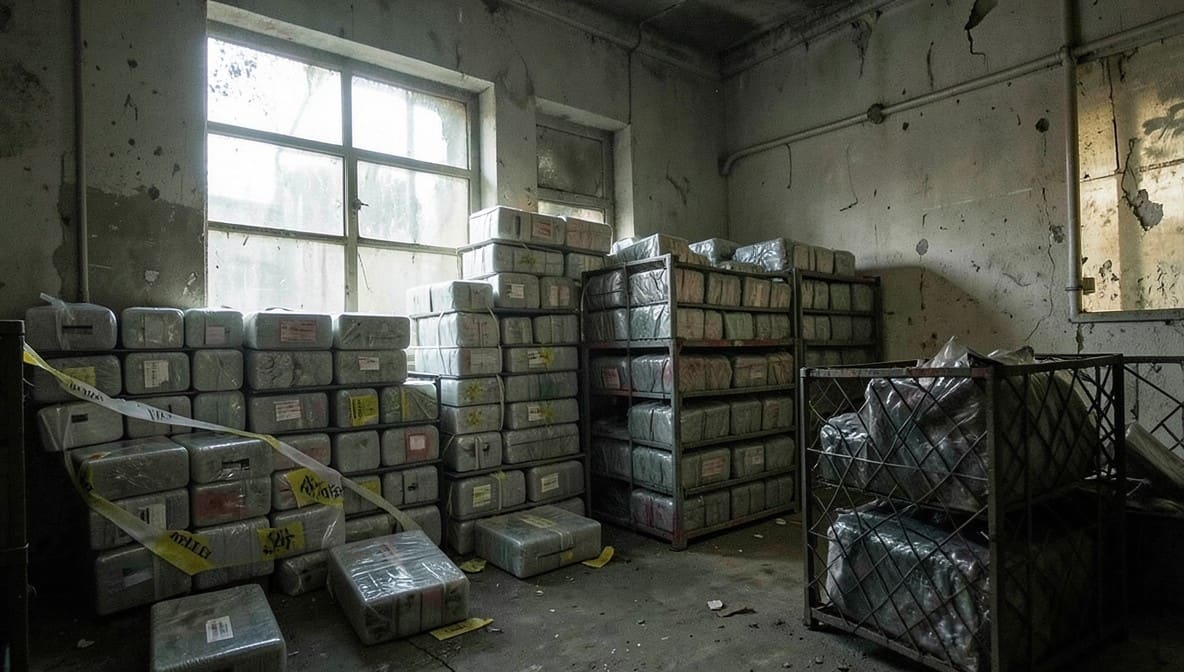
The High Court set aside a preventive detention order issued under the PITNDPS Act, holding that an unexplained three-year delay and the use of detention to circumvent a Supreme Court bail order violated constitutional safeguards.
Background & Facts
The Dispute
The petitioner, Sandeep Singh @ Chatha, challenged a preventive detention order passed under the Prevention of Illicit Traffic in Narcotic Drugs and Psychotropic Substances Act, 1988 (PITNDPS Act). The order, dated 27 November 2025, sought to detain him for one year on the ground of preventing future narcotics trafficking.
Key Facts
- 15 November 2022: NCB Crime No.79/2022 registered, alleging trafficking of 20.326 kg heroin and other narcotics.
- 9 December 2022: Petitioner arrested at Mohali; heroin recovered from his possession.
- 12 May 2023: Charge-sheet filed before the Special Court, Ludhiana.
- 11 July 2023: Petitioner's retraction application disposed.
- 24 November 2025: Supreme Court granted regular bail in the criminal case.
- 30 April 2024: First proposal for preventive detention submitted by NCB.
- 5 November 2024: Second report submitted by NCB.
- 2 September 2025: NCB forwarded its proposal for preventive detention.
- 29 October 2025: Screening Committee considered the proposal and found it fit.
- 21 November 2025: Classified intelligence report indicated continued supervisory role by petitioner while in custody.
- 27 November 2025: Detention order passed.
- 7 January 2026: Detention executed (41-day gap from order).
- 24 March 2026: Central Advisory Board confirmed the detention for one year.
- 20 August 2026: Judgment delivered, quashing the detention.
Procedural History
- Petition filed under Article 226 of the Constitution seeking a writ of habeas corpus and interim release (exact filing date not specified).
- High Court reserved judgment on 7 August 2026 and pronounced on 20 August 2026.
Parties' Positions
- Petitioner argued that the detention order relied on stale material from 2022, that there was no fresh prejudicial activity, and that the order was used to defeat the Supreme Court bail.
- Respondents (Union of India, another, and NCB) contended that the petitioner remained a key figure in a narcotics syndicate, that intelligence after bail showed ongoing involvement, and that preventive detention is permissible despite bail.
Relief Sought
The petitioner sought quashment of the detention order dated 27 November 2025 and the confirmation order dated 24 March 2026, and his immediate release.
Case Details
SANDEEP SINGH ALIAS CHATHA vs UNION OF INDIA AND ANOTHER
2026:PHHC:114535
Court
Punjab and Haryana High Court
Date
2026-08-20
Case Number
CRWP/1237/2026
Bench
MANISHA BATRA
Counsel
Pet: Sandeep Wadhawan
Res: Rajiv Sharma, Vinayak Attri, Indu Bala Sharma, Sourabh Goel, Deify Jindal, Anju Bansal
Frequently Asked Questions
Section 3(1) empowers the Central Government to detain a person to prevent illicit trafficking, but the order must be based on material showing a live and proximate link to future prejudice and must be executed without undue delay, as clarified by the High Court.
No. The Court held that preventive detention cannot be employed to defeat an existing bail order; the State must first seek cancellation of bail under ordinary criminal procedure.
The test requires that the alleged past conduct be sufficiently recent and directly connected to a likelihood of future illegal activity; a long, unexplained delay severs this link and invalidates the detention.