In a significant ruling, the Bombay High Court quashed an eviction order passed under the Maintenance and Welfare of Parents and Senior Citizens Act, 2007, where the petitioner was protected from eviction under parallel proceedings under the Protection of Women from Domestic Violence Act, 2005. The Court held that senior citizens cannot use the Act as a counterblast to ongoing domestic violence proceedings, especially when the petitioner has been granted protection from eviction by a competent court.
Background & Facts
The Dispute
The petitioner, Farjana Asfaq Shaikh, is married to respondent No. 3, Asfaq Liyakat Shaikh, since 22nd April 2006. They have a minor daughter from the wedlock. The petitioner alleged that respondent No. 3 contracted a second marriage with one Samina Pathan during the subsistence of the first marriage, leading to neglect and harassment by respondents No. 1 to 3 (the husband and his parents).
Key Facts
- The petitioner filed Miscellaneous Application No. 1157 of 2017 under the Protection of Women from Domestic Violence Act, 2005 before the Judicial Magistrate First Class (JMFC), Pimpri, seeking protection and maintenance.
- Respondent No. 2 filed a civil suit for recovery of possession of the premises occupied by the petitioner and her daughter.
- Respondents No. 1 to 3 filed an application under the Senior Citizens Act before the Sub-Divisional Officer (SDO), Pune, seeking eviction of the petitioner from the suit premises.
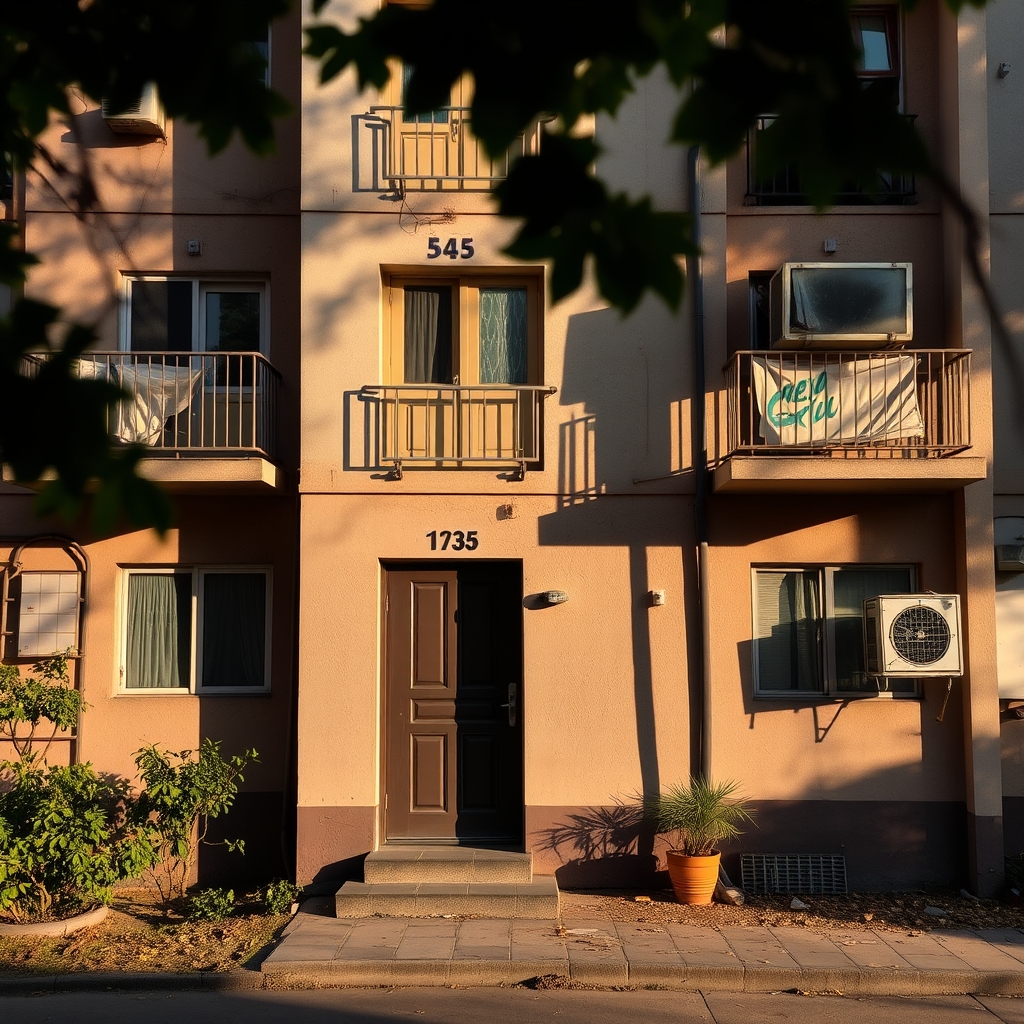
- The suit premises is a three-storied building with 19 rooms, purchased allegedly from the dowry amount given by the petitioner's father. The petitioner resides on the third floor with her minor daughter.
- The JMFC passed an order on 11th September 2019, granting maintenance and protecting the petitioner from eviction from the suit premises.
Procedural History
- 25th November 2018: SDO, Pune, allowed the application under the Senior Citizens Act and directed the petitioner to vacate the premises.
- 25th February 2019: Additional Collector, Pune, confirmed the SDO's order in Appeal No. 6 of 2018.
- 2019: Petitioner filed Writ Petition No. 1335 of 2019 before the Bombay High Court challenging the eviction order.
- 6th May 2026: Judgment reserved.
- 10th June 2026: Judgment pronounced.
Relief Sought
The petitioner sought quashing of the eviction order dated 25th February 2019 passed by the Additional Collector, Pune, and restoration of her right to reside in the suit premises under the protection granted by the JMFC.
The Legal Issue
The central question was whether an eviction order under the Senior Citizens Act can be sustained when the petitioner is protected from eviction under parallel proceedings under the Domestic Violence Act, and whether the Senior Citizens Act can be used as a counterblast to ongoing domestic violence litigation.
Arguments Presented
For the Petitioner
- The petitioner contended that the Senior Citizens Act was misused by respondents No. 1 to 3 to counterblast the Domestic Violence Act proceedings initiated by her.
- The JMFC had already granted protection to the petitioner from eviction, which was binding on the respondents.
- The suit premises was purchased from the dowry amount given by the petitioner's father, and she had a legitimate right to reside there.
- The respondents had alternate accommodation available in the same premises, and their eviction plea was mala fide.
For the Respondents
- Respondents No. 1 and 2, being senior citizens, required the premises for their accommodation.
- The Senior Citizens Act was enacted for the benefit of senior citizens, and the SDO and Additional Collector had rightly passed the eviction order.
- The petitioner had no independent right over the suit premises, which was purchased by respondent No. 2 from his own income.
- The Domestic Violence Act proceedings were separate and did not preclude the operation of the Senior Citizens Act.
The Court's Analysis
The Court examined the interplay between the Senior Citizens Act and the Domestic Violence Act, emphasizing that the former cannot be used as a tool to circumvent the latter. The Court relied on the precedent set in S. Vanitha v. Deputy Commissioner, Bengaluru Urban District and Ors. (2021) 15 SCC 730, where the Supreme Court held that parallel proceedings under different statutes must be harmonized to avoid conflicting orders.
The Court observed:
"It is significant to note that in the DV application, the learned JMFC has protected the petitioner from eviction from the suit premises. Moreover, the suit premises is a three-storied building. The petitioner stays with her daughter on the third floor. The respondents have separate rooms to stay. Hence, it cannot be said that inconvenience is being caused to the respondents."
The Court further noted that the Senior Citizens Act was filed after the petitioner had initiated proceedings under the Domestic Violence Act, indicating a mala fide intent to counterblast the petitioner's legitimate claims. The Court held that the eviction order was unsustainable in light of the JMFC's protection order, which had already addressed the petitioner's right to reside in the premises.
The Verdict
The Bombay High Court allowed the writ petition and set aside the impugned order dated 25th February 2019 passed by the Additional Collector, Pune. The Court quashed the eviction order, thereby restoring the petitioner's right to reside in the suit premises under the protection granted by the JMFC.
What This Means For Similar Cases
Senior Citizens Act Cannot Override Pending DV Proceedings
- Practitioners must note that eviction orders under the Senior Citizens Act cannot be sustained if the petitioner is protected from eviction under parallel Domestic Violence Act proceedings.
- Courts will scrutinize the timing and intent behind filing applications under the Senior Citizens Act, especially if they appear to be a counterblast to ongoing litigation.
Harmonization of Parallel Proceedings
- Where multiple statutes are invoked (e.g., Senior Citizens Act and Domestic Violence Act), courts will harmonize the proceedings to avoid conflicting orders.
- The protection orders granted under the Domestic Violence Act will take precedence over eviction orders under the Senior Citizens Act if the former addresses the petitioner's right to residence.
Mala Fide Intent Will Vitiate Eviction Orders
- Eviction orders passed with mala fide intent, such as to harass or counterblast the petitioner, will be set aside by higher courts.
- Senior citizens cannot misuse the Senior Citizens Act to evict family members if alternate accommodation is available within the same premises.