The Karnataka High Court has dismissed a writ petition filed by 38 members of a co-operative society, challenging their exclusion from the voters' list for an upcoming election. The Court held that disputed questions of fact regarding voter eligibility cannot be adjudicated under Article 226 of the Constitution, and directed the petitioners to avail the statutory remedy under Section 70 of the Karnataka Co-operative Societies Act, 1959, with an assurance of timely adjudication under Section 71(5) of the Act.
Background & Facts
The Dispute
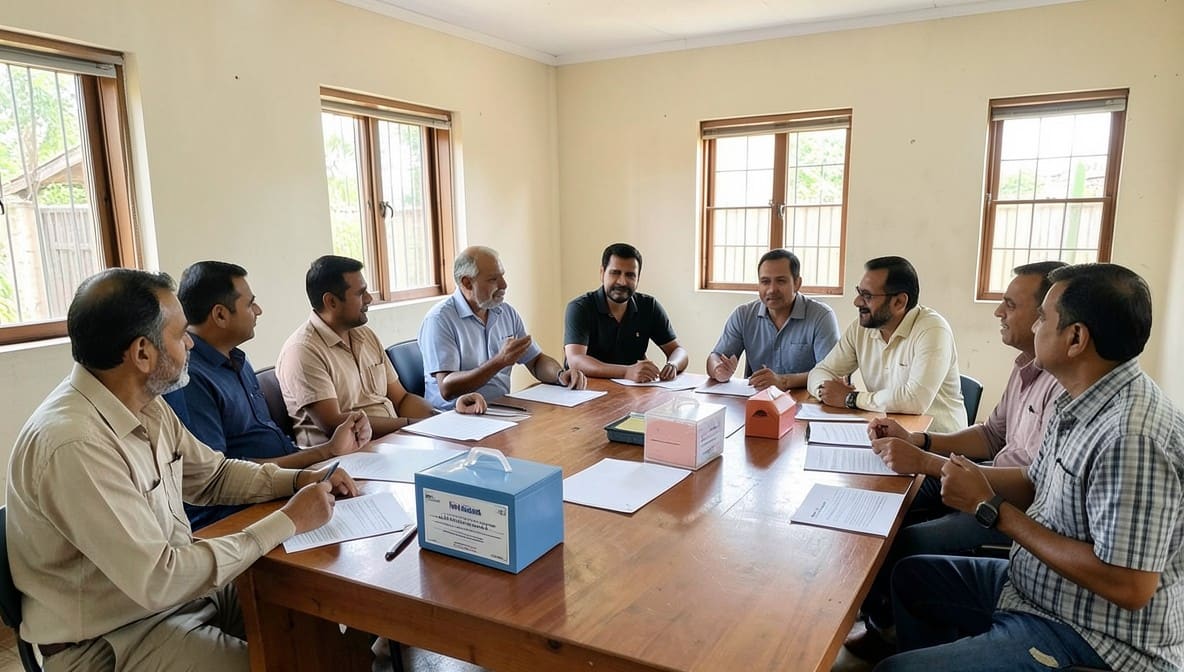
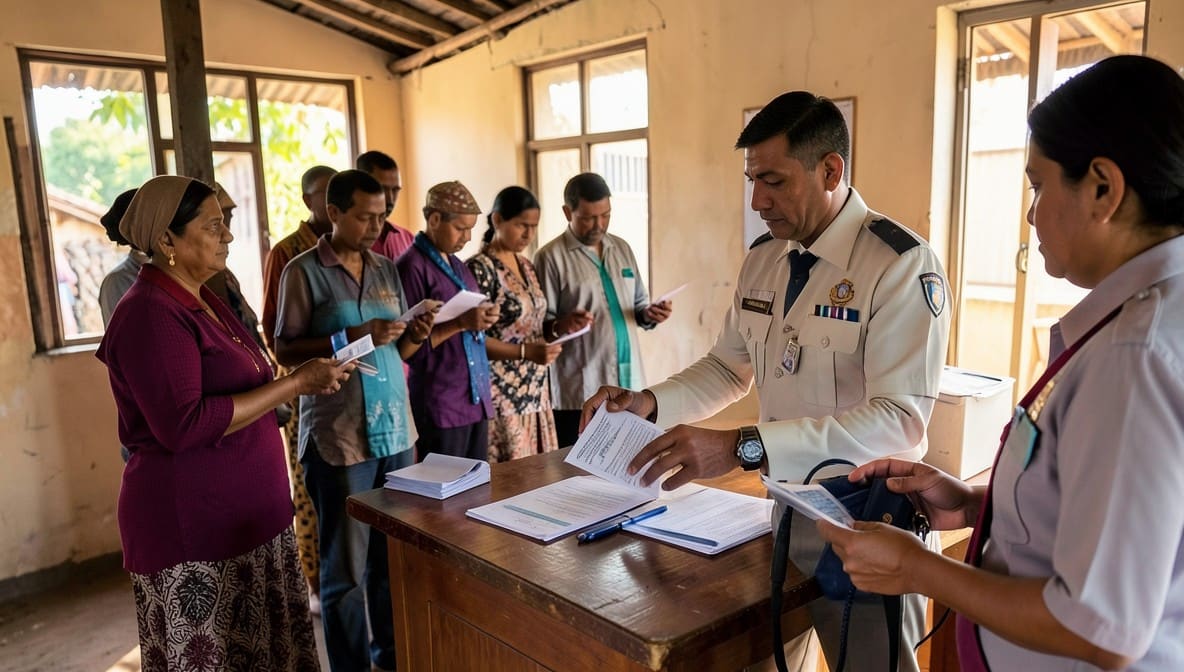
The petitioners are members of Ajjavara Haalu Utpadakara Sahakari Sangha Niyamita, a co-operative society registered under the Karnataka Co-operative Societies Act, 1959 (hereinafter "the Act"). The society, comprising 121 members, scheduled elections for its managing committee on 21.06.2026. However, the society declared 79 members, including the 38 petitioners, ineligible to vote, prompting the present writ petition.
Key Facts
- The society consists of 121 members, of which 79 were declared ineligible to vote for the upcoming elections.
- The petitioners contend that the voters' list was prepared in contravention of Rule 13D of the Karnataka Co-operative Societies Rules, 1960 ("the Rules").
- The petitioners allege ulterior motives behind their exclusion, claiming they are eligible voters but were erroneously marked ineligible.
- The elections were scheduled for 21.06.2026, as per the calendar of events dated 02.06.2026 (Annexure-D).
- The petitioners sought inclusion in the eligible voters' list and permission to cast their votes.
Procedural History
- 02.06.2026: Society issued calendar of events for elections (Annexure-D).
- 18.06.2026: Petitioners filed Writ Petition No. 18155 of 2026 under Articles 226 and 227 of the Constitution before the Karnataka High Court.
- The petitioners prayed for a writ of mandamus directing the respondents to include their names in the eligible voters' list and permit them to vote.
The Parties' Positions
For the Petitioners
- Argued that the voters' list was prepared in violation of Rule 13D of the Rules.
- Contended that their exclusion was erroneous and motivated by ulterior considerations.
- Submitted that only 42 out of 121 members were declared eligible, which they claimed was unjust and arbitrary.
- Sought immediate relief due to the impending elections on 21.06.2026.
For the Respondents
- Justified the preparation of the voters' list, stating it was done strictly in compliance with the Act and Rules.
- Relied on Annexure-G, which listed eligible and ineligible voters, to argue that the petitioners were rightfully excluded.
- Contended that the dispute involved adjudication of factual questions, which cannot be resolved under Article 226.
- Cited W.P. No. 29014/2023 and W.A. No. 100619/2024, where the Court held that such disputes must be resolved under Section 70 of the Act.
- Assured that if the petitioners raised a dispute before the Assistant Registrar of Co-operative Societies, it would be adjudicated within the time frame prescribed under Section 71(5) of the Act.
Relief Sought
The petitioners sought:
- A writ of mandamus directing the respondents to include their names in the eligible voters' list.
- Permission to cast their votes in the elections scheduled for 21.06.2026.
- Any other relief deemed fit by the Court.
The Legal Issue
The central question was whether the High Court could adjudicate a dispute involving disputed questions of fact regarding voter eligibility under Article 226, or whether the petitioners must avail the statutory remedy under Section 70 of the Act.
Arguments Presented
For the Petitioners
- Contended that the voters' list was prepared arbitrarily and in violation of Rule 13D.
- Argued that the alternative remedy under Section 70 was not efficacious, as disputes are often not resolved within the prescribed time frame, rendering the remedy infructuous.
- Submitted that the Registrar's delay in adjudicating such disputes often results in the term of office bearers expiring before resolution.
For the Respondents
- Argued that the voters' list was prepared in compliance with the Act and Rules.
- Contended that the dispute involved factual adjudication, which cannot be resolved under Article 226.
- Relied on precedents (W.P. No. 29014/2023 and W.A. No. 100619/2024) to assert that the petitioners must avail the statutory remedy under Section 70.
- Assured that disputes raised before the Assistant Registrar would be adjudicated within the time frame under Section 71(5).
The Court's Analysis
The Court observed that the dispute involved adjudication of disputed questions of fact, which cannot be resolved under Article 226 of the Constitution. The Court noted that the petitioners had an alternative and efficacious remedy under Section 70 of the Act, as held in earlier judgments (W.P. No. 29014/2023 and W.A. No. 100619/2024).
"Whether the petitioners are eligible voters or ineligible voters involves adjudication of the disputed question of facts which this Court in exercise of its power under Article 226 of the Constitution of India cannot decide."
The Court acknowledged the petitioners' apprehension that the Registrar may not adjudicate the dispute within the prescribed time frame, leading to the dispute becoming infructuous. However, the Court relied on the respondents' assurance that disputes raised under Section 70 would be adjudicated strictly within the time frame prescribed under Section 71(5) of the Act.
The Verdict
The Court dismissed the writ petition, reserving liberty for the petitioners to approach the appropriate authority under Section 70 of the Act. The Court directed that if such a dispute is raised, it shall be adjudicated within the time frame prescribed under Section 71(5) of the Act.
What This Means For Similar Cases
Disputed Questions of Fact Require Statutory Adjudication
- Courts exercising writ jurisdiction under Article 226 are not empowered to adjudicate disputed questions of fact. Such disputes must be resolved through statutory mechanisms provided under the relevant law.
- Practitioners must exhaust statutory remedies before approaching constitutional courts, unless the remedy is inefficacious or unavailable.
Timely Adjudication Must Be Ensured
- Section 71(5) of the Act mandates a time-bound adjudication of disputes. Authorities must ensure compliance with this provision to prevent disputes from becoming infructuous.
- Petitioners can rely on judicial assurances of timely adjudication to argue for efficacious alternative remedies.
Writ Jurisdiction Is Not a Substitute for Statutory Remedies
- Writ petitions under Article 226 are not maintainable where alternative remedies exist, unless exceptional circumstances (e.g., patent illegality, jurisdictional error, or violation of natural justice) are demonstrated.
- Practitioners should frame disputes under the relevant statutory provisions to ensure timely and effective resolution.