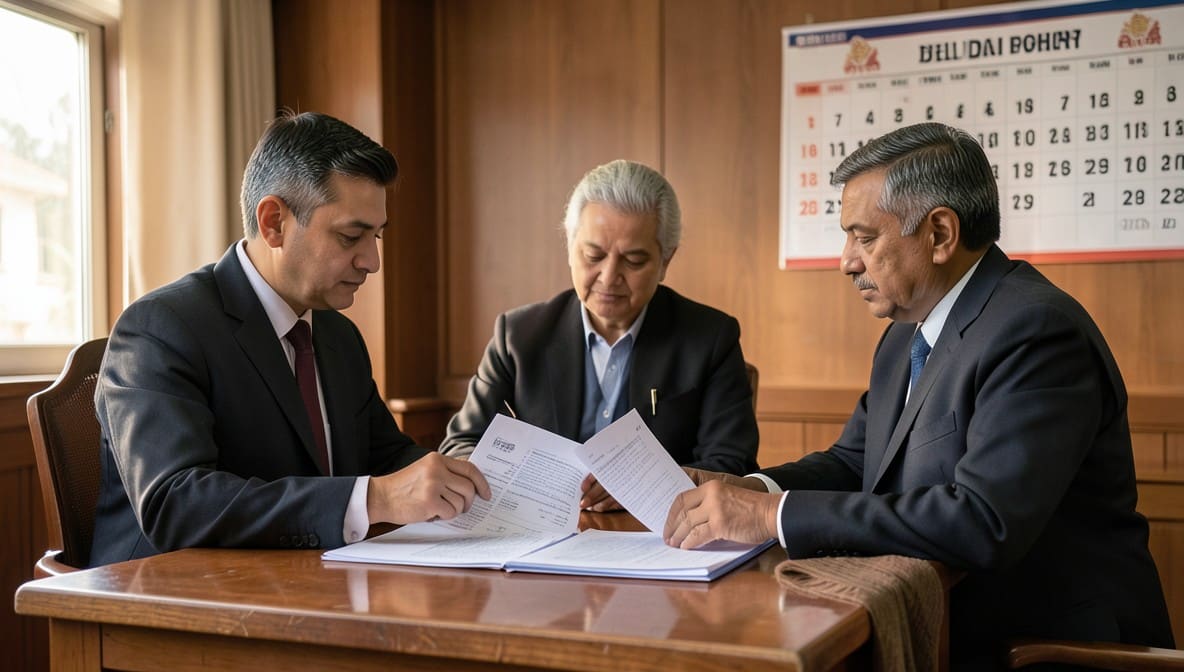
The Income Tax Appellate Tribunal, Delhi, has delivered a significant ruling on the application of Section 68 of the Income Tax Act to cash deposits made during the 2016 demonetization period. The judgment establishes that while unexplained cash inflows may attract scrutiny, automatic taxation without proper evaluation of business records and corroborative evidence violates fundamental principles of natural justice and statutory interpretation.
Background & Facts
The Dispute
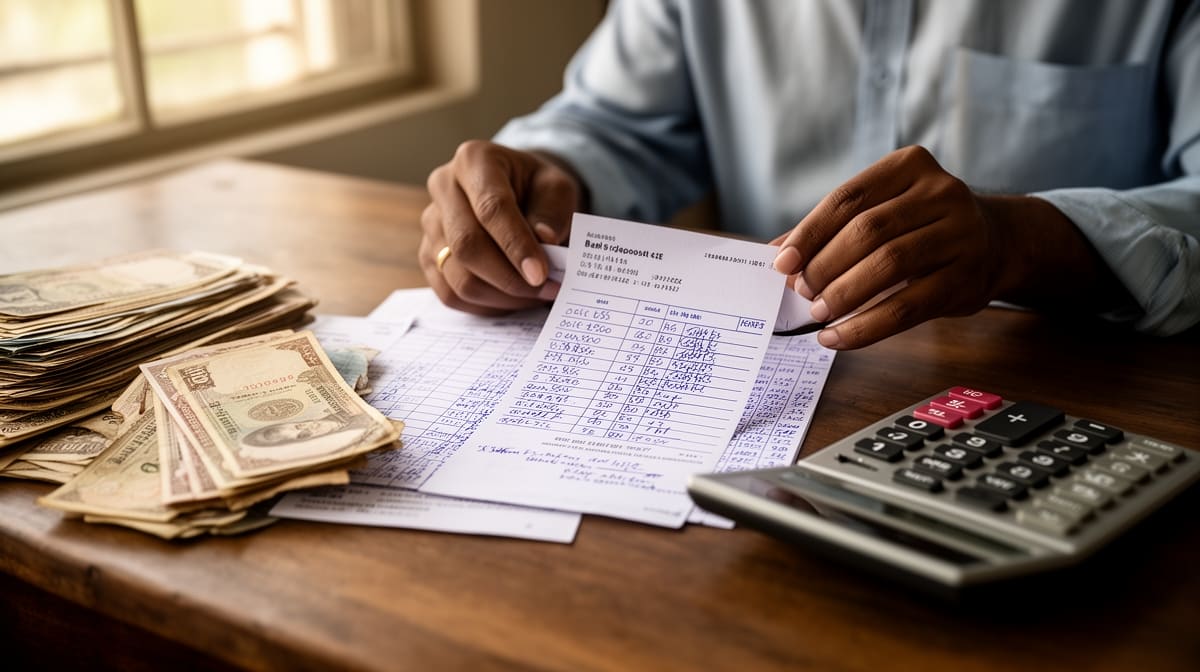
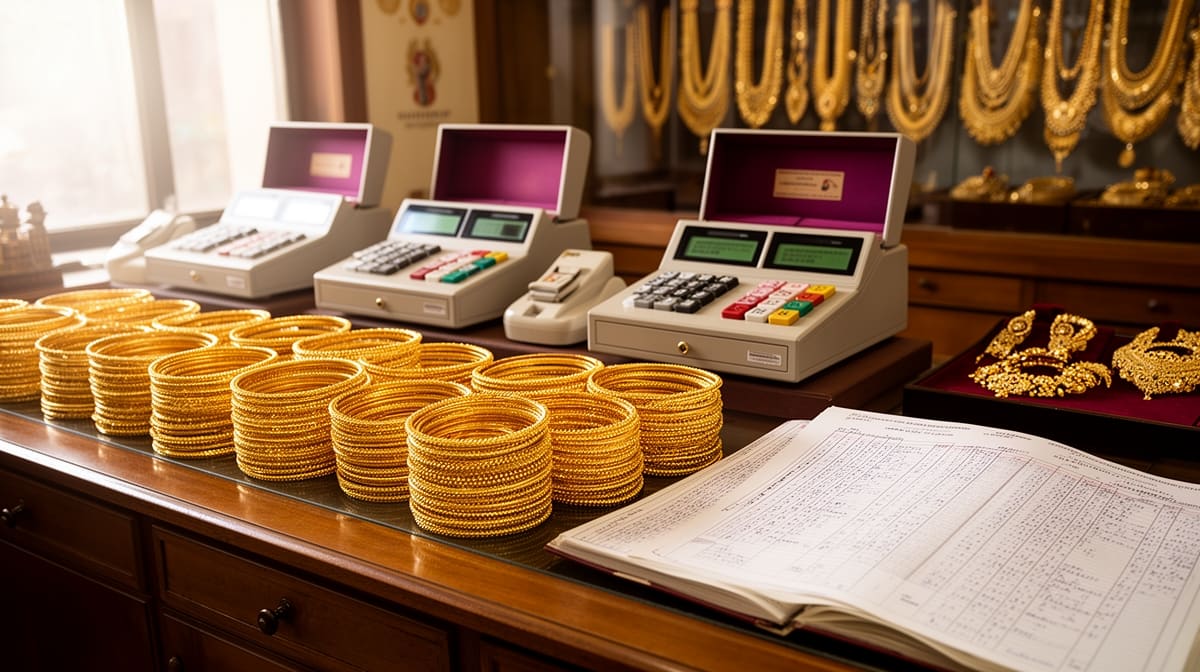
The assessee, a jeweller based in Delhi, deposited ₹2.27 crore in cash into his bank account during the demonetization period (November 2016 to March 2017). The Assessing Officer (AO) treated this amount as unexplained income under Section 68 of the Income Tax Act, 1961, and further applied the higher tax rate under Section 115BBE, citing the absence of proper documentation to substantiate the source as cash sales.
Procedural History
- Assessment Year 2017-18: AO made an addition of ₹2.27 crore under Section 68, treating it as unexplained cash credit.
- CIT(A) Order dated 08.07.2025: Upheld the AO’s addition, finding the assessee’s explanation inadequate.
- Appeal to ITAT Delhi: Filed by the assessee challenging both the quantum of addition and the applicability of Section 115BBE.
Relief Sought
The assessee sought deletion of the entire addition under Section 68, arguing that his books of account and stock registers were maintained regularly and reflected genuine cash sales. He also challenged the application of Section 115BBE, contending it was not applicable to transactions occurring before April 1, 2017.
The Legal Issue
The central question was whether Section 68 permits automatic taxation of cash deposits during demonetization solely on the basis of surmise, without rejecting the assessee’s books of account or requiring a meaningful evaluation of corroborative evidence. Additionally, whether Section 115BBE applies to cash deposits made prior to April 1, 2017.
Arguments Presented
For the Appellant
The assessee’s counsel argued that the AO failed to discharge the burden of disproving the source of funds. The assessee had submitted: (i) daily cash sales registers, (ii) purchase bills for raw gold, (iii) bank statements showing consistent cash inflows over prior years, and (iv) witness affidavits from customers. Reliance was placed on CIT v. M/s. S. R. R. & Co. and CIT v. M/s. R. K. Jewellers, where courts held that Section 68 cannot be invoked merely because the source appears unusual; the burden shifts to the Revenue to disprove the explanation if it is prima facie plausible.
For the Respondent
The Department contended that the scale of deposit - ₹2.27 crore - was disproportionate to the assessee’s declared turnover and that the absence of digital transaction records during demonetization raised suspicion. It relied on CIT v. Smt. S. K. Gupta, where the Delhi High Court upheld additions under Section 68 where explanations lacked documentary corroboration. The Department argued that the CIT(A) had rightly applied the principle that large cash deposits during demonetization warrant strict scrutiny.
The Court's Analysis
The Tribunal rejected both the Revenue’s blanket suspicion and the assessee’s claim of complete innocence. It emphasized that Section 68 does not create a presumption of unexplained income; rather, it places a burden on the assessee to explain the nature and source of credits. The Court noted that while the assessee had provided a plausible explanation - cash sales in a cash-intensive business like jewellery - the AO had not examined the reasonableness of the sales volume or cross-verified with purchase records.
"The assessee’s explanation, though not flawless, cannot be dismissed as wholly improbable. The Revenue’s failure to rebut with specific evidence of inflated sales or fictitious transactions renders the entire addition unsustainable."
The Tribunal further held that the application of Section 115BBE was legally untenable. It relied on the Madras High Court’s decision in S.M.I.L.E. Microfinance Ltd. v. ACIT, which clarified that Section 115BBE applies only to income arising on or after April 1, 2017. Since the deposits were made between November 2016 and March 2017, the higher tax rate could not be applied.
The Court adopted a balanced approach: while the assessee’s explanation was partially credible, the scale of deposits warranted a modest adjustment to account for unverified portions. A lump-sum addition of ₹10 lakh was deemed fair, with explicit direction that it not be treated as precedent.
The Verdict
The assessee prevailed on both key issues. The ITAT held that Section 68 cannot be applied mechanically to demonetization-era cash deposits without evaluating corroborative evidence, and Section 115BBE is inapplicable to transactions predating April 1, 2017. The addition was reduced to ₹10 lakh, and the higher tax rate was set aside.
What This Means For Similar Cases
Explanation Must Be Reasonable, Not Perfect
- Practitioners must now argue that Section 68 requires a reasonable explanation, not an impeccable one. Courts will not demand documentary perfection in cash-intensive businesses.
- Maintain contemporaneous records: daily sales registers, customer acknowledgments, and purchase ledgers are critical to rebut surmises.
- If the Revenue fails to disprove the explanation with specific evidence, the entire addition may be deleted.
Section 115BBE Has a Clear Cut-Off Date
- Section 115BBE applies only to income arising on or after April 1, 2017. Deposits made during demonetization (Nov 2016 - Mar 2017) must be taxed under normal rates.
- Any assessment applying 115BBE to pre-2017 deposits is legally invalid and subject to challenge.
- Taxpayers should raise this as a preliminary objection in appeals and writ petitions.
Lump-Sum Adjustments Are Permissible But Not Precedential
- Tribunals may make partial additions where partial explanation is accepted, but such adjustments must be clearly marked as non-precedential.
- Practitioners should request explicit language in orders stating that the adjustment is a "compromise" or "equitable relief" to prevent future misuse.