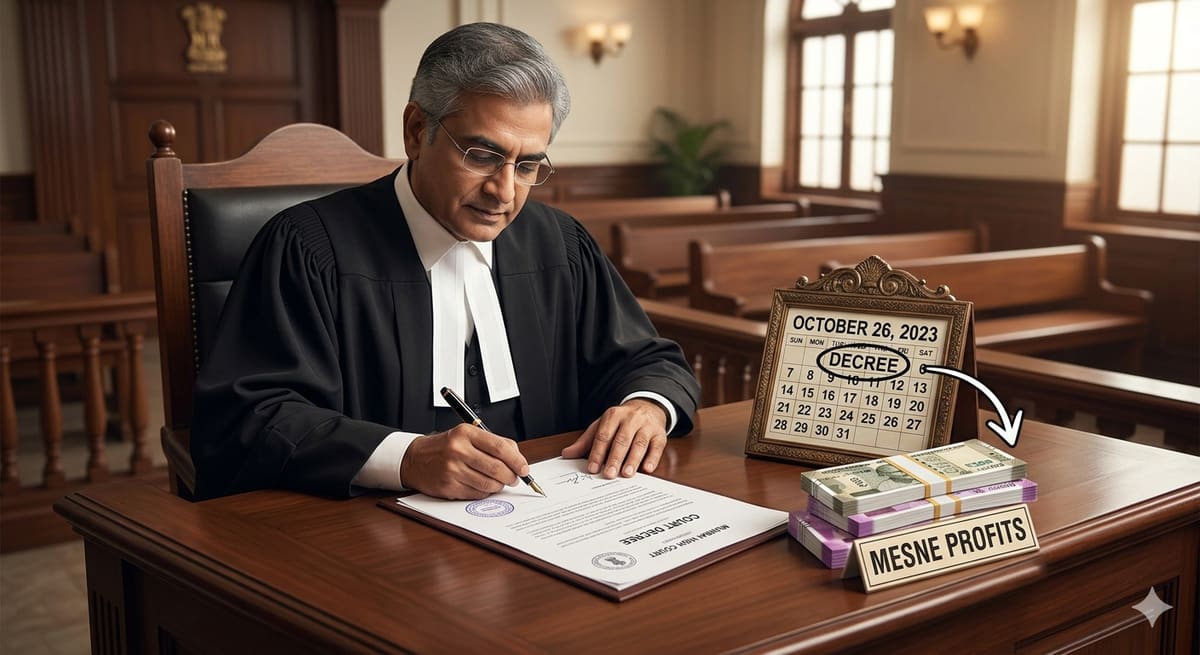
The Delhi High Court dismissed a rent appeal, holding that a rent agreement cannot be proved merely by notarisation; the plaintiff must prove the defendant's signature under Section 67 of the Evidence Act. The Court upheld the trial court’s decree for arrears of rent and mesne profits, finding that the defendant’s own admissions established a tenancy at Rs.25,500 per month with a 10% annual increase, and that mesne profits could be assessed on the basis of judicial notice of rent increase in urban areas.
Background & Facts
The Dispute
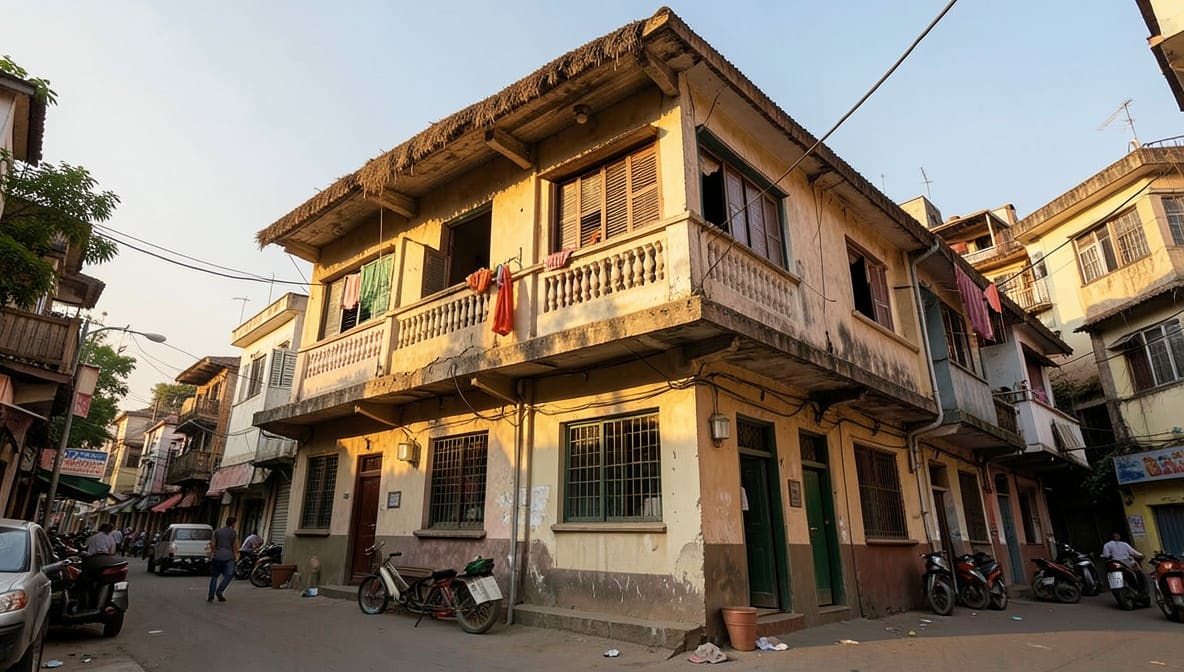
The plaintiffs, Madhu Chawla and Sanjay Chawla, filed a suit for recovery of possession of a shop premises, arrears of rent, mesne profits, damages and electricity charges against the defendant, Siddhant Mendiratta, who was alleged to be a tenant refusing to vacate after the expiry of the tenancy period. The suit was filed as CS DJ ADJ 803/2019.
Key Facts
- The plaintiffs let out the suit shop admeasuring 238.38 sq. feet to the defendant as a tenant in 2014 at a monthly rent of Rs.25,500, excluding water and electricity charges.
- The defendant admitted that he had taken the premises on rent in the year 2014 at Rs.25,500 per month with an agreed annual increase of 10%.
- Between November 2016 and March 2017, the defendant claimed to have paid Rs.10,00,000 towards the mortgage of the suit property, but failed to prove the payment.
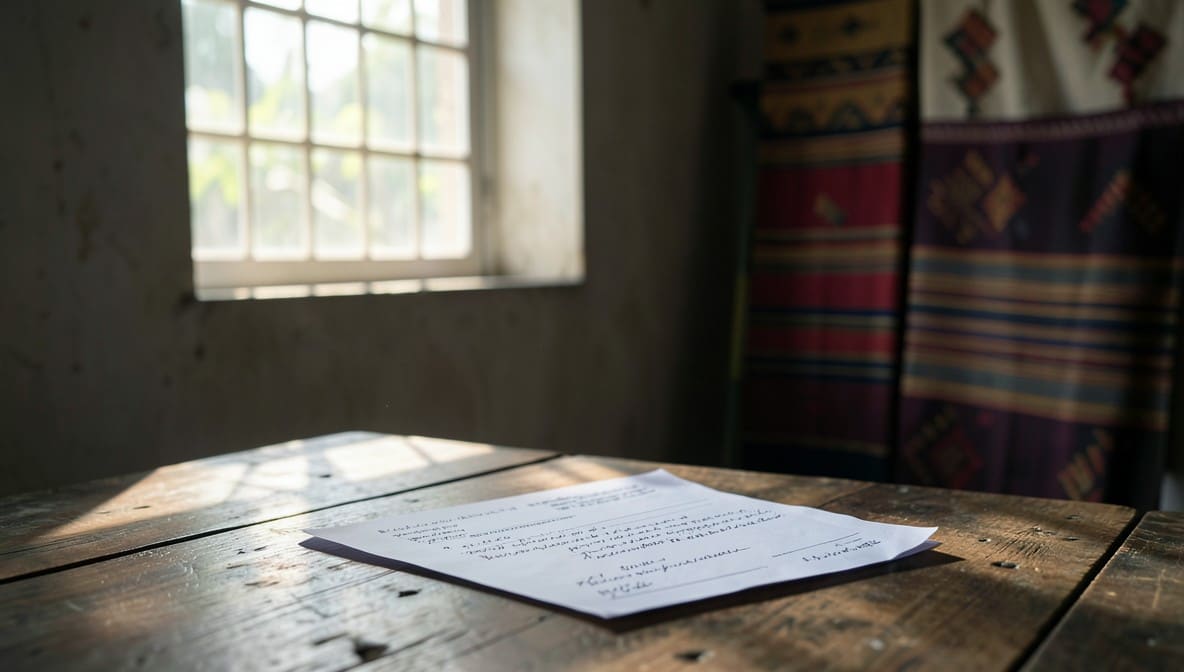
- A fresh Rent Agreement was executed on 22.08.2018 (Ex.PW-1/5) for a period of 11 months from 01.09.2018 to 31.07.2019, stipulating a rent of Rs.29,000 per month (though the agreement was stated to be for five years).
- The plaintiffs served a Legal Notice dated 07.09.2019 upon the defendant, terminating the tenancy and seeking vacant possession within seven days.
- The defendant’s reply to the notice was received by the plaintiffs on 23.09.2019.
- The plaintiffs alleged that the defendant had not paid rent for the months of July, August and September 2019, amounting to Rs.87,000.
- The plaintiffs also claimed mesne profits/damages at Rs.2,000 per day w.e.f. 17.09.2019 till possession was handed over, and arrears of electricity charges.
- The defendant denied executing the Rent Agreement of 22.08.2018, asserting that his signature was forged, and claimed that the rent was only Rs.2,900 per month as building maintenance charges payable to the builder.
- The Rent Agreement dated 24.04.2014 (Ex.PW-1/12) was exhibited, showing a rent of Rs.25,500 per month.
- The defendant admitted execution of rent agreements in 2015, 2017 and 2018, each for 11 months, though he denied his signature on the 2018 agreement.
- The Notary Public, DW-4, identified his signature on the Rent Agreement of 22.08.2018 but later issued contradictory certificates dated 26.09.2022 and 22.08.2023 regarding notarisation.
- The trial court, on 23.04.2026, decreed recovery of possession, arrears of rent Rs.87,000, mesne profits at Rs.25,500 per month with a 15% increase every three years for unauthorised occupation, and damages @ Rs.2,000 per day from 17.09.2019.
Procedural History
- 2014: Defendant inducted as tenant at Rs.25,500 per month with 10% annual increase.
- November 2016 - March 2017: Defendant alleges payment of Rs.10,00,000 towards mortgage.
- 22.08.2018: Execution of Rent Agreement (Ex.PW-1/5) for 11 months from 01.09.2018 to 31.07.2019.
- 01.09.2018: Commencement of tenancy under the 2018 agreement.
- 31.07.2019: Expiry of the tenancy period per the 2018 agreement.
- 07.09.2019: Legal Notice served by plaintiffs seeking vacant possession within seven days.
- 23.09.2019: Defendant’s reply received by plaintiffs.
- July - September 2019: Alleged non-payment of rent for three months.
- Suit filed: CS DJ ADJ 803/2019 (exact date not specified, but after the notice).
- 23.04.2026: Trial court judgment and decree granting possession, arrears of rent, mesne profits and damages.
- After 23.04.2026: Defendant filed the present Regular First Appeal (RFA 1008/2026).
- 28 September 2026: High Court judgment pronounced, dismissing the appeal.
Relief Sought
The plaintiffs sought:
- Recovery of possession of the suit premises.
- Arrears of rent for July - September 2019 amounting to Rs.87,000.
- Mesne profits/damages at Rs.2,000 per day from 17.09.2019 till possession handed over.
- Arrears of electricity charges.
- Interest on the aforesaid amounts at such rate as the court deem fit.
- Costs of the suit.
The Legal Issue
The central question was whether the trial court correctly relied upon the Rent Agreement dated 22.08.2018 to determine the rent and mesne profits, despite the defendant’s denial of signature and the agreement’s lack of registration, and whether the burden of proof lay on the plaintiffs to establish the execution and genuineness of the document under Section 67 of the Indian Evidence Act, 1872.
Arguments Presented
For the Appellant
The appellant contended that the Rent Agreement Ex.PW-1/5 was not executed by him; his signature was forged and fabricated. He argued that mere notarisation by DW-4 does not prove execution under Section 67 of the Evidence Act, and that the plaintiffs failed to produce any cogent evidence of his signature or handwriting. He further submitted that the agreement is unregistered under Section 17(1)(d) of the Registration Act, 1908, and therefore inadmissible to prove the terms of the lease or the rent. The appellant also challenged the award of mesne profits, asserting that there was no evidence that the market rent increases by 15% every three years, and that the trial court erred in treating his failure to prove payment of Rs.10,00,000 as proof of the plaintiffs’ case.
For the Respondent
The respondents submitted that the Rent Agreement was proved by the defendant’s own admissions: he admitted having taken the premises on rent since 2014 at Rs.25,500 per month with a 10% annual increase, and admitted the execution of rent agreements in 2015, 2017 and 2018. They argued that the plaintiffs had produced the agreement (Ex.PW-1/5) and that the defendant’s denial of signature was untenable in view of his admissions. The respondents maintained that the trial court correctly assessed mesne profits on the basis of judicial notice of rent increase in urban areas under Sections 114 and 57 of the Evidence Act, and that the defendant’s failure to prove payment of Rs.10,00,000 did not shift the burden of proof.
The Court's Analysis
The Court began by noting that the suit was for recovery of possession, arrears of rent, mesne profits and damages. It observed that the plaintiffs had relied on the Rent Agreement dated 22.08.2018 to claim a higher rent of Rs.29,000 per month, while the defendant denied executing the same.
The Court turned to Section 67 of the Indian Evidence Act, 1872, which requires that where a signature is alleged to have been made by a person, the signature must be proved to be in that person’s handwriting. The Court held:
"The mere fact that DW-4, the Notary Public, identified his own signature on the last page could, at best, relate to his own signature, and could not establish that the Appellant had signed the document and accepted its contents."
Thus, notarisation alone does not constitute proof of execution. The Court further noted that the Rent Agreement was unregistered, and under Section 17(1)(d) of the Registration Act, 1908, a lease for a term exceeding one year must be registered; an agreement stated to be for five years but actually for 11 months nevertheless falls within the ambit of registration requirements, and an unregistered document is inadmissible to prove the terms of the lease.
Nevertheless, the Court found that the plaintiffs had proved the tenancy and the rent through other evidence. The defendant himself admitted in cross-examination that he had been inducted into the suit premises in 2014 at a rent of Rs.25,500 per month with an agreed annual increase of 10%. PW-1 testified that the rent reflected in her income-tax returns was Rs.25,500 under the first agreement and enhanced to Rs.29,000 from 2018, which corroborated the defendant’s admission.
Regarding arrears of rent for July - September 2019, the Court held that the plaintiffs had proved non-payment for those three months, amounting to Rs.87,000, based on the admitted rent of Rs.25,500 per month.
On the question of mesne profits, the Court referred to its earlier judgments in M/s Sahara India v. M.C. Agrawal HUF and M/s Priya Exhibitors (P) Ltd. v. Oriental Bank of Commerce, where it was held that mesne profits recoverable against a tenant in unauthorised occupation are the amount the premises can fetch if let out on rent during the period of illegal occupation. The Court observed that where the landlord leads evidence of similar rents, mesne profits are assessed accordingly; in the absence of such evidence, the Court may take judicial notice of the increase of rent in urban areas under Sections 114 and 57 of the Evidence Act and award mesne profits at the last-paid contractual rent with an appropriate annual compounded enhancement. The Court found that an enhancement of 15% every three years was a reasonable judicial notice of rent increase in Delhi, and thus upheld the trial court’s award of mesne profits at Rs.25,500 per month with a 15% increase every three years for the period of unauthorised occupation.
The Court also noted that the trial court had correctly awarded damages @ Rs.2,000 per day from 17.09.2019, as the plaintiffs had proved the defendant’s unauthorised occupation and the consequent loss.
Finally, the Court held that the defendant’s failure to prove payment of Rs.10,00,000 towards mortgage did not relieve the plaintiffs of their burden to prove the tenancy and rent, which burden had been discharged by the defendant’s own admissions and the plaintiffs’ evidence.
Thus, finding no merit in the appeal, the Court dismissed the same.
The Verdict
The appeal was dismissed. The trial court’s decree for recovery of possession, arrears of rent of Rs.87,000 for the months July - September 2019, mesne profits at Rs.25,500 per month with a 15% increase every three years for the period of unauthorised occupation, and damages @ Rs.2,000 per day from 17.09.2019 till possession handed over, was upheld. No additional costs were awarded.
What This Means For Similar Cases
Burden of Proof on Plaintiff to Prove Execution of Document
- Under Section 67 of the Evidence Act, the plaintiff must prove the defendant’s signature or handwriting; mere notarisation is insufficient.
- Practitioners should produce handwriting expert evidence or other cogent proof of execution when relying on a document denied by the opposite party.
Unregistered Agreements Inadmissible to Prove Lease Terms
- A lease agreement that is required to be registered under the Registration Act, 1908, cannot be used in evidence to prove the rent or term if it remains unregistered.
- Even if the parties admit the agreement, the court may look to other evidence (such as admissions, payment records) to ascertain the actual rent.
Mesne Profits May Be Assessed on Judicial Notice of Rent Increase
- Where direct evidence of comparable rents is lacking, courts may take judicial notice of the general increase in rent in urban areas under Sections 114 and 57 of the Evidence Act.
- An enhancement of 15% every three years was held to be a reasonable basis for calculating mesne profits in Delhi, providing a practical benchmark for landlords seeking such relief.