The Punjab and Haryana High Court has clarified that mere confinement in a jail barrack where contraband is jointly recovered, without any personal recovery from an accused, does not justify indefinite custody under the stringent provisions of the NDPS Act. This ruling reinforces the principle that bail must be granted where the state fails to establish individual culpability, even in cases involving large-scale narcotics seizures.
Background & Facts
The Dispute
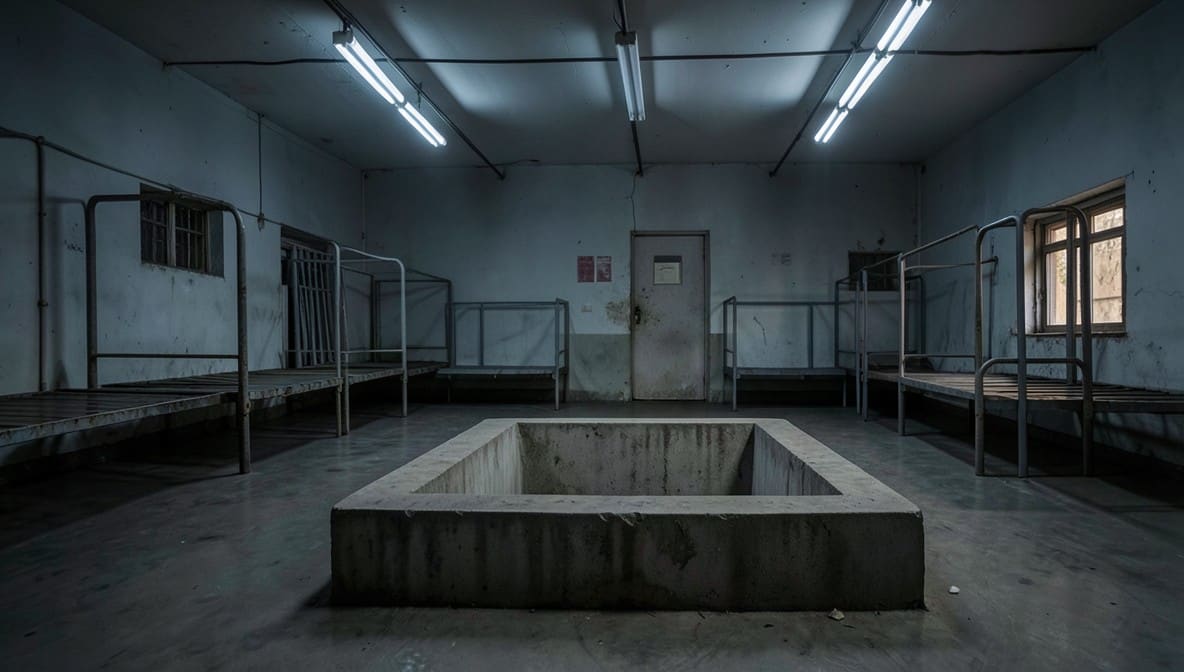
Three petitioners - Bharat Singh, Gurjant Singh @ Janta, and Palwinder Singh alias Bhinder, Arvinder Singh, Choohi - filed petitions seeking regular bail in connection with FIR No. 03 dated 03.01.2025, registered at Police Station Goindwal Sahib, District Tarn Taran, under Sections 18(b), 18(c), 20, 21(b), 21(c), 22(c), 28, 29 and 30 of the Narcotic Drugs and Psychotropic Substances (NDPS) Act, 1985, and Sections 42 and 52-A of the Prisons Act, 1894. The case arose from a joint recovery of narcotics and electronic contraband from a concealed pit in Barrack No. 5, Ward No. 6 of Central Jail, Goindwal Sahib.
Key Facts
- On 03.01.2025, between 12:30 PM and 01:40 PM, jail authorities conducted a search of Barrack No. 5, Ward No. 6, based on secret intelligence.
- A pit, constructed by inmates for resting, was broken open, yielding:
- 13 mobile phones (including VIVO, OPPO, REDMI, REALME, MOTOROLA)
- 6 AirPods, 16 earphones, 1 data cable, 3 mobile chargers, 9 yellow tapes, 2 white tapes
- 5,150 intoxicant tablets
- 218 grams of sulphate-like narcotic powder
- 102 grams of opium (including envelopes)
- 1,255 grams of heroin-like substance (including envelopes)
- No contraband was recovered from the personal search or possession of any individual accused.
- The recovery was joint, from a common area accessible to all 36 inmates lodged in the barrack.
- On 09.01.2025, six individuals, including the petitioners, were nominated as accused based on inmate lists and prior NDPS cases.
- A total of 31 additional co-accused were later added via DDR No. 33 dated 04.07.2025.
- The investigation was transferred from SSP Tarn Taran to the Anti-Narcotics Task Force (ANTF), then to ANTF Border Range, Amritsar, on 08.01.2025 and 28.01.2025 respectively.
- The Special Investigation Team (SIT) took over the case on 22.04.2025.
- Arrests of the petitioners occurred on 11.01.2025 (Palwinder Singh, Bharat Singh) and 11.08.2025 (Gurjant Singh), following production warrants issued by the Illaqa Magistrate, Khadur Sahib.
- The FSL report on the 13 recovered mobile phones is still awaited as of 30.12.2025.
- No evidence links any petitioner to calls made to external drug syndicates; calls were only to family members within the jail.
- The final report under Section 173(2) CrPC has been submitted.
Procedural History
- 03.01.2025: FIR No. 03 registered at PS Goindwal Sahib.
- 09.01.2025: First six accused nominated, including petitioners.
- 08.01.2025: Investigation transferred to ANTF.
- 28.01.2025: Investigation transferred to ANTF Border Range, Amritsar.
- 22.04.2025: SIT takes over case.
- 11.01.2025: Arrests of Bharat Singh and Palwinder Singh.
- 11.08.2025: Arrest of Gurjant Singh.
- 04.07.2025: DDR No. 33 adds 31 more accused.
- 12.11.2025: FSL request sent for mobile data.
- 30.12.2025: Reminder sent to State Cyber Crime, SAS Nagar.
- 31.10.2025: Co-accused Amolak Singh @ Anmol granted regular bail in CRM-M-50011-2025.
- 23.03.2026: Common bail order passed in CRM-M-55922-2025 and connected cases granting bail to similarly situated co-accused.
- 05.05.2026: Present petitions heard and decided.
The Parties' Positions
For the Petitioners:
- No contraband recovered from personal possession.
- Recovery was joint, from a common area.
- Investigation is complete; final report filed.
- No material links to external drug networks.
- Co-accused Amolak Singh was granted bail on identical facts.
- Continued detention is arbitrary and violates Article 21.
For the Respondent (State):
- Petitioners were present in the barrack where contraband was found.
- Section 37 NDPS Act imposes strict conditions for bail.
- Custody certificates show prior convictions and pending cases.
- Public interest demands strict enforcement of NDPS Act.
Relief Sought
The petitioners sought regular bail in FIR No. 03/2025, arguing that their continued custody is unjustified in the absence of personal recovery or evidence of individual involvement.
The Legal Issue
Can an accused be denied regular bail under Section 37 of the NDPS Act solely on the basis of being present in a shared jail space where contraband was jointly recovered, when no incriminating material was found in their personal possession and the investigation is complete?
Arguments Presented
For the Petitioner
Learned counsel relied on the Court’s own order dated 23.03.2026 in CRM-M-55922-2025 and the bail order dated 31.10.2025 in CRM-M-50011-2025, where co-accused Amolak Singh @ Anmol was granted regular bail on identical facts: joint recovery from a common pit, no personal recovery, investigation complete, and no link to external syndicates. Counsel argued that the rigours of Section 37 of the NDPS Act must be applied with proportionality and that the absence of individualized evidence negates the justification for continued custody. The principle of equality before law under Article 14 mandates consistent treatment of similarly situated accused.
For the Respondent
The State did not contest the factual similarity with the earlier bail orders. It produced custody certificates showing prior convictions and pending cases but conceded that no contraband was recovered from the personal search of the petitioners. The State acknowledged that the applicability of Section 37 NDPS Act must be assessed in light of the Court’s prior reasoning in CRM-M-55922-2025, and did not oppose bail on substantive grounds.
The Court's Analysis
The Court undertook a rigorous analysis of the factual matrix and the legal framework under Section 37 of the NDPS Act, which mandates that bail shall not be granted unless the court is satisfied that there are reasonable grounds for believing the accused is not guilty and that he is not likely to commit any offence while on bail. The Court emphasized that the rigours of Section 37 are not absolute and must yield to the principle of proportionality when the state fails to establish individual culpability.
"No narcotic contraband has been recovered from the personal search of any of the petitioners. The recovery pertains to a common area accessible to all inmates lodged in the said barrack."
The Court noted that the investigation is complete, the final report under Section 173(2) CrPC has been filed, and the petitioners are not required for any further investigative steps. The Court distinguished this case from those involving personal possession, active trafficking, or links to organized crime. It observed that the mere fact of incarceration in a barrack where contraband was found cannot, without more, satisfy the threshold for denying bail under Section 37.
The Court further relied on its own precedent in CRM-M-55922-2025, where bail was granted to co-accused under identical circumstances. Denying bail to the petitioners while granting it to others in the same case would violate the doctrine of stare decisis and the constitutional guarantee of equal protection under Article 14.
The Court also clarified that while the petitioners have prior convictions and are serving sentences in other cases, their custody in the present case cannot be deemed to have commenced until those sentences are suspended or completed. Indefinite detention in the present case, without individualized evidence, would amount to punitive pre-trial incarceration.
The Verdict
The petitioners succeeded. The Court granted regular bail to all three petitioners - Bharat Singh, Gurjant Singh @ Janta, and Palwinder Singh alias Bhinder - in FIR No. 03/2025. They are ordered to be released on bail upon furnishing bail/surety bonds to the satisfaction of the trial court, provided no other case requires their custody. The Court explicitly held that their custody period in this case shall not be counted until their sentences in other cases are suspended or completed. The trial court is directed to decide the case expeditiously on the basis of evidence, without being influenced by this order.
What This Means For Similar Cases
Joint Recovery Alone Cannot Justify Denial of Bail
- Practitioners must argue that Section 37 NDPS Act does not permit blanket denial of bail where recovery is collective and no personal possession is established.
- Bail applications must highlight the absence of individualized evidence, completion of investigation, and prior bail grants to co-accused.
- Courts must apply the principle of proportionality and avoid treating all inmates in a shared space as equally culpable.
Precedent Is Binding in Identical Fact Patterns
- When a court grants bail to one accused under specific factual conditions, it is bound to extend the same relief to others in the same case with identical circumstances.
- Failure to do so invites challenges under Article 14 and undermines judicial consistency.
- Counsel should cite prior bail orders in the same court as binding precedent.
Custody Period in Pending Cases Must Be Separately Calculated
- Time spent in custody for one case cannot be merged with time served in other cases unless explicitly ordered.
- Courts must clarify whether custody in the current case commences only after prior sentences are discharged or suspended.
- This prevents indefinite detention under multiple pending charges without judicial review.